The New Guard of Contemporary Art
Why 2026 Is a Breakthrough Year for Fresh Talent
The landscape of contemporary art is shifting and 2026 is proving to be a defining moment. A new wave of artists is rising, bringing bold vision, experimental practices, and cultural narratives that resonate on a global scale. These creators aren’t just entering the conversation they’re helping to rewrite it.
Here’s what’s making 2026 so pivotal:
Generational Shift: Emerging artists are stepping into influence as older generations of creators, curators, and collectors begin to transition.
Untapped Voices: Artists from underrepresented regions and communities are stepping onto major stages for the first time.
Audience Evolution: Younger collectors and digital native curators now prioritize authenticity, context, and risk taking over tradition.
The Market Is Listening
There’s been a noticeable pivot in the art world’s priorities. Across auctions, exhibitions, and residencies, institutions are searching for fresh energy and original voices.
Museums are programming edgier group shows and newly commissioning site specific works from lesser known names.
Collectors are investing earlier in careers, taking calculated risks on artists with strong conceptual hooks.
Curators are looking beyond the obvious turning to emerging art blogs, social platforms, and independent spaces for talent scouts.
What Sets These Artists Apart
This year’s standout talents aren’t rising by accident. They share a few key traits that signal long term promise:
Distinct Vision: Each artist leads with a clear point of view whether personal, political, or poetic.
Innovative Use of Medium: From textiles to corrupted code and immersive AI, 2026’s new wave reshapes how media becomes meaning.
A Message That Resonates: Their work doesn’t just look good it provokes conversation, emotion, and reflection.
In short, the future of contemporary art isn’t just approaching it’s arriving. And these emerging artists are at the forefront.
Layla Moreno Reconstructing Memory Through Textiles
Layla Moreno doesn’t shout. Her work does it for her. A Brooklyn based textile artist with a background in archival studies, she pieces together fragments of found fabric and family photographs like a silent historian threading together lost time. The result: quilts and wall pieces that feel intimate, weathered, and grounded.
At first glance, it’s soft work cotton, linen, lace but look closer and the weight hits. Migration, inheritance, forgotten addresses, maternal voices it’s all in there. Her materials are sourced from flea markets, estate sales, and storage bins, often stitched beside decade old Polaroids or typewritten letters. There’s nothing flashy about it, but it cuts deep.
In 2026, Moreno was featured in two major group exhibitions: one centered on contemporary diasporic art, the other tackling memory in American material culture. Her work stood out. Not because it tried to, but because it refused to pander. Collectors are finally paying attention and not just for the aesthetics. It’s her ability to make place feel like personhood that hits a nerve. She’s not just showing us where she came from. She’s asking where we all belong.
Hiro Tanaka Sound & Sculpture Hybrid Installations
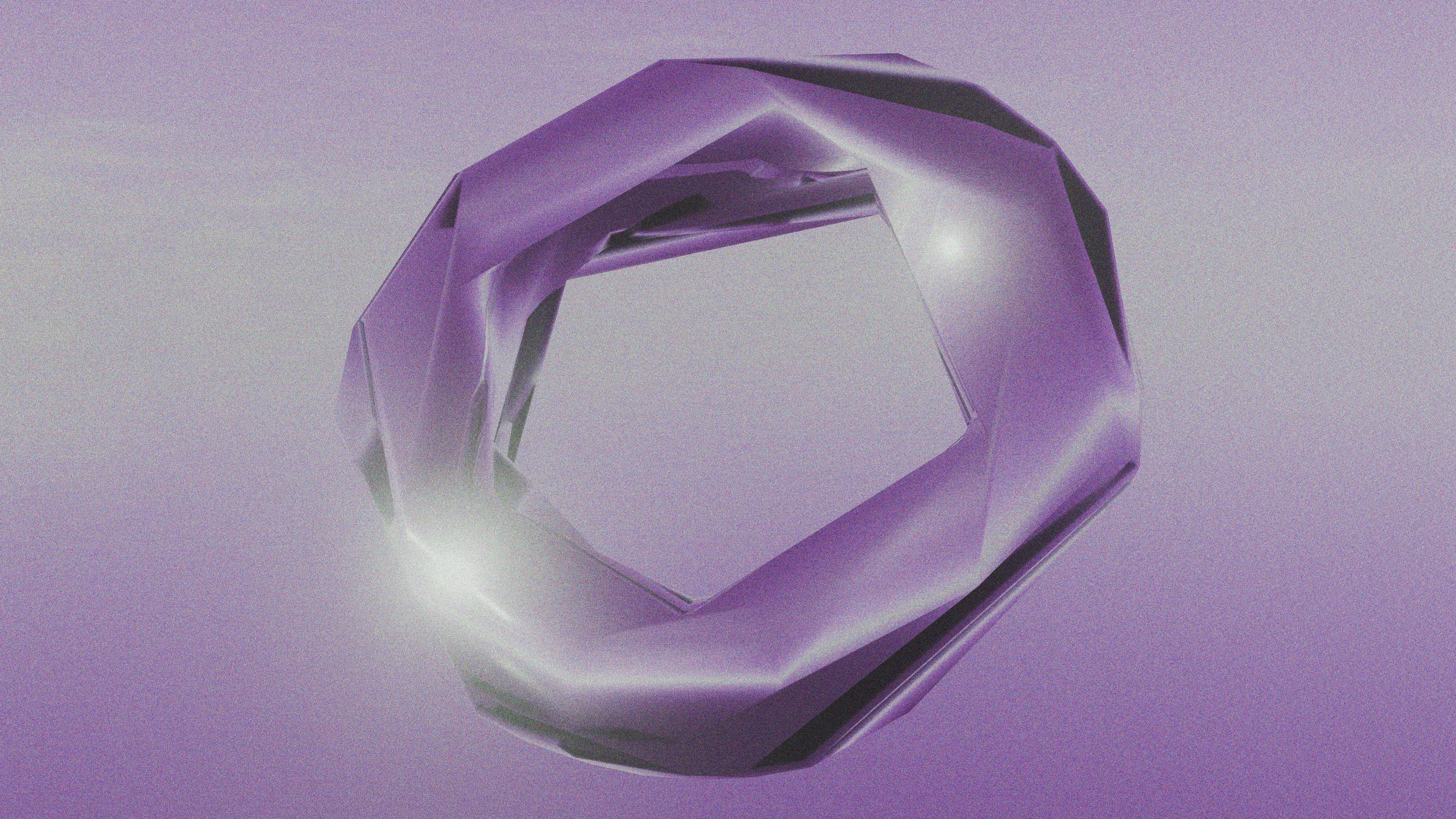
Hiro Tanaka doesn’t just make art you feel it in your chest. Based in Tokyo, Tanaka is merging sound and sculpture in ways that push installation work into new territory. His large scale pieces channel low frequency audio into physical structures that hum, shake, and pull you in. Think sub bass translated into sculptural language. Minimalist in appearance, maximalist in sensation.
What looks like a clean, quiet room becomes an active field of vibration. Concrete blocks, polished metal, and tensioned wires become conduits for sonic energy. Audiences don’t watch these works they’re inside them. It’s immersive without gimmick, physical without overwhelming.
Part installation, part performance, Tanaka’s work is about presence. The moment. Paying attention to space, silence, and resonance. He’s not just adding sound to sculpture he’s engineering full body encounters that linger long after the vibration fades.
Learn more about how Tanaka fuses concept and craft in this interview with a sculptor.
Nia Fields Digital Error as Aesthetic
Nia Fields doesn’t chase clean lines or algorithm flavored polish. Born and raised in London, she leans into digital decay weaponizing corrupted code, screen glitches, and dead pixels to craft painterly images that refuse perfection. Her canvases aren’t smooth; they shudder, flicker, and bend reality. In an age obsessed with polished AI outputs, Fields’ art feels like hardware breaking and somehow becoming more human in the process.
She calls it ‘machine entropy made visible.’ Critics are calling it the first true pushback to façades created by generative tools. Her work has already been picked up by two major European digital art festivals this year one in Berlin, the other in Rotterdam and she’s not slowing down.
She’s not trying to fix the machine. She’s showing us what happens when it cracks and how beauty escapes through the fractures.
Kamal Bedi 35mm Revivalist Redefining Documentary
In the chaos of Mumbai, Kamal Bedi finds rhythm. A filmmaker by training, he made the unexpected leap into still photography except he brought the filmmaker’s eye with him. His tool of choice? A battered 35mm camera and zero digital effects. No edits, no afterthoughts. Just raw moments, exactly as they happened.
Bedi’s work captures the everyday life of urban India without noise or spectacle. Rickshaw drivers pausing for chai. Street dogs basking in morning sun. Cracked facades holding generations of history. His strength lies in restraint. He doesn’t add drama it’s already there, if you bother to look closely.
His debut solo show, “Dust & Data,” was a stripped down rebellion against the hyper processed world of digital visuals. It sold out in under 48 hours. No PR machine, no influencer push. Just work that hit people where it mattered. Not flashy. Just real.
Zoë Chen AI Trained on Poetry, Not Data
A New Kind of Technological Collaboration
Based in San Francisco, Zoë Chen is an immersive artist breaking traditional boundaries between technology and emotion. Rather than training artificial intelligence tools on standard datasets like images or speech, Chen designs systems that learn from literature, poetry, and the nuances of human feeling.
Focuses on inputting emotional and literary forms into AI models
Creates abstract expressions driven by sentiment rather than statistics
Challenges mainstream assumptions of what AI generated art can be
Art That Feels Before It Functions
By prioritizing emotional depth over conventional accuracy, Chen’s work invites viewers to experience technology as a collaborator not just a tool. Her artistic process raises new questions:
What happens when machines learn to create based on empathy?
Can an algorithm understand grief, joy, or longing?
Where is the line between author and assistant in machine enhanced art?
Redefining the AI/Artist Relationship
Chen isn’t just using tech she’s reframing it. In her projects, machine learning isn’t about automation or replication, but about augmenting the expressive potential of human creativity. Her installations offer a powerful argument for the future of art: interdisciplinary, emotionally intelligent, and deeply collaborative.
Selected for multiple new media residencies in 2026
Work featured in panels discussing the ethics and poetics of AI
Rapidly building a presence in both art and tech circles
Keep Your Eye on Them
They may not be household names yet. But these five artists are lighting the kind of creative sparks that don’t fade; they start wildfires. Each one is redefining what narrative, media, and meaning can look like in 2026. Whether it’s through analog film, immersive vibration, or emotionally tuned AI, they’re carving paths that others will soon follow. Fast forward a few months and you’ll see their work in more galleries, on more feeds, and in more conversations than you thought possible.
If you’re a collector looking for early bets, a curator tracking fresh angles, or just a fan of boundary pushing art, now’s the time to pay attention. These artists are still within reach but by the end of the year, they’ll be shaping the narrative everyone else is trying to catch up to.

 Ask Gabrielo Bradfordsicker how they got into artist spotlights and interviews and you'll probably get a longer answer than you expected. The short version: Gabrielo started doing it, got genuinely hooked, and at some point realized they had accumulated enough hard-won knowledge that it would be a waste not to share it. So they started writing.
What makes Gabrielo worth reading is that they skips the obvious stuff. Nobody needs another surface-level take on Artist Spotlights and Interviews, Exhibition Announcements and Reviews, Art Gallery News. What readers actually want is the nuance — the part that only becomes clear after you've made a few mistakes and figured out why. That's the territory Gabrielo operates in. The writing is direct, occasionally blunt, and always built around what's actually true rather than what sounds good in an article. They has little patience for filler, which means they's pieces tend to be denser with real information than the average post on the same subject.
Gabrielo doesn't write to impress anyone. They writes because they has things to say that they genuinely thinks people should hear. That motivation — basic as it sounds — produces something noticeably different from content written for clicks or word count. Readers pick up on it. The comments on Gabrielo's work tend to reflect that.
Ask Gabrielo Bradfordsicker how they got into artist spotlights and interviews and you'll probably get a longer answer than you expected. The short version: Gabrielo started doing it, got genuinely hooked, and at some point realized they had accumulated enough hard-won knowledge that it would be a waste not to share it. So they started writing.
What makes Gabrielo worth reading is that they skips the obvious stuff. Nobody needs another surface-level take on Artist Spotlights and Interviews, Exhibition Announcements and Reviews, Art Gallery News. What readers actually want is the nuance — the part that only becomes clear after you've made a few mistakes and figured out why. That's the territory Gabrielo operates in. The writing is direct, occasionally blunt, and always built around what's actually true rather than what sounds good in an article. They has little patience for filler, which means they's pieces tend to be denser with real information than the average post on the same subject.
Gabrielo doesn't write to impress anyone. They writes because they has things to say that they genuinely thinks people should hear. That motivation — basic as it sounds — produces something noticeably different from content written for clicks or word count. Readers pick up on it. The comments on Gabrielo's work tend to reflect that.