
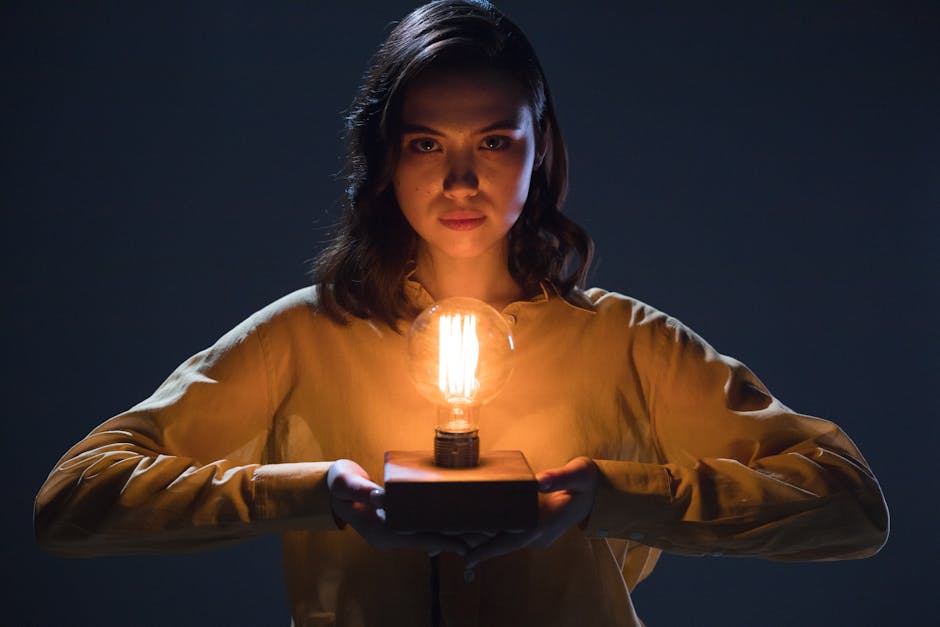
Abandoned Spaces
Old spaces carry weight. A rusted fence, scorched wallpaper, or busted window frame doesn’t beg for attention but it holds it. These ruins whisper stories without needing to shout. That’s where the inspiration lives.
When you step into an abandoned building or stumble across a crumbling warehouse, you’re walking into layers of silent history. Look closely: the color of oxidation, the pattern of erosion, the thick silence. They’re cues. Hints. Texture for your next visual project.
This isn’t about glamorizing decay it’s about using atmosphere. Let the strange emptiness guide your palette. Pull inspiration from tarnished metal, weathered wood, split plaster. Create something new from the forgotten. There’s power in seeing beauty where others see nothing.
Oral Histories and Family Archives
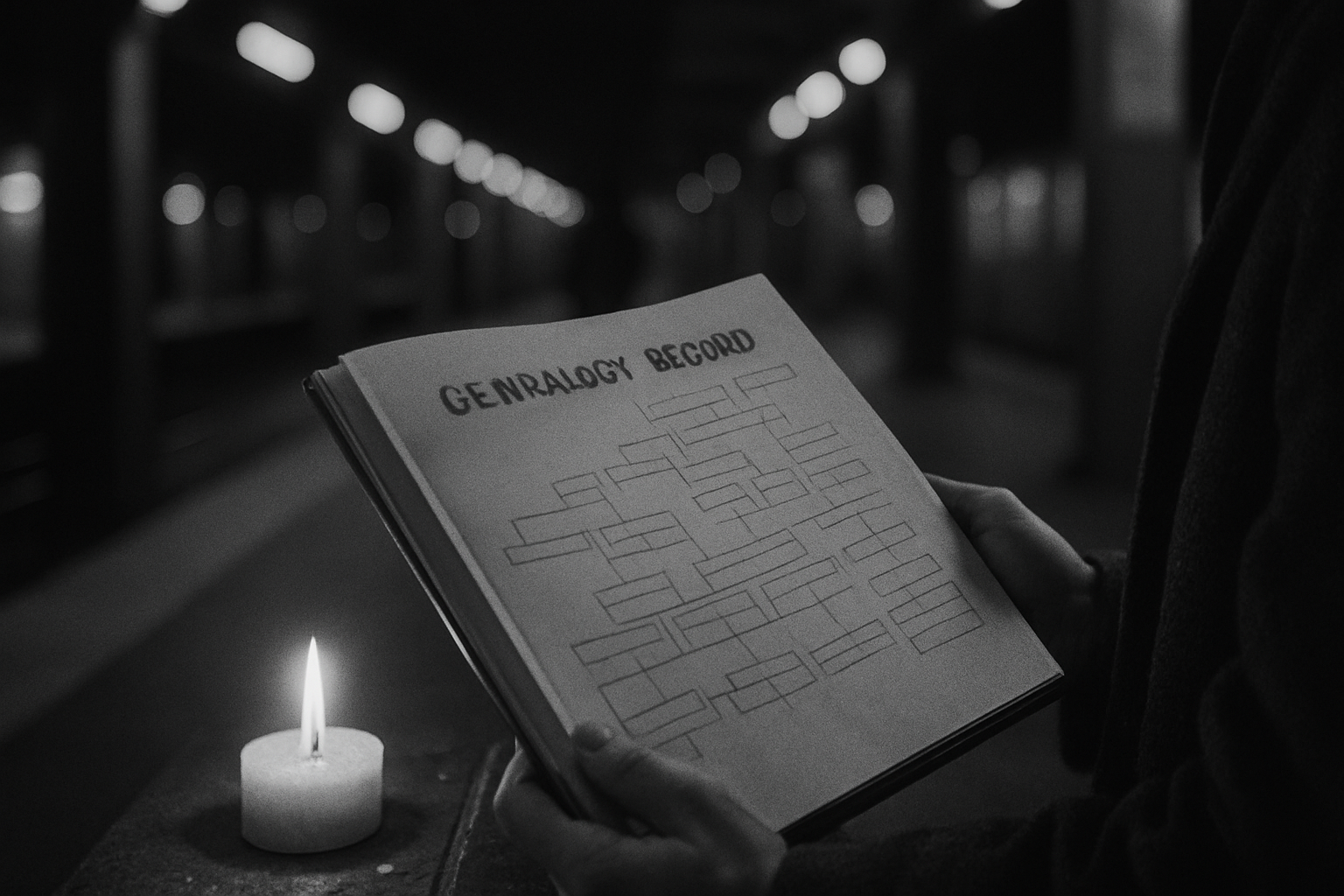
Mining the Past for Meaning
Sometimes the most powerful artistic fuel is already in your possession. Family heirlooms old photographs, handwritten letters, vintage recipe cards are more than nostalgia. They’re emotional time capsules.
These forgotten items often carry:
Faded handwriting that evokes a particular era or tone
Paper textures aged by touch and time
Sentimental narratives behind recipes or traditions
Visual Narratives Rooted in Memory
These archives aren’t just materials; they’re story prompts. A childhood birthday photo or a 1950s grocery list can inspire an entire series focused on memory, identity, or cultural legacy.
Try exploring:
Family photo albums as collage elements or palette references
Love letters or journal entries as layered mixed media backdrops
Recipes passed down generations, visually interpreted through abstract forms or still life
Why It Resonates with Viewers
Personal stories are universally felt. What’s unique to your family might stir familiarity in someone else. Incorporating these elements gives your work emotional weight that goes beyond aesthetics.
Digging into your own history is not looking backward it’s a way to ground your future work in authenticity and depth.
Scientific Diagrams and Data Visualizations
Science isn’t cold it’s structured. Medical illustrations, geological maps, and engineering schematics are filled with design choices: line weight, hierarchy, spacing, movement. These aren’t just tools for understanding they’re visual systems loaded with rhythm, scale, and balance.
Crack open a physics textbook or download a climate dataset and spend an hour sketching what you see, not copying it. Isolate a contour line, a particle path, or a grid layout. Flip it, scale it, layer it. These visuals carry an underlying logic that artists can harness for clarity and complexity.
This isn’t about making ‘science art.’ It’s about stealing architecture form, flow, and function and bending it into something new. Composition doesn’t always start with a blank canvas. Sometimes, it starts with a diagram meant for a lab coat.
Visual Journaling in Public Spaces
Bustling locations like train stations, airports, and food courts may not seem like creative havens, but they’re rich with unnoticed detail and fleeting emotion. Practicing visual journaling in these environments pushes your observational skills in unexpected ways.
What to Observe
Motion: Track the way people move hurried, hesitant, or rhythmic. Movement can inform style, form, and flow in your work.
Moments: Notice quiet interactions, solitary figures, or sudden gestures that tell a silent story.
Light: Study how artificial and natural light interact reflections, shadows, or flares can spark ideas for your compositions.
Why It Works
These transient spaces don’t give you time to overthink. You’re forced to draw quickly, look deeper, and stay present. This builds a sharp narrative instinct and a visual shorthand both powerful tools for any creative project.
Tips for On the Go Sketching
Keep a small journal or folded sketch paper in your bag.
Use pens or pencils that dry quickly and won’t smudge.
Record not just visuals, but also snippets of dialogue, overhead announcements, or your immediate feelings.
Explore this further in How Keeping a Visual Journal Can Boost Your Creativity
Spontaneity might feel uncomfortable at first, but it’s a gateway to unique and authentic artistic discoveries.
Dreams and Half Wake States
Inspiration From the In Between
Your best ideas often arrive when you’re not actively seeking them. In 2026, more creators are turning to the subtle, twilight moments between waking and sleep to spark their imaginations. These moments fleeting but vivid offer surreal, untamed imagery that’s hard to find during structured creative sessions.
Where Creativity Slips Through
Liminal moments can include:
Early morning recollections: Those first few seconds of semi conscious thought, when dreams linger
Pre sleep clarity: Brief mental flashes or imagery right before drifting off
Guided meditations: Visuals, movements, or sensations that arise during a quiet mind state
Interrupted dreams: Half remembered narratives or feelings pulled from sleep
Make It Immediate
To harness these moments effectively:
Keep a sketchbook or voice recorder by your bed
Jot down anything you recall no matter how fragmented or odd
Don’t overanalyze in the moment; capture first, interpret later
Over time, you’ll begin to spot patterns in colors, textures, themes, or emotions. These fragments can evolve into rich concepts, visual series, or entire bodies of work.
True artistic inspiration often emerges from the overlooked. Let your subconscious guide you you don’t always need a studio to begin creating.

 Ask Gabrielo Bradfordsicker how they got into artist spotlights and interviews and you'll probably get a longer answer than you expected. The short version: Gabrielo started doing it, got genuinely hooked, and at some point realized they had accumulated enough hard-won knowledge that it would be a waste not to share it. So they started writing.
What makes Gabrielo worth reading is that they skips the obvious stuff. Nobody needs another surface-level take on Artist Spotlights and Interviews, Exhibition Announcements and Reviews, Art Gallery News. What readers actually want is the nuance — the part that only becomes clear after you've made a few mistakes and figured out why. That's the territory Gabrielo operates in. The writing is direct, occasionally blunt, and always built around what's actually true rather than what sounds good in an article. They has little patience for filler, which means they's pieces tend to be denser with real information than the average post on the same subject.
Gabrielo doesn't write to impress anyone. They writes because they has things to say that they genuinely thinks people should hear. That motivation — basic as it sounds — produces something noticeably different from content written for clicks or word count. Readers pick up on it. The comments on Gabrielo's work tend to reflect that.
Ask Gabrielo Bradfordsicker how they got into artist spotlights and interviews and you'll probably get a longer answer than you expected. The short version: Gabrielo started doing it, got genuinely hooked, and at some point realized they had accumulated enough hard-won knowledge that it would be a waste not to share it. So they started writing.
What makes Gabrielo worth reading is that they skips the obvious stuff. Nobody needs another surface-level take on Artist Spotlights and Interviews, Exhibition Announcements and Reviews, Art Gallery News. What readers actually want is the nuance — the part that only becomes clear after you've made a few mistakes and figured out why. That's the territory Gabrielo operates in. The writing is direct, occasionally blunt, and always built around what's actually true rather than what sounds good in an article. They has little patience for filler, which means they's pieces tend to be denser with real information than the average post on the same subject.
Gabrielo doesn't write to impress anyone. They writes because they has things to say that they genuinely thinks people should hear. That motivation — basic as it sounds — produces something noticeably different from content written for clicks or word count. Readers pick up on it. The comments on Gabrielo's work tend to reflect that.