
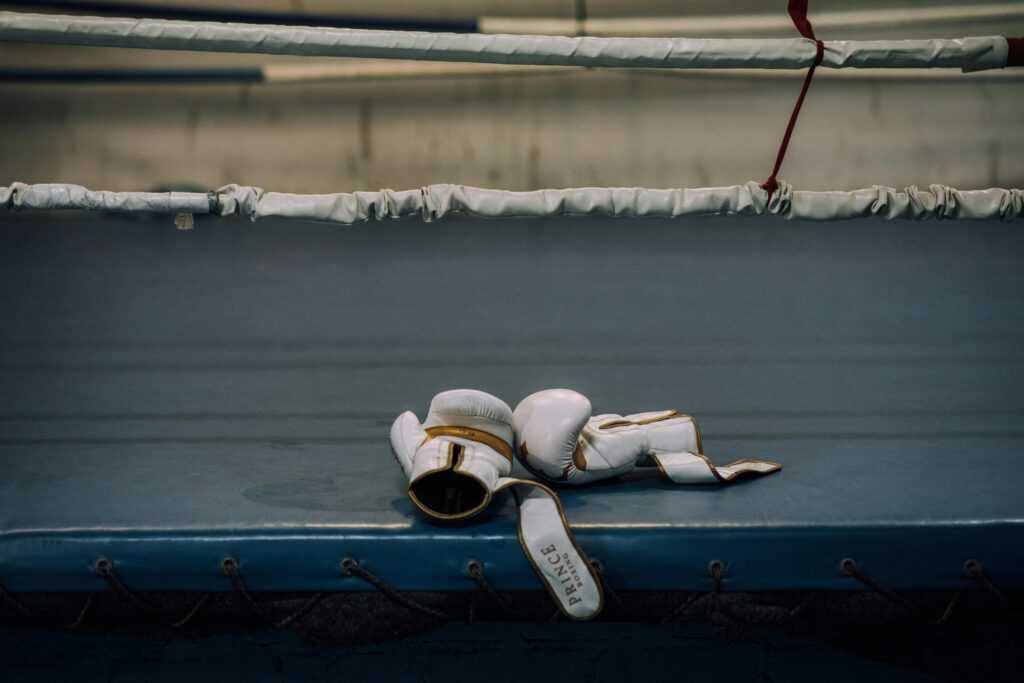
Sports and art have long shared a powerful relationship. Both capture emotion, movement, and moments that define history. Over the decades, artists have used sport as inspiration to explore heroism, struggle, identity, and national pride. From boxing rings to baseball diamonds, some sports artworks have become cultural landmarks in their own right. Below is a look at some of the most famous sports art ever produced, the artists behind it, and the context that made each piece unforgettable.
Muhammad Ali by Andy Warhol
Andy Warhol’s portrait of Muhammad Ali stands as one of the most iconic examples of sports meeting pop art. Created in the late 1970s as part of Warhol’s Athletes series, the artwork captures Ali not just as a boxer but as a global cultural figure. Warhol was fascinated by celebrity and fame, and Ali embodied both athletic greatness and political influence.
The bold colors and flat composition reflect Warhol’s belief that athletes had become modern icons, similar to movie stars. At a time when fans were debating Ali’s legacy both in and out of the ring, this artwork helped cement his image as more than an athlete. Today, it is often referenced in discussions about how sports figures shape popular culture, much like modern conversations around sponsorships, branding, and platforms such as DraftKings that highlight how deeply sports are embedded in everyday life.
The Boxer by George Bellows
Painted in 1909, George Bellows’ boxing scenes are some of the earliest and most raw depictions of professional sports in American art. His work Stag at Sharkey’s is especially famous for its intense portrayal of a boxing match. Bellows was inspired by the underground boxing clubs of New York City, where fights were brutal and unregulated.
The painting captures the violence and energy of the sport rather than glamour. Bellows wanted viewers to feel the physicality of the moment, emphasizing sweat, tension, and movement. At the time, boxing was controversial, and this artwork reflected society’s conflicted feelings toward the sport.
Jackie Robinson by Andy Warhol
Another standout from Warhol’s Athletes series is his portrait of Jackie Robinson. Robinson broke Major League Baseball’s color barrier in 1947, making him one of the most important figures in American sports history. Warhol’s minimalist style places focus on Robinson’s face, allowing his legacy to speak louder than any background detail.
The inspiration here was not just athletic excellence but social progress. Warhol recognized that Robinson’s impact extended far beyond baseball, influencing civil rights and American culture as a whole. The artwork remains a symbol of courage and change through sport.
LeRoy Neiman’s Olympic Paintings
LeRoy Neiman became synonymous with sports art in the second half of the twentieth century. His vibrant paintings of the Olympics, Super Bowl, and major boxing matches captured the spectacle and excitement of live events. Neiman attended countless sporting events in person, sketching scenes on the spot to capture authentic movement and emotion.
His Olympic works were inspired by the unity and global scale of the games. Rather than focusing on individual athletes, Neiman often emphasized crowds, color, and motion. His style helped define how sports art could feel energetic and celebratory, reflecting the shared experience of fans around the world.
The Baseball Player by Pablo Picasso
While not a sports artist by trade, Pablo Picasso explored athletics in several works, including The Baseball Player from his early twentieth-century period. The painting reflects Picasso’s fascination with form and movement rather than the sport itself. Baseball was growing rapidly in popularity at the time, especially in the United States, and Picasso used the athlete’s posture to experiment with balance and abstraction.
The inspiration was less about competition and more about the human body in motion. This piece shows how sports can serve as a gateway for broader artistic exploration.
Pelé by Vik Muniz
Brazilian artist Vik Muniz created portraits of Pelé using unconventional materials, including recycled objects and everyday items. Muniz was inspired by Pelé’s role as a symbol of hope and excellence, particularly in Brazil, where soccer is deeply tied to national identity.
The use of recycled materials added another layer of meaning, highlighting themes of reinvention and resilience. Pelé’s journey from poverty to global stardom mirrored the transformation of ordinary materials into extraordinary art.
The most famous sports art ever produced goes beyond documenting games or athletes. These works capture the cultural impact of sport and the emotions it creates. Whether through pop art, realism, or abstraction, artists have used sports to explore fame, struggle, identity, and unity. As sports continue to influence entertainment, business, and media, their presence in the art world remains just as powerful and enduring.

 Bernardon Holmanate has opinions about art techniques and methods. Informed ones, backed by real experience — but opinions nonetheless, and they doesn't try to disguise them as neutral observation. They thinks a lot of what gets written about Art Techniques and Methods, Trends in Contemporary Art, Exhibition Announcements and Reviews is either too cautious to be useful or too confident to be credible, and they's work tends to sit deliberately in the space between those two failure modes.
Reading Bernardon's pieces, you get the sense of someone who has thought about this stuff seriously and arrived at actual conclusions — not just collected a range of perspectives and declined to pick one. That can be uncomfortable when they lands on something you disagree with. It's also why the writing is worth engaging with. Bernardon isn't interested in telling people what they want to hear. They is interested in telling them what they actually thinks, with enough reasoning behind it that you can push back if you want to. That kind of intellectual honesty is rarer than it should be.
What Bernardon is best at is the moment when a familiar topic reveals something unexpected — when the conventional wisdom turns out to be slightly off, or when a small shift in framing changes everything. They finds those moments consistently, which is why they's work tends to generate real discussion rather than just passive agreement.
Bernardon Holmanate has opinions about art techniques and methods. Informed ones, backed by real experience — but opinions nonetheless, and they doesn't try to disguise them as neutral observation. They thinks a lot of what gets written about Art Techniques and Methods, Trends in Contemporary Art, Exhibition Announcements and Reviews is either too cautious to be useful or too confident to be credible, and they's work tends to sit deliberately in the space between those two failure modes.
Reading Bernardon's pieces, you get the sense of someone who has thought about this stuff seriously and arrived at actual conclusions — not just collected a range of perspectives and declined to pick one. That can be uncomfortable when they lands on something you disagree with. It's also why the writing is worth engaging with. Bernardon isn't interested in telling people what they want to hear. They is interested in telling them what they actually thinks, with enough reasoning behind it that you can push back if you want to. That kind of intellectual honesty is rarer than it should be.
What Bernardon is best at is the moment when a familiar topic reveals something unexpected — when the conventional wisdom turns out to be slightly off, or when a small shift in framing changes everything. They finds those moments consistently, which is why they's work tends to generate real discussion rather than just passive agreement.