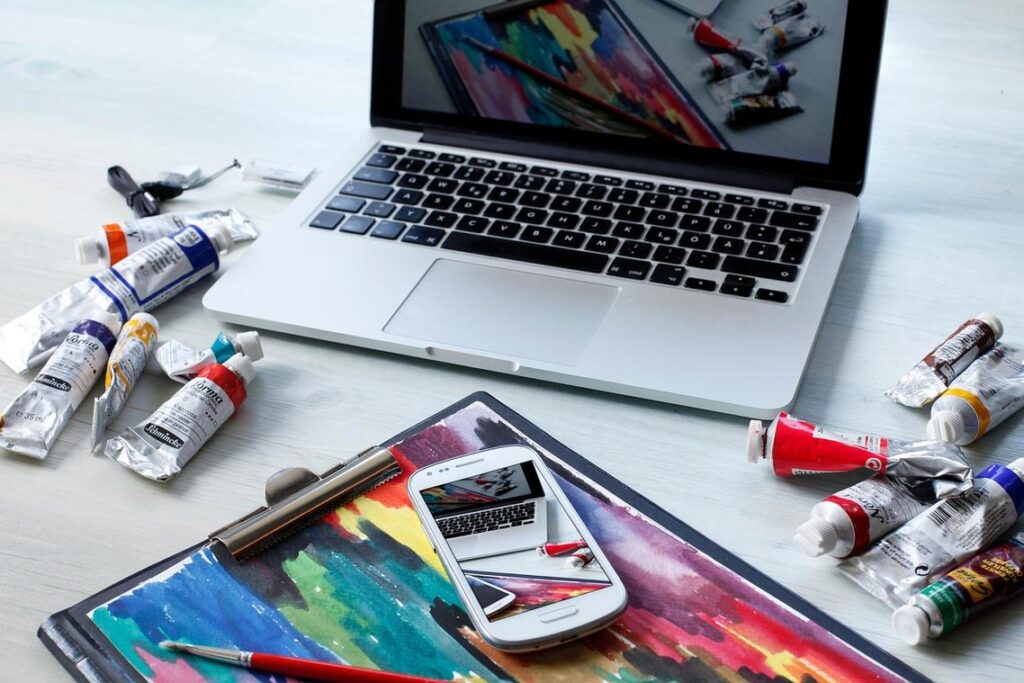
I know looking at oil paintings online isn’t the same as standing in front of one.
You miss the texture. The way light catches the surface. How the colors shift when you move.
But I’ve spent years learning how to present art in a way that gets you as close as possible to the real thing. That’s what this tour is about.
Arcagallerdate carries pieces that represent serious technical skill and artistic vision. I don’t just throw paintings on a wall and call it a collection.
Every piece here earned its spot.
This guide walks you through what we have available right now. I’ll show you the details that matter. The brushwork, the color choices, the composition decisions that make each painting worth your time.
You’ll see different styles and subjects. Some traditional, some contemporary. All of them selected because they do something well.
By the end, you’ll have a clear sense of what’s here and what might work for your space. Or at the very least, you’ll find something that makes you want to see it in person.
Let me show you what we’ve got.
The Enduring Allure of Oil: A Medium of Masters
Oil paint has dominated fine art for over 500 years.
There’s a reason for that. The colors stay rich. The paint stays workable for days (sometimes weeks if you want). And when it’s done right, an oil painting can outlast most of us.
But here’s what most galleries won’t tell you.
Understanding how a painting was made changes how you see it. When you know what to look for, you stop just glancing and start actually looking.
What Makes Oil Different
The paint itself is simple. Pigment mixed with oil. Usually linseed.
But that combination does something other mediums can’t match. It blends like butter. It builds up in thick ridges or spreads thin as glass. You can work light over dark or dark over light.
At arcagallerdate, I focus on showing you these differences because they matter.
Most people look at oil paintings arcagallerdate the same way they scroll through their phone. Quick glance, move on.
You’re missing the whole point.
Three Techniques Worth Knowing
1. Impasto
This is when artists load up the brush and slap it on thick. You can see the ridges. Sometimes you can see the brush hairs embedded in the paint itself (not on purpose, but it happens).
Van Gogh did this constantly. Those swirling skies? That’s impasto.
2. Glazing
The opposite approach. Thin layers of transparent color built up over time. Each layer changes what’s underneath without covering it completely.
The old masters used this for skin tones. It’s why those paintings seem to glow from within.
3. Chiaroscuro
Strong contrast between light and dark. Caravaggio made this famous, though he didn’t invent it.
When you see a figure emerging from near-total darkness? That’s chiaroscuro at work.
How to Actually Look at Oil Paintings
Even on a screen, you can spot these things if you know where to look.
Zoom in on the brushstrokes. Are they smooth or textured? Can you see where the artist changed direction? As you zoom in on the brushstrokes of the latest level design in Arcagallerdate, you’ll be captivated by the intricate details that reveal the artist’s creative journey, showcasing both smooth transitions and textured elements that tell a story with every pixel.
Check how colors transition. Sharp edges or soft blends?
Look at the darkest darks and lightest lights. How much range is there?
These details tell you how the artist thought. What they cared about. Where they spent their time.
Most people never get past “I like it” or “I don’t like it.” You can do better than that.
Gallery Wing 1: Contemporary Portraiture & The Human Form
When you look at a portrait, what do you see first?
Most people notice the face. The eyes. Maybe the expression.
But here’s what separates a good portrait from one that stops you in your tracks. It’s not just about getting the nose right or matching the exact shade of someone’s skin.
It’s about capturing something you can’t quite name.
I’ve walked through Wing 1 at Arca Gallerdate hundreds of times. And I still find myself pausing in front of certain pieces because they feel alive in a way that’s hard to explain.
Two Ways to See the Same Thing
The gallery paintings arcagallerdate collection shows you two different approaches to the human form. And honestly, both work.
On one side, you’ve got the realists. Take Marcus Chen’s “Woman in Winter Light.” Every pore is there. Every strand of hair catches light exactly how it would in real life. You could mistake it for a photograph if you weren’t standing close enough to see the brushstrokes (and trust me, you want to get close).
Then there’s someone like Yara Osman. Her piece “Fractured Self” uses these thick, almost violent strokes of crimson and cobalt. The face isn’t precise. But you feel the subject’s anxiety in your chest.
Realism vs Expression
Here’s the comparison that matters. Photorealistic work demands technical control. It’s about patience and observation. Chen probably spent 200 hours on that single canvas.
But expressive portraiture? That’s about speed and instinct. Osman’s work looks spontaneous because it is. She’s not trying to copy what she sees. She’s translating what she feels.
Neither approach is better. They’re just asking different questions.
What Happens Between Artist and Subject
The oil paintings arcagallerdate feature in this wing all share one thing. You can sense the relationship between the person holding the brush and the person sitting still.
Some portraits feel distant. Clinical, even. Like the artist never really connected with who they were painting.
But the figurative works here? They feel intimate. Sometimes uncomfortably so.
That’s not an accident. It’s what happens when an artist spends enough time with someone to see past the surface.
Gallery Wing 2: Landscapes – From Serene Vistas to Urban Scenes
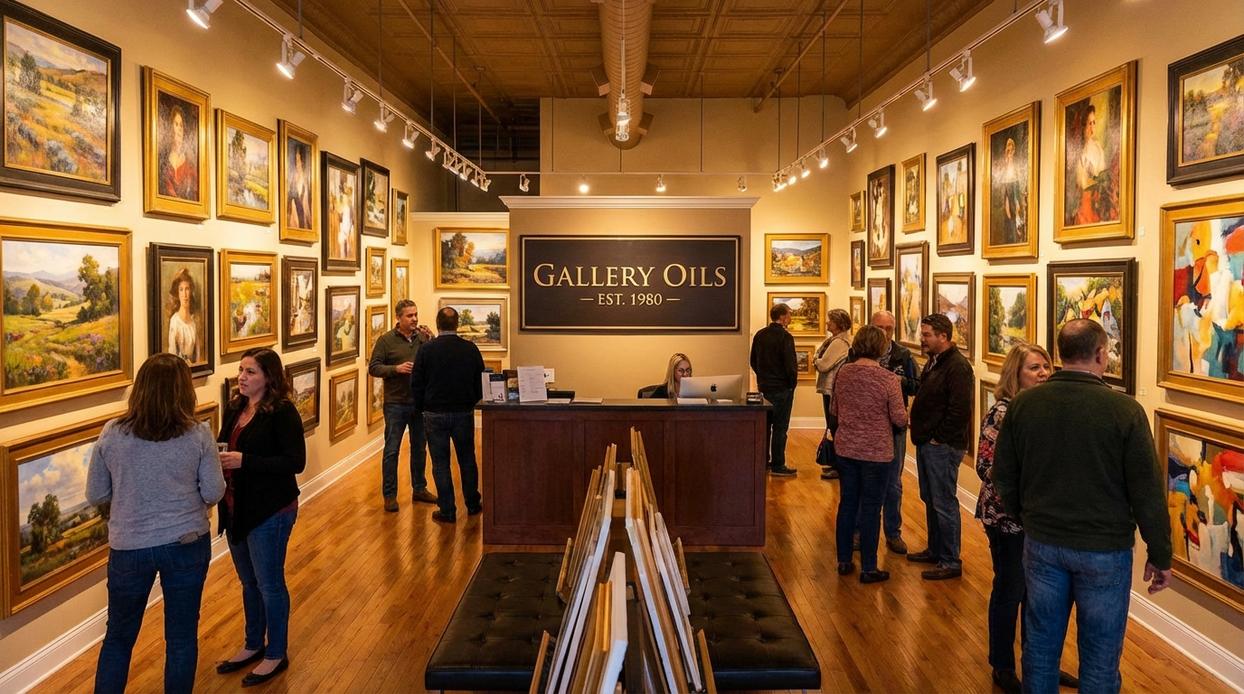
Walk into this wing and you’ll see something interesting.
The landscapes here don’t all look the same. You’ve got quiet mountain scenes hanging next to paintings of crowded city streets. And somehow, it works. In the vibrant and eclectic atmosphere of the Gallery Arcagallerdate, the juxtaposition of serene mountain vistas alongside bustling urban scenes creates a captivating visual dialogue that invites players to explore the diverse narratives within the game.
That’s because good landscape painting isn’t about the subject. It’s about how you see it.
Creating Depth That Pulls You In
Here’s what separates a flat painting from one that feels like you could step into it.
Atmospheric perspective.
It’s a technique where distant objects get lighter, cooler, and less detailed. The mountains in the background fade to blue-gray while the trees up front stay sharp and warm.
Look at the piece near the north wall (the one with the valley view). Notice how the artist layered those ridges? Each one gets a little hazier. That’s not guesswork. It’s observation translated into paint.
When you’re looking at oil paintings arcagallerdate, pay attention to how artists build that sense of space. It’s usually done in stages, working from back to front.
Light Changes Everything
Same location. Different time of day. Completely different painting.
I’ve seen artists return to the same spot for weeks just to capture how light shifts. Morning light is cool and crisp. Golden hour warms everything up and stretches shadows long. Midday sun can flatten a scene or create stark contrasts depending on the season.
The cityscape series on the east wall shows this perfectly. One painting captures early morning fog rolling through empty streets. Another shows the same intersection at sunset with warm light bouncing off glass buildings.
Oil paint handles this better than almost any other medium. You can blend colors wet-into-wet to get those soft transitions in a sky. Or you can layer glazes to build up that glow you see right before the sun drops below the horizon.
Breaking the Rules
Not every landscape here plays it traditional.
Some artists mix in abstract elements. You’ll see realistic trees that suddenly dissolve into gestural brushstrokes. Or cityscapes where buildings are suggested rather than detailed.
The color choices get wild too. Purple skies over green oceans. Orange snow. It shouldn’t work, but it does because the structure underneath is solid.
That’s the thing about pushing boundaries. You need to know the rules before you can break them effectively.
Gallery Wing 3: The Language of Abstraction
You walk into this wing and something shifts.
No faces. No landscapes. No clear story telling you what to think.
Just color. Form. Texture speaking directly to something you can’t quite name.
That’s what our abstract oil collection at gallery arcagallerdate is all about. We’re not trying to show you the world as it looks. We’re showing you how it feels.
Some people say abstract art is just random paint on canvas. That anyone could do it. They want art that tells them exactly what they’re looking at.
But here’s what they’re missing.
Abstract work demands more from you. You have to bring yourself to it. Your mood. Your memories. Your gut reaction to a slash of crimson or a field of deep blue.
Two people can stand in front of the same piece and see completely different things. And they’re both right.
Take the oil paintings arcagallerdate we’ve curated here. You’ll see palette knife work that builds texture so thick you want to run your fingers across it (please don’t). You’ll find layering techniques where colors peek through from underneath, creating depth that pulls you in. The stunning textures and vibrant colors of the featured pieces in our Gallery Paintings Arcagallerdate invite viewers to lose themselves in the intricate details and emotional depth that each artwork conveys.
And then there’s the color field pieces. Wide expanses of tone that seem simple until you realize you’ve been staring for five minutes.
That’s the power of letting go of representation. The paint itself becomes the subject.
Your Journey Through Art Continues
You’ve explored the key themes and styles within the Arca Gallerdate oil painting collection. From portraits to abstracts, you’ve seen what makes each piece distinct.
But here’s the thing: a digital tour only shows you so much.
The true presence of an oil painting hits different in person. You can’t feel the texture through a screen. You can’t see how light plays across the brushstrokes or catch the subtle shifts in color that make a piece come alive.
This overview gave you context. You understand the skill and vision behind each work now.
That knowledge changes how you look at art.
I want you to take the next step. Browse the full collection online to see detailed images of each work. Better yet, contact us to schedule a private viewing in the gallery.
There’s something about standing in front of a painting that no photograph can capture (even the really good ones).
You came here to understand the collection. Now you’re ready to experience it.
The gallery is waiting.

 Zayric Xelvaris has opinions about art gallery news. Informed ones, backed by real experience — but opinions nonetheless, and they doesn't try to disguise them as neutral observation. They thinks a lot of what gets written about Art Gallery News, Art Techniques and Methods, Artist Spotlights and Interviews is either too cautious to be useful or too confident to be credible, and they's work tends to sit deliberately in the space between those two failure modes.
Reading Zayric's pieces, you get the sense of someone who has thought about this stuff seriously and arrived at actual conclusions — not just collected a range of perspectives and declined to pick one. That can be uncomfortable when they lands on something you disagree with. It's also why the writing is worth engaging with. Zayric isn't interested in telling people what they want to hear. They is interested in telling them what they actually thinks, with enough reasoning behind it that you can push back if you want to. That kind of intellectual honesty is rarer than it should be.
What Zayric is best at is the moment when a familiar topic reveals something unexpected — when the conventional wisdom turns out to be slightly off, or when a small shift in framing changes everything. They finds those moments consistently, which is why they's work tends to generate real discussion rather than just passive agreement.
Zayric Xelvaris has opinions about art gallery news. Informed ones, backed by real experience — but opinions nonetheless, and they doesn't try to disguise them as neutral observation. They thinks a lot of what gets written about Art Gallery News, Art Techniques and Methods, Artist Spotlights and Interviews is either too cautious to be useful or too confident to be credible, and they's work tends to sit deliberately in the space between those two failure modes.
Reading Zayric's pieces, you get the sense of someone who has thought about this stuff seriously and arrived at actual conclusions — not just collected a range of perspectives and declined to pick one. That can be uncomfortable when they lands on something you disagree with. It's also why the writing is worth engaging with. Zayric isn't interested in telling people what they want to hear. They is interested in telling them what they actually thinks, with enough reasoning behind it that you can push back if you want to. That kind of intellectual honesty is rarer than it should be.
What Zayric is best at is the moment when a familiar topic reveals something unexpected — when the conventional wisdom turns out to be slightly off, or when a small shift in framing changes everything. They finds those moments consistently, which is why they's work tends to generate real discussion rather than just passive agreement.