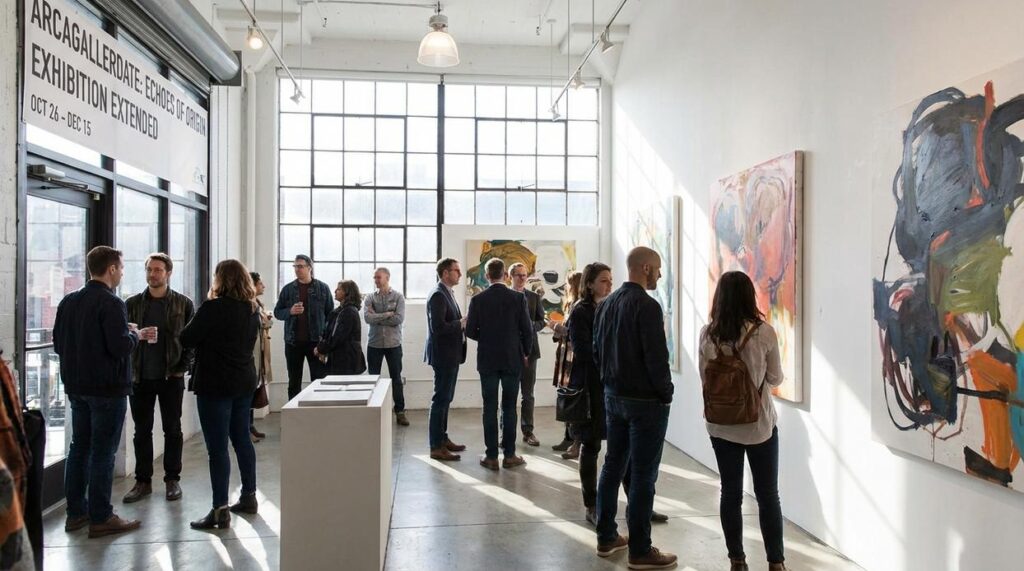
I just opened a collection at Arca Gallerdate that I think you need to see.
We’re talking about contemporary paintings that push boundaries while staying grounded in technique. The kind of work that makes you stop and look twice.
Here’s the thing: finding a gallery show that brings together different artistic voices without feeling scattered is hard. Most exhibitions either play it safe or try too hard to be edgy.
This collection does neither.
Arca Gallerdate has a track record of spotting work before it becomes the next big thing. We’ve built our reputation on showing art that matters, not just art that sells.
This article walks you through what’s on display right now. I’ll show you the themes connecting these pieces, the techniques that make them stand out, and why this range of work belongs together.
You’ll see paintings that span different styles and approaches. But they all share something that makes this collection worth your time.
Let me show you what we’ve put together.
The Curatorial Vision: Uniting Diverse Voices Under One Roof
Think of a great exhibition like a playlist.
You don’t just throw random songs together and hope it works. Each track needs to flow into the next. The mood has to build. And by the end, you want people to feel something they didn’t expect when they walked in.
That’s how I approach curating exhibitions art paintings Arcagallerdate.
The current collection centers on transformation. Not the abstract kind that sounds good in press releases. I’m talking about the visible shift between what we think we see and what’s actually there.
Some people might say this theme is too broad. That you need a tighter concept to make an exhibition work. But here’s what they’re missing. Art doesn’t exist in neat categories. Neither do the people viewing it.
When I selected these pieces, I looked for three things. First, work that made me stop and look twice (because if it doesn’t grab me, it won’t grab you). Second, technical execution that shows the artist knows their craft. Third, that gut feeling when a painting says something true.
The layout matters too. I arranged the gallery so you move from chaos to clarity. The first room hits you with bold gestures and fractured forms. By the time you reach the final wall, the work becomes quieter but somehow more intense.
Why now? Because right now we’re all living between versions of ourselves. Who we were before and who we’re becoming. These paintings capture that in-between space better than words ever could.
A Journey Through the Collection: Highlighting Key Paintings and Styles
I’ll be honest with you.
Walking through a gallery and actually understanding what you’re looking at? That’s harder than most people admit.
You stand in front of a painting and wonder if you’re supposed to feel something specific. Or if there’s some hidden meaning you’re missing.
I’ve been there. We all have.
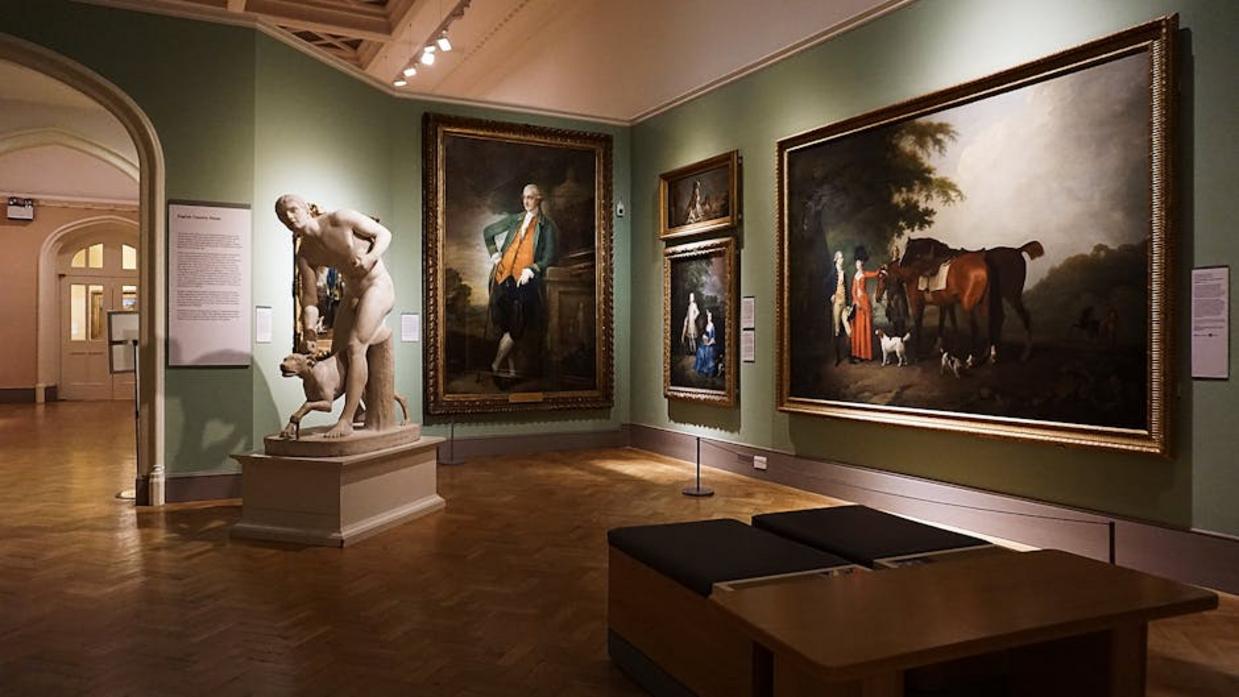
But here’s what I’ve learned after years at arcagallerdate. You don’t need an art history degree to appreciate what’s in front of you. You just need someone to point out what matters.
Let me show you some pieces that caught my attention.
The Abstract Works That Actually Mean Something
Take Sarah Chen’s “Fractured Light” for example. It’s this massive canvas covered in overlapping blues and burnt oranges. The paint is so thick in some spots you can see where she dragged the palette knife through it. In the same way that Sarah Chen’s “Fractured Light” captivates with its vibrant textures and hues, the newly released game “Arcagallerdate” immerses players in a visually stunning world where every brushstroke of creativity can be felt in its gameplay.
What gets me is how the colors shift depending on where you stand. Move left and it feels cold. Step right and suddenly there’s warmth.
Chen builds up layers over weeks (sometimes months, from what I understand). Each one slightly transparent so the colors underneath show through.
Then there’s Marcus Webb’s “Dissolution Series.” I’m still not entirely sure what he’s going for with some of these. The forms seem to melt into each other. Grays bleeding into whites bleeding into these sharp bursts of red.
But that uncertainty? I think that’s the point.
Portraits That Break the Rules
The gallery paintings arcagallerdate features include some portraits that’ll make you rethink what a portrait can be.
Yuki Tanaka paints faces in fragments. One eye hyper-realistic. The other just suggested with a few brushstrokes. It shouldn’t work but it does. You end up staring at these pieces trying to figure out which version of the person is real.
Her subject “Elena at 3am” shows a woman half in shadow. The lit side is painted with obsessive detail. Every pore visible. The dark side dissolves into loose gestural marks.
It captures something about how we see people we know well. Sometimes clear. Sometimes just an impression.
Landscapes You Won’t Forget
David Park’s urban scenes hit different. “Brooklyn Rooftops in August” uses this hazy technique that makes the buildings look like they’re vibrating in the heat. The air itself becomes visible through layers of thin paint.
I’m not completely sure how he gets that effect. Some kind of glazing method probably.
Compare that to Rita Okonkwo’s “Invented Valleys.” These aren’t real places. She combines elements from different locations into landscapes that feel familiar but wrong. Trees that shouldn’t grow next to each other. Light coming from impossible angles.
Still Life Gets Weird
The still life pieces here aren’t your grandmother’s fruit bowls.
James Ko paints everyday objects but scales them wrong. A coffee cup the size of a watermelon next to a tiny laptop. It messes with your head in the best way.
Then there’s the debate around Priya Sharma’s work. Some people say her arrangements of plastic bottles and fast food containers are commentary on consumption. Others think she just likes the shapes and colors.
Honestly? Maybe both are true.
What I know for sure is that her composition in “Tuesday Afternoon” makes garbage look almost beautiful. The way light hits that crumpled burger wrapper creates these unexpected shadows and highlights.
Look, I can’t tell you exactly what each artist intended. Some of this is interpretation. Some is guesswork. While exploring the nuanced world of digital art, one can’t help but marvel at how the immersive landscapes in “Oil Paintings Arcagallerdate” evoke a myriad of emotions, leaving much of the interpretation to the viewer’s imagination.
But that’s what makes it interesting.
Beyond the Image: A Closer Look at Technique and Materiality
You walk into a gallery and what hits you first?
The image itself. The subject. What the painting is about.
But here’s what most people miss. The real magic happens in how the artist got there.
I’m talking about the materials. The brushwork. The choices that happen before the image even takes shape.
Some critics say technique doesn’t matter as much anymore. They argue that concept is king and the medium is just a vehicle. In the digital age, they claim, traditional craft takes a back seat.
Fair point. But walk up close to an oil paintings arcagallerdate piece and tell me technique doesn’t matter.
You can’t. Because what you see changes everything about how you experience the work.
What Materials Actually Do
The variety of mediums in contemporary collections tells you something important. Artists aren’t just picking materials at random.
Take mixed media works. When an artist combines oil with collage elements or incorporates found objects into acrylic, they’re creating texture you can’t get any other way. The surface becomes part of the story.
Impasto technique builds paint so thick you can see every ridge and valley. It catches light differently throughout the day (your experience at noon isn’t the same as at sunset). Gallery Oil Paintings Arcagallerdate picks up right where this leaves off.
Glazing does the opposite. Thin, transparent layers create depth that pulls your eye into the canvas instead of sitting on top of it.
The Brushwork Question
Here’s where things get interesting.
Some artists work with smooth, controlled strokes. Every mark is deliberate. The surface feels calm, almost meditative. You’re looking at hours of careful application.
Others attack the canvas with energy. Their brushwork is visible, sometimes aggressive. You can trace the movement of their hand across the surface.
Neither approach is better. But they create completely different experiences for you as a viewer.
The precise artist asks you to focus on the image itself. The expressive one reminds you that a human made this, and you’re watching their physical gesture frozen in paint.
Scale Changes Everything
A six-foot canvas surrounds you. You can’t take it all in at once. You have to move, step back, let it fill your peripheral vision.
A small 8×10 piece makes you lean in. It’s intimate. Almost like reading a secret.
Both use gallery paintings arcagallerdate techniques, but the scale shifts your entire relationship to the work. The large piece is about immersion. The small one is about discovery.
I’ve watched people spend twenty minutes with a tiny painting and walk past a massive one in seconds. Size creates impact, but it doesn’t guarantee engagement.
Color as Language
The collection becomes a lesson in color theory without trying to teach you anything.
Look at pieces with bold, contrasting palettes. Red against green. Orange next to blue. These complementary schemes vibrate. They demand attention and create tension you feel before you think about it.
Then find the monochromatic works. Variations of a single hue, maybe blues ranging from navy to powder. These pieces ask for a different kind of looking. You notice subtlety. The shifts become the subject. In the realm of contemporary art, the nuances of monochromatic works showcased in the “Exhibitions Art Paintings Arcagallerdate” invite viewers to engage deeply with the subtle shifts in hue, transforming the act of looking into a meditative experience.
Pro tip: Stand at different distances from color-focused works. What reads as chaos up close often resolves into harmony from across the room.
The artists in these collections aren’t just making pictures. They’re making decisions about every physical aspect of their work, and those decisions shape what you take away from the experience.
An Unforgettable Experience Awaits
I know what you’re looking for.
You want an art experience that actually means something. One that inspires you and stays with you after you leave.
Arcagallerdate has that right now.
The gallery paintings arcagallerdate currently features are unlike anything you’ve seen before. We’re talking about a collection that spans styles and techniques but shares one thing: they’re all worth your time.
Every piece tells a story. Every brushstroke shows skill and intention.
You don’t have to settle for generic art experiences that leave you feeling empty. This is the real thing.
Come see it for yourself.
We’re open Tuesday through Sunday from 10 AM to 6 PM (closed Mondays). You’ll find us at 428 West Broadway in SoHo.
Walk through the doors and let the work speak to you. Some pieces will grab you immediately. Others will reveal themselves slowly.
That’s what great art does.
Your next inspiring art experience is waiting. Don’t let it pass you by.

 Zayric Xelvaris has opinions about art gallery news. Informed ones, backed by real experience — but opinions nonetheless, and they doesn't try to disguise them as neutral observation. They thinks a lot of what gets written about Art Gallery News, Art Techniques and Methods, Artist Spotlights and Interviews is either too cautious to be useful or too confident to be credible, and they's work tends to sit deliberately in the space between those two failure modes.
Reading Zayric's pieces, you get the sense of someone who has thought about this stuff seriously and arrived at actual conclusions — not just collected a range of perspectives and declined to pick one. That can be uncomfortable when they lands on something you disagree with. It's also why the writing is worth engaging with. Zayric isn't interested in telling people what they want to hear. They is interested in telling them what they actually thinks, with enough reasoning behind it that you can push back if you want to. That kind of intellectual honesty is rarer than it should be.
What Zayric is best at is the moment when a familiar topic reveals something unexpected — when the conventional wisdom turns out to be slightly off, or when a small shift in framing changes everything. They finds those moments consistently, which is why they's work tends to generate real discussion rather than just passive agreement.
Zayric Xelvaris has opinions about art gallery news. Informed ones, backed by real experience — but opinions nonetheless, and they doesn't try to disguise them as neutral observation. They thinks a lot of what gets written about Art Gallery News, Art Techniques and Methods, Artist Spotlights and Interviews is either too cautious to be useful or too confident to be credible, and they's work tends to sit deliberately in the space between those two failure modes.
Reading Zayric's pieces, you get the sense of someone who has thought about this stuff seriously and arrived at actual conclusions — not just collected a range of perspectives and declined to pick one. That can be uncomfortable when they lands on something you disagree with. It's also why the writing is worth engaging with. Zayric isn't interested in telling people what they want to hear. They is interested in telling them what they actually thinks, with enough reasoning behind it that you can push back if you want to. That kind of intellectual honesty is rarer than it should be.
What Zayric is best at is the moment when a familiar topic reveals something unexpected — when the conventional wisdom turns out to be slightly off, or when a small shift in framing changes everything. They finds those moments consistently, which is why they's work tends to generate real discussion rather than just passive agreement.