

I’ve spent years walking through galleries and watching how they actually operate behind those pristine white walls.
You’re probably here because galleries feel like a mystery. You see the finished exhibition but have no idea how the art got there or why some artists get shows while others don’t.
Here’s the reality: galleries aren’t just rooms with art on walls. They’re businesses running complex operations that most people never see.
I’m pulling back the curtain on how art galleries work arcagallerdate. From the moment a gallery discovers an artist to the opening night of a sold-out show, there’s a whole process happening.
This article walks you through each step. You’ll see how galleries choose artists, prepare exhibitions, price artwork, and connect collectors with pieces they’ll actually buy.
I’ve watched these operations up close in the contemporary art world. I know what happens in the back rooms and during those quiet morning hours before the doors open.
Whether you’re an artist trying to get gallery representation, a collector who wants to understand what you’re buying into, or just someone who loves art and wants to know more, you’ll get a clear picture of how this world actually works.
No industry jargon. Just the real process from start to finish.
The First Step: Artist Discovery and Roster Building
You walk into a gallery and see artists on the walls.
But how did they get there?
Most people think galleries just pick artists they like. That’s only part of it.
The real process? It’s more like casting a movie than hanging art you find pretty.
Let me break down how Arcagallerdate and other galleries actually find talent.
Where Galleries Look
Some galleries camp out at MFA graduate shows. They’re watching students before anyone else does. Others spend their weekends at art fairs, walking booth after booth looking for something that stands out.
Then there’s Instagram. Yeah, I know what you’re thinking. But galleries really do find artists scrolling through feeds at 11 PM. It’s not the romantic story people want to hear, but it happens more than you’d think.
And yes, galleries get submissions. Lots of them. Most never get opened (that’s the slush pile reality). A few do.
The Studio Visit Changes Everything
Here’s where things get serious.
A gallery might see your work online or at a show. If they’re interested, they’ll ask to visit your studio. This isn’t just about seeing more paintings.
They’re checking if you can sustain a practice. Do you have 20 pieces or 200? Can you talk about your work without falling apart? Do you show up on time?
It sounds harsh, but galleries need to know you can deliver. They’re not just buying one piece. They’re betting on years of collaboration.
Building vs Collecting
Now here’s where galleries split into two camps.
Some build rosters like puzzle pieces. Each artist fills a specific role. They want painters, sculptors, maybe someone working in video. No overlap. No competition. In the intricate tapestry of game development, where each artist contributes their unique flair without encroaching on another’s territory, the collaborative spirit shines brightest during events like the Arcagallerdate, where creativity and specialization harmoniously coexist.
Others collect artists who share a vision. Everyone might paint, but the work speaks to the same ideas or aesthetic. The roster feels like a conversation.
Neither approach is better. It depends on what the gallery wants to be known for. But both require the same thing from you as an artist.
You need to fit without fading into the background.
The Heart of the Matter: Curating an Exhibition
You know what drives me crazy?
Walking into a gallery where the work feels randomly thrown on the walls. No flow. No story. Just art hanging there like it’s waiting for someone to care.
I see this more than I should.
Curating an exhibition isn’t about filling wall space. It starts way before anyone hangs a single piece. You need a concept first. Are you spotlighting one artist’s evolution? Building a thematic group show around an idea? Showcasing a movement that’s just starting to get attention?
That decision shapes everything else.
Here’s where most people get it wrong though. They think the curator just picks the “best” work and calls it done. But the real work happens in the dialogue between curator and artist. You’re not just selecting pieces. You’re having conversations about which works actually serve the story you’re trying to tell.
Sometimes an artist’s favorite piece doesn’t make the cut. Sometimes a work they almost overlooked becomes the centerpiece. (That conversation can get tense, trust me.)
Then comes the part that separates good shows from forgettable ones.
Sequencing.
You’re creating a path through the space. The viewer’s eye needs to move naturally from one work to the next. Their emotions should build or shift as they walk through. This is where understanding how art galleries work arcagallerdate really matters. Gallery Oil Paintings Arcagallerdate builds on the same ideas we are discussing here.
But none of this lands if you can’t communicate it.
The curatorial statement, the labels, the press release. These aren’t just formalities. They’re how you give context to people who aren’t inside your head. They bridge the gap between what you see and what the public experiences.
Without that bridge? You’re just hoping people get it.
Designing the Showcase: The Art of Installation and Presentation
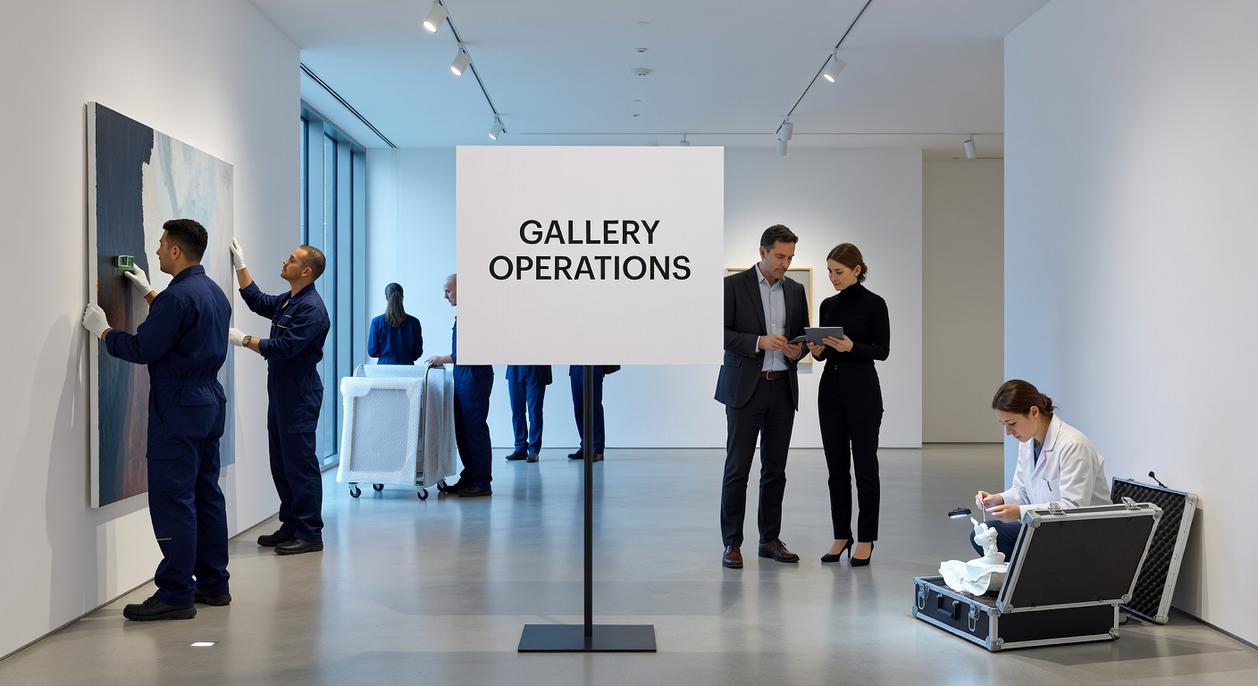
Most people walk into a gallery and think the art just got hung on the wall.
They don’t see the hours of planning that went into WHERE each piece sits. Or why that sculpture looks so good under that specific light.
But here’s what you need to know.
The way a gallery installs work can make or break the entire experience. I’ve seen incredible pieces fall flat because someone rushed the setup. And I’ve watched decent work come alive when the installation team knew what they were doing. The impact of a well-executed installation is vividly illustrated in the “Exhibitions Art Paintings Arcagallerdate,” where the careful arrangement of each piece transforms the viewer’s experience from mundane to mesmerizing.
The Blueprint Comes First
Galleries start with floor plans and 3D models weeks before opening night. They map out every piece like a chess game.
Why does this matter to you? Because when you visit a show that FLOWS, that’s not an accident. Someone spent real time figuring out how you’d move through the space (and what you’d see first).
The goal is simple. Get you to stop at the right moments. Keep you moving without feeling rushed.
Traffic patterns matter more than most people think. Put two popular pieces too close together and you create a bottleneck. Space them out wrong and visitors miss half the show.
Lighting changes everything.
I’m talking about the difference between seeing a painting and FEELING it. Galleries use spotlights to create drama. Floodlights to wash a wall evenly. Ambient light to set the mood without competing with the work.
You walk past a sculpture and suddenly the texture pops. That’s not luck. Someone angled that light at exactly 45 degrees to catch every ridge and curve.
For paintings, it’s about color accuracy. Too warm and everything looks orange. Too cool and the whole piece feels dead.
Then comes the heavy lifting. Wall preparation. Professional handlers in white gloves. Pedestals built to exact specifications. And if there’s multimedia work involved? That’s a whole other level of complexity (think wiring, projectors, sound systems that don’t bleed into other rooms).
This is how art galleries work arcagallerdate behind the scenes. The technical side most visitors never consider.
Before doors open, the curator and artist do a final walkthrough together. They’re looking for anything that feels off. A frame that’s slightly crooked. A light that’s too bright. A label that’s hard to read.
Small adjustments. Big difference.
Connecting with the World: Marketing, Sales, and Community Building
You can’t just hang art on walls and hope people show up.
I learned this the hard way when I first started paying attention to how art galleries work arcagallerdate. The galleries that succeed? They’re running a full operation before anyone walks through the door.
Pre-show marketing starts weeks out. Email blasts to collector lists. Social media teasers showing installation shots. Press releases to art critics and local publications. It’s about building that buzz so opening night actually matters.
And opening night? That’s not just free wine and small talk.
The opening reception is where deals happen. Collectors meet artists face to face. Critics form their opinions. Gallerists work the room, connecting the right people with the right pieces. (You’d be surprised how many sales close within the first two hours.)
Here’s what most people don’t see. The sales process itself is pretty deliberate. Gallerists keep price lists close but share them strategically. They read the room and know when to push and when to let a collector sit with a piece. They negotiate on behalf of their artists while protecting relationships with buyers.
But the smart galleries don’t stop at the sale.
They run artist talks. Host workshops. Offer guided tours for schools or collector groups. This does two things. It brings in people who might not buy today but could become collectors later. And it builds the gallery’s reputation as a real part of the community, not just a shop. In exploring the intricate dynamics of the art market, one cannot overlook the innovative strategies employed by galleries, particularly in understanding “How Galleries Make Money Arcagallerdate,” as they enhance community engagement through artist talks, workshops, and guided tours that cultivate future collectors and strengthen their local presence.
That reputation? It’s what keeps exhibitions art paintings arcagallerdate relevant long after the opening champagne goes flat.
The Gallery as a Cultural Catalyst
You now understand what happens behind the scenes to bring an exhibition to life.
The gallery world doesn’t have to feel like an intimidating mystery anymore. I wanted to pull back the curtain on these processes because too many people walk into galleries without seeing the full picture.
A successful gallery is a living ecosystem. It balances artistic vision with business strategy to champion artists and their work.
Here’s what I want you to do: The next time you visit an exhibition, look beyond the art on the walls. Notice the lighting choices. Think about the placement decisions. Consider the timing of the opening.
Every detail you see is the result of careful curatorial and operational planning.
how art galleries work arcagallerdate gives you this insider perspective because we believe informed viewers become better supporters of the arts. When you understand the work that goes into each show, you connect with the art differently.
Visit your local gallery this week. See if you can spot the invisible decisions that shaped your experience.

 Zayric Xelvaris has opinions about art gallery news. Informed ones, backed by real experience — but opinions nonetheless, and they doesn't try to disguise them as neutral observation. They thinks a lot of what gets written about Art Gallery News, Art Techniques and Methods, Artist Spotlights and Interviews is either too cautious to be useful or too confident to be credible, and they's work tends to sit deliberately in the space between those two failure modes.
Reading Zayric's pieces, you get the sense of someone who has thought about this stuff seriously and arrived at actual conclusions — not just collected a range of perspectives and declined to pick one. That can be uncomfortable when they lands on something you disagree with. It's also why the writing is worth engaging with. Zayric isn't interested in telling people what they want to hear. They is interested in telling them what they actually thinks, with enough reasoning behind it that you can push back if you want to. That kind of intellectual honesty is rarer than it should be.
What Zayric is best at is the moment when a familiar topic reveals something unexpected — when the conventional wisdom turns out to be slightly off, or when a small shift in framing changes everything. They finds those moments consistently, which is why they's work tends to generate real discussion rather than just passive agreement.
Zayric Xelvaris has opinions about art gallery news. Informed ones, backed by real experience — but opinions nonetheless, and they doesn't try to disguise them as neutral observation. They thinks a lot of what gets written about Art Gallery News, Art Techniques and Methods, Artist Spotlights and Interviews is either too cautious to be useful or too confident to be credible, and they's work tends to sit deliberately in the space between those two failure modes.
Reading Zayric's pieces, you get the sense of someone who has thought about this stuff seriously and arrived at actual conclusions — not just collected a range of perspectives and declined to pick one. That can be uncomfortable when they lands on something you disagree with. It's also why the writing is worth engaging with. Zayric isn't interested in telling people what they want to hear. They is interested in telling them what they actually thinks, with enough reasoning behind it that you can push back if you want to. That kind of intellectual honesty is rarer than it should be.
What Zayric is best at is the moment when a familiar topic reveals something unexpected — when the conventional wisdom turns out to be slightly off, or when a small shift in framing changes everything. They finds those moments consistently, which is why they's work tends to generate real discussion rather than just passive agreement.