
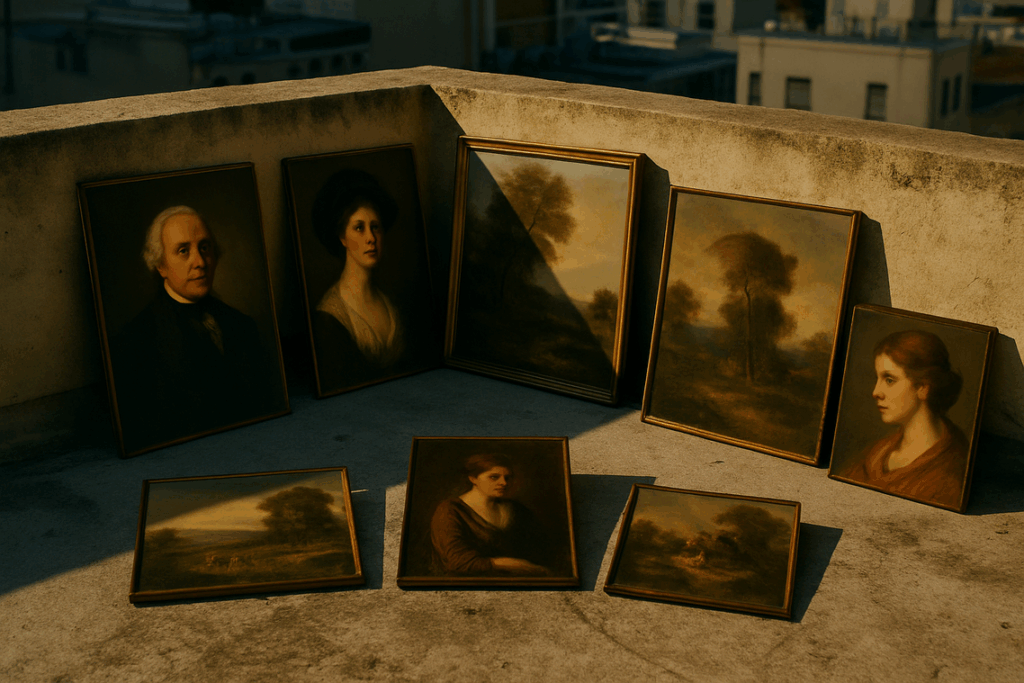
I’ve spent years watching people walk into galleries and freeze up.
You’re probably here because you want to experience contemporary art without feeling lost or judged. I get it. The art world can feel like it’s speaking a language you don’t know.
Here’s what I’m seeing in our current collection: oil paintings at Arca Gallerdate that break down those walls. These aren’t pieces that require a degree to appreciate.
I curated this exhibition with one goal in mind. Show you work that connects on a human level first and an intellectual level second.
This article walks you through the key themes and styles in our collection. I’ll introduce you to the artists and explain what makes their work worth your time.
We selected each piece because it does two things well. It demonstrates serious technical skill and it tells a story you can actually feel.
You’ll discover which paintings speak to different emotions and experiences. Some will hit you immediately. Others will grow on you as you spend time with them.
No pretension. Just good art and straight talk about why it matters.
What Defines ‘Contemporary’ in Oil Painting Today?
You walk into a gallery and see oil paintings that look nothing like the Old Masters.
Some people hate that. They want oil painting to stay exactly where it was in the 17th century. All those carefully rendered portraits and pastoral scenes.
I hear this argument all the time. “Real oil painting died with the classical tradition.”
But here’s what that view misses.
Oil paint is just a tool. What makes something contemporary isn’t the medium. It’s what you’re saying with it.
The artists at Arcagallerdate aren’t abandoning tradition. They’re building on it. They take those same pigments and linseed oil that Rembrandt used and push them somewhere new.
You’ll see abstraction that still uses classical glazing techniques. Realism that captures smartphone screens instead of fruit bowls. Conceptual pieces that question what a painting even needs to be (turns out, not much).
What makes these works contemporary is simple. They talk about now.
They reflect the things we actually think about. Identity, technology, climate, isolation. The stuff that keeps you up at night scrolling through your phone.
When I look at gallery oil paintings arcagallerdate features, I see artists who understand something important. The medium hasn’t changed much in 600 years. But we have.
That’s what contemporary means. Not throwing out the past. Using it to say something that matters right now.
Thematic Exploration: A Curated Walk-Through of the Collection
I remember walking into a gallery in Chelsea three years ago and feeling completely lost.
The artist statement on the wall talked about “interrogating spatial dynamics” and “deconstructing visual hierarchies.” I stood there thinking, what does any of this actually mean?
That experience stuck with me. It’s why I approach collections differently now at Arca Gallerdate.
You don’t need an art degree to connect with what you’re seeing. You just need someone to walk you through it without the pretentious language.
So let me show you what’s actually happening in contemporary work right now.
Urban Landscapes Reimagined
Cities have always been subjects for painters. But the work I’m seeing now feels different.
These aren’t pretty postcards of skylines. They’re raw. You can feel the subway rumble and smell the street vendor smoke just by looking at them.
Take the pieces that use thick, almost aggressive brushwork to capture a crosswalk at rush hour. The figures blur together because that’s what it actually feels like when you’re in it. You’re not an individual. You’re part of this moving mass.
Some artists are painting from rooftops at 2 AM when the city finally exhales. Others focus on the spaces between buildings where light hits concrete in unexpected ways.
The perspective matters here. We’re not looking at cities from a tourist’s view anymore. We’re seeing them from the inside out.
The New Figurative
The human body never goes out of style in art.
But how we paint it? That changes.
I’m watching artists move away from idealized forms. They’re painting real people with real bodies in real situations. A figure hunched over a phone. Someone mid-laugh with their mouth wide open (not exactly flattering but completely honest). In this evolving landscape of digital art, where authenticity reigns supreme, the latest exhibition titled “Arcagallerdate” showcases how contemporary artists embrace the beauty of imperfection by capturing real moments and emotions in their work.
What gets me about these works is how they handle identity. You’ll see paintings where faces are partially obscured or features are exaggerated in ways that feel emotional rather than literal.
One piece I saw recently showed two figures sitting on opposite ends of a couch, both on their devices. The space between them said everything about modern connection. Or the lack of it.
This is where you start to understand why figurative work matters again. It’s not about technical skill showing off. It’s about using the body to say something about how we live now.
Abstract Meditations
Here’s where people usually check out.
They see a canvas covered in color blocks or gestural marks and think, my kid could do that. (Your kid probably couldn’t, but I get the reaction.)
Abstract work asks you to stop looking for things and start feeling instead.
I’ve stood in front of paintings where the texture was so thick I wanted to touch it. Where colors shifted from calm to chaotic in ways that matched exactly how my week had gone.
The gallery oil paintings arcagallerdate features in this category aren’t trying to trick you. They’re offering you space to bring your own interpretation.
Some use soft washes of color that feel meditative. Others attack the canvas with sharp lines and contrasting tones that create tension.
You don’t have to “get” abstract work. You just have to let it affect you.
Still Life for a New Era
Still life gets dismissed as boring.
Fruit in a bowl. Flowers in a vase. We’ve seen it a million times.
But artists are flipping this genre completely. They’re painting objects from our actual lives. A pile of Amazon boxes. Half-empty coffee cups. A phone charger tangled on a nightstand.
These paintings comment on what we consume and what we keep. One artist I follow paints fast food wrappers with the same care that Dutch masters gave to silver platters. The message lands hard.
There’s also this interesting thing happening with memory. Artists are painting objects from their childhood but placing them in contemporary settings. A rotary phone next to a laptop. Old family photos scattered among modern clutter.
If you’re trying to figure out how to get your paintings into a gallery arcagallerdate, pay attention to how these artists make the ordinary feel significant.
Still life isn’t dead. It’s just finally catching up to how we actually live.
Spotlight on Technique: The Materiality of Modern Oils
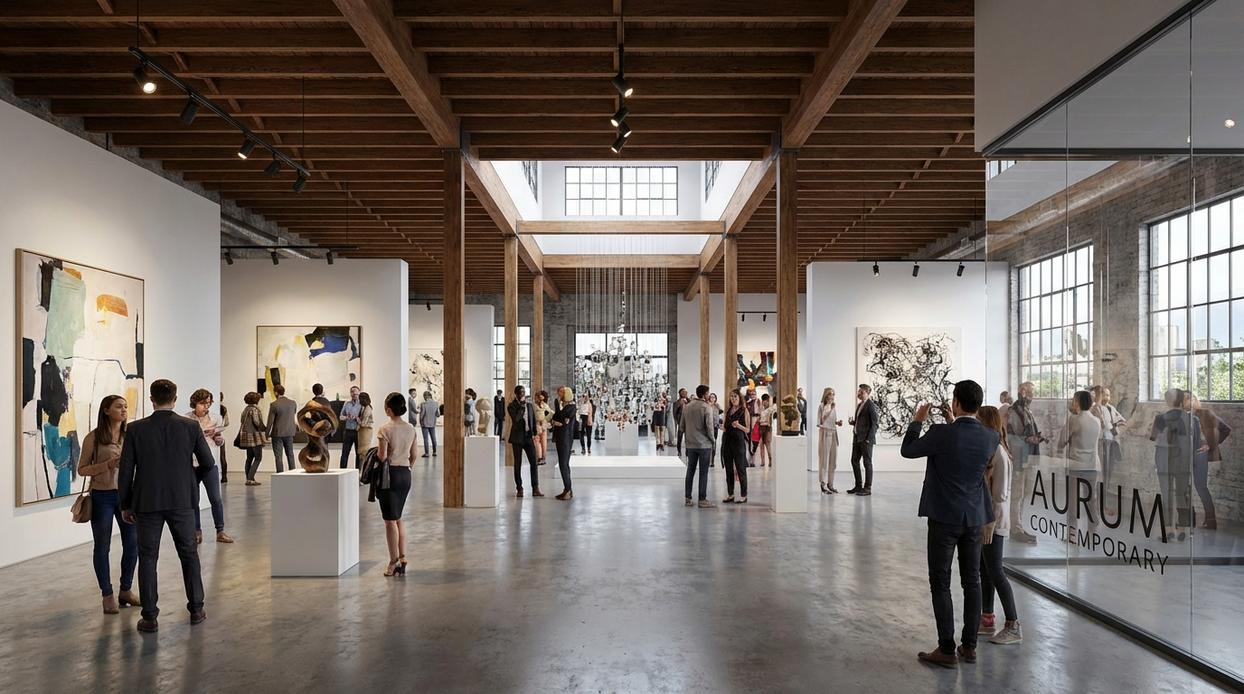
You can feel it before you even touch the canvas.
That’s what I love about oil painting. The way paint becomes more than just color. It becomes a thing you can almost grab.
Walk through any gallery oil paintings arcagallerdate and you’ll see what I mean. Some pieces practically leap off the wall because of how the artist worked the paint itself.
Let me break down three techniques that are changing how we think about oils.
Texture and Impasto
This is where paint gets physical.
Artists load their brushes (or palette knives) with thick globs of oil paint and build up surfaces that cast actual shadows. Vincent van Gogh did this over a century ago, but contemporary painters are taking it further.
If you’re working on your own pieces, try this. Don’t smooth everything out. Let some areas sit heavy on the canvas. The texture catches light differently throughout the day and makes your work feel alive.
The Power of the Glaze
Now here’s the opposite approach.
Instead of piling paint on thick, you layer it thin. Really thin. Each coat is almost transparent, and you let it dry before adding the next one.
What happens? The light passes through multiple layers and bounces back with this glow you can’t get any other way. Old masters knew this trick, and smart contemporary artists still use it. Just as the old masters understood the transformative power of light in their works, contemporary artists continue to harness this technique, as evident in the stunning depth and vibrancy of Arcagallerdate Oil Paintings From Arcyart.
Start with your darkest values and work up to lighter tones. Give each layer time to dry (I know, patience isn’t fun, but it matters).
Mixed Media Innovations
Some artists say you should keep oils pure. I expand on this with real examples in Gallery Paintings Arcagallerdate.
I say that’s limiting.
The best contemporary work I see mixes oil paint with charcoal, collage elements, even digital transfers. You get depth and complexity that straight oil painting can’t match.
Try adding a charcoal drawing as your base, then work oils over it. Or collage in some paper before you start painting. The contrast between materials creates tension that makes people stop and look twice.
How to Engage With and Appreciate Contemporary Art
Most people walk into a gallery and feel lost.
They stare at a canvas covered in splatters or geometric shapes and think “I don’t get it.” Then they leave feeling like art isn’t for them.
That’s backwards.
Contemporary art isn’t some secret club where you need a degree to understand what you’re looking at. But I’ll be honest with you. The way most galleries present work doesn’t help.
Here’s what I do when I look at a piece.
I ignore the title first. I know that sounds weird but titles can box you in before you’ve even seen the work on your own terms.
Start with how it makes you feel. Not what you think you SHOULD feel. What you actually feel standing there.
Does the color palette make you uncomfortable? Good. That might be the point.
Are the brushstrokes chaotic or controlled? That tells you something about the artist’s process (and maybe their headspace when they made it).
Look at the composition. Where does your eye go first? Artists don’t place things randomly. Even in abstract work there’s structure.
Then I read the artist’s statement. Sometimes it clicks everything into place. Sometimes it doesn’t matter at all because the work already spoke to me. I put these concepts into practice in How Art Galleries Work Arcagallerdate.
Ask yourself these questions:
What emotion am I getting from this? Am I supposed to feel calm or rattled? What would this look like in my space? Does it remind me of anything I’ve experienced?
When you’re ready to buy, forget what’s trendy.
I’ve seen people drop thousands on pieces they don’t even like because someone told them it was a good investment. That’s not collecting. That’s just shopping badly.
Start small if you need to. The arcagallerdate oil paintings from arcyart collection shows you don’t need massive scale to make an impact.
Buy what stops you in your tracks. What you want to see every single day.
Consider your space but don’t let it limit you too much. A piece that’s slightly too big for your current apartment might be perfect for where you’ll be in two years.
Set a budget you won’t regret. Art should excite you, not stress you out when the credit card bill comes.
And here’s my real opinion on this.
The contemporary art world acts too precious about itself. You don’t need permission to have a reaction to a painting. Trust what you see and feel.
Your Invitation to Experience Art
You’ve spent time with me exploring what makes contemporary oil paintings at Arca Gallerdate worth your attention.
We covered the techniques. We looked at the themes. We talked about what these artists are trying to say.
But here’s the thing about art: it’s personal.
Our collection brings together different voices and visions. Some will speak to you and some won’t. That’s how it should be.
Now that you understand the context and craft behind these works, you can walk into any gallery with more confidence. You know what to look for and why it matters.
Reading about art only gets you so far though.
You need to see the texture of the paint. You need to stand in front of a piece and feel its scale. You need to experience what happens when you’re alone with a work that moves you. To truly appreciate the transformative power of art, one must understand the nuances of presentation, which is why mastering “How to Get Your Paintings Into a Gallery Arcagallerdate” is essential for any aspiring artist aiming to evoke deep emotional connections with their audience.
Come See for Yourself
I invite you to visit us in person.
The paintings you’ve read about here are waiting. They look different in real life (they always do). The brushwork catches light in ways a screen can’t capture.
Plan your visit today and see what connects with you.

 Zayric Xelvaris has opinions about art gallery news. Informed ones, backed by real experience — but opinions nonetheless, and they doesn't try to disguise them as neutral observation. They thinks a lot of what gets written about Art Gallery News, Art Techniques and Methods, Artist Spotlights and Interviews is either too cautious to be useful or too confident to be credible, and they's work tends to sit deliberately in the space between those two failure modes.
Reading Zayric's pieces, you get the sense of someone who has thought about this stuff seriously and arrived at actual conclusions — not just collected a range of perspectives and declined to pick one. That can be uncomfortable when they lands on something you disagree with. It's also why the writing is worth engaging with. Zayric isn't interested in telling people what they want to hear. They is interested in telling them what they actually thinks, with enough reasoning behind it that you can push back if you want to. That kind of intellectual honesty is rarer than it should be.
What Zayric is best at is the moment when a familiar topic reveals something unexpected — when the conventional wisdom turns out to be slightly off, or when a small shift in framing changes everything. They finds those moments consistently, which is why they's work tends to generate real discussion rather than just passive agreement.
Zayric Xelvaris has opinions about art gallery news. Informed ones, backed by real experience — but opinions nonetheless, and they doesn't try to disguise them as neutral observation. They thinks a lot of what gets written about Art Gallery News, Art Techniques and Methods, Artist Spotlights and Interviews is either too cautious to be useful or too confident to be credible, and they's work tends to sit deliberately in the space between those two failure modes.
Reading Zayric's pieces, you get the sense of someone who has thought about this stuff seriously and arrived at actual conclusions — not just collected a range of perspectives and declined to pick one. That can be uncomfortable when they lands on something you disagree with. It's also why the writing is worth engaging with. Zayric isn't interested in telling people what they want to hear. They is interested in telling them what they actually thinks, with enough reasoning behind it that you can push back if you want to. That kind of intellectual honesty is rarer than it should be.
What Zayric is best at is the moment when a familiar topic reveals something unexpected — when the conventional wisdom turns out to be slightly off, or when a small shift in framing changes everything. They finds those moments consistently, which is why they's work tends to generate real discussion rather than just passive agreement.