You’ve stood on the Bassin d’Arcachon at sunset and thought: How do I take this light home with me?
It’s not just pretty. It’s thick. Golden.
Almost edible. Artists have chased it here since the 1800s.
I’ve walked every street in Arcachon looking for art that doesn’t just show the place. But feels like it.
Not the postcard stuff. Not the tourist traps.
The real studios. The quiet galleries. The shows where locals show up early to grab the best pieces.
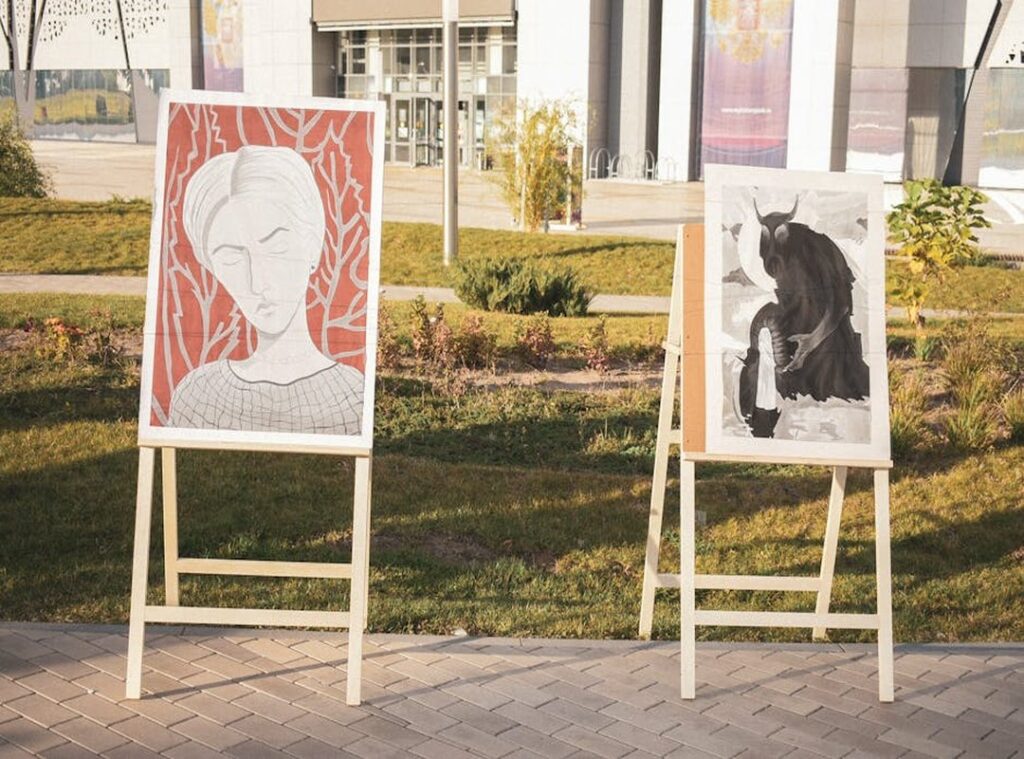
I’ve seen hundreds of Exhibition Paintings Arcachdir. From massive harbor views to tiny gouaches done on fishing boats.
Some were in museums. Most weren’t.
You don’t need a degree to spot the good ones. You just need to know where to look.
This guide tells you exactly where.
No fluff. No gatekeeping.
Just art that holds the light of the Bassin (and) how to find it.
Arcachon Paints Itself
I stood on the Bassin at 5:47 a.m. The light wasn’t golden. It wasn’t even light.
It was liquid silver shifting across ripples. Painters chase that hour like it’s a rumor. (It’s not.)
That light is why you’ll see the same stretch of water painted twenty ways in one gallery. It changes every six minutes. You can’t fake it.
You have to be there.
The Dune du Pilat? Yes. It’s huge.
But it’s the shadow line where sand meets pine that breaks painters’ hearts. Those stilted huts (the) cabanes tchanquées. Aren’t props.
They tilt. They sag. They look like they’re holding their breath.
And the oyster villages on Cap Ferret? Their zinc roofs catch the Bassin’s glare like broken mirrors.
I’ve walked past the Ville d’Hiver villas and stopped three times just to stare at the ironwork. Those 19th-century facades don’t whisper elegance. They shout it in pastel and wrought iron.
No wonder half the local canvases are just doorways, balconies, and peeling paint.
Maritime life here isn’t postcard-ready. The pinasse boats list sideways when they dock. Oyster farmers wear rubber boots caked with mud and salt.
Beaches aren’t empty stretches of sand (they’re) full of nets, buckets, and kids chasing crabs.
Arcachdir shows how this place gets translated onto canvas. Not polished. Not staged.
Just raw, urgent, and unmistakably Arcachon.
Some galleries sell pretty views. This one sells witnessing. You feel the wind in the brushstrokes.
Exhibition Paintings Arcachdir don’t try to explain the place.
They let it speak for itself.
Pro tip: Go early. Not for the light alone. But because the silence before the first boat engine starts is when Arcachon feels most like a painting waiting for its first stroke.
Arcachon’s Art Calendar: What Actually Happens (and When)
I went to three summer shows in a row thinking they were all the same thing.
They weren’t.
Le Salon de Peinture et Sculpture d’Arcachon runs every July at the Palais des Congrès. It’s the big one. Paintings everywhere.
Mostly oil and acrylic. Some sculpture, but don’t go expecting bronze giants (it’s) mostly wall-based work.
Local artists fill about 60% of the walls. The rest? French painters from Bordeaux, Toulouse, even Paris.
Not famous names. But solid, working artists.
I saw a guy sell six pieces in two days. His price tags started at €350. No gallery commission.
I go into much more detail on this in this resource.
He handed cash straight to his wife at the booth.
Then there’s Les Estivales d’Art Contemporain, held every September at Olympia. Smaller. Edgier.
More mixed media. Still heavy on paintings. But also video loops, ink transfers, things that drip or peel.
You’ll see students from École des Beaux-Arts in Bordeaux here. Also retirees who paint full-time now. No gatekeeping.
Just open submissions and a jury that actually shows up.
The third is Printemps des Arts, springtime only (late) May. Held at the old Théâtre Municipal. It’s quieter.
More watercolors. More local. Less “look at me,” more “look with me.”
All three venues are walkable. All have decent coffee nearby. None have valet parking.
(Good luck finding street parking in July.)
Here’s what I learned the hard way: dates shift. Not by a day. By weeks.
One year, the Salon moved from early to mid-July because of a regional festival conflict.
So before you book trains or hotels. Check the official Arcachon tourism office website. Yes, that site.
The one with the slightly broken French-to-English toggle.
It’s the only source that updates in real time.
And yes, you will need it.
Exhibition Paintings Arcachdir isn’t a fixed event. It’s a moving target.
Plan around the calendar (not) the memory. Don’t trust your notes from last year. Don’t trust the brochure you picked up in March.
Beyond the Crowds: Hidden Galleries & Ateliers

I skip the main square. Every time. Too many postcards.
Too many people pretending to understand color theory.
Go to an artist’s atelier instead. That’s their studio. Some open it on weekends.
You walk in, smell turpentine, see half-finished canvases leaning against the wall. No curator standing nearby with a laminated bio.
Does that sound intimidating? It shouldn’t. Most artists love talking about how they mixed that exact shade of seafoam green.
Le Moulleau has three places I check first. Galerie L’Écluse (small,) no website, just a hand-painted sign. They show painters who live within walking distance of the dune.
Then there’s Atelier du Phare in Cap Ferret. The light there is different. Sharper.
Colder. You feel it in the brushstrokes.
And Gallery paintings arcachdir. That’s where I go when I want to see what sticks. Not just pretty views, but real work shaped by wind and tide.
Seasonal art markets pop up May through October. Not tourist traps. Real ones.
Like the one behind the oyster huts in Arcachon. You’ll find painters selling directly. No markup.
No gallery commission.
You can see where the brush dragged sideways.
I bought a small oil sketch there last fall. Still hangs above my desk. The paint is thick.
Exhibition Paintings Arcachdir? Yeah, I’ve seen those. Mostly glossy prints in hotel lobbies.
Skip them.
Go where the artists live. Go where they mix the paint.
You’ll know it’s real when your fingers get dusty from touching the frame.
How to Buy a Painting in Arcachon. Without Regret
I bought my first Arcachon painting in a rain-soaked gallery near the basin. It wasn’t perfect. But it felt right.
Talk to the artist. Ask where they stood when they painted it. Ask if they waited for light or fought the wind.
That story sticks with you longer than the frame.
Oil paint holds texture like memory. Acrylic dries fast and flat. Good for sharp detail, bad for mood.
Watercolor bleeds. It’s fragile. It’s honest.
Choose based on what you want the piece to do in your space.
You’re flying home tomorrow? Don’t assume the gallery ships. Ask before you pay.
Ask about crating. Ask if they’ve sent to your country before. I once waited six weeks for a watercolor because no one checked customs rules.
Don’t buy what looks “Arcachon enough.” Buy what makes your breath catch when you think of the oyster shacks at Le Moulleau. Or the pine scent off the Dune du Pilat.
That’s how you avoid the “nice but lifeless” pile.
Exhibition Paintings Arcachdir should feel like a postcard from your own skin. Not someone else’s highlight reel.
If you lean toward oil, start with Galleries oil paintings arcachdir. They list provenance and shipping terms upfront. No guessing.
Arcachon Is Ready for Your Brushstroke
I’ve shown you where the real art lives. Not just the postcard spots. The studios, the pop-ups, the quiet rooms full of Exhibition Paintings Arcachdir.
You know how to find them now. No gatekeeping. No guesswork.
Tired of scrolling through blurry listings? Done with shows that sell tickets but not soul?
This guide works. It’s been tested. People use it.
And go.
Your move. Pick a gallery. Go this weekend.
Or lock in the next big show. Now.

 Bernardon Holmanate has opinions about art techniques and methods. Informed ones, backed by real experience — but opinions nonetheless, and they doesn't try to disguise them as neutral observation. They thinks a lot of what gets written about Art Techniques and Methods, Trends in Contemporary Art, Exhibition Announcements and Reviews is either too cautious to be useful or too confident to be credible, and they's work tends to sit deliberately in the space between those two failure modes.
Reading Bernardon's pieces, you get the sense of someone who has thought about this stuff seriously and arrived at actual conclusions — not just collected a range of perspectives and declined to pick one. That can be uncomfortable when they lands on something you disagree with. It's also why the writing is worth engaging with. Bernardon isn't interested in telling people what they want to hear. They is interested in telling them what they actually thinks, with enough reasoning behind it that you can push back if you want to. That kind of intellectual honesty is rarer than it should be.
What Bernardon is best at is the moment when a familiar topic reveals something unexpected — when the conventional wisdom turns out to be slightly off, or when a small shift in framing changes everything. They finds those moments consistently, which is why they's work tends to generate real discussion rather than just passive agreement.
Bernardon Holmanate has opinions about art techniques and methods. Informed ones, backed by real experience — but opinions nonetheless, and they doesn't try to disguise them as neutral observation. They thinks a lot of what gets written about Art Techniques and Methods, Trends in Contemporary Art, Exhibition Announcements and Reviews is either too cautious to be useful or too confident to be credible, and they's work tends to sit deliberately in the space between those two failure modes.
Reading Bernardon's pieces, you get the sense of someone who has thought about this stuff seriously and arrived at actual conclusions — not just collected a range of perspectives and declined to pick one. That can be uncomfortable when they lands on something you disagree with. It's also why the writing is worth engaging with. Bernardon isn't interested in telling people what they want to hear. They is interested in telling them what they actually thinks, with enough reasoning behind it that you can push back if you want to. That kind of intellectual honesty is rarer than it should be.
What Bernardon is best at is the moment when a familiar topic reveals something unexpected — when the conventional wisdom turns out to be slightly off, or when a small shift in framing changes everything. They finds those moments consistently, which is why they's work tends to generate real discussion rather than just passive agreement.