
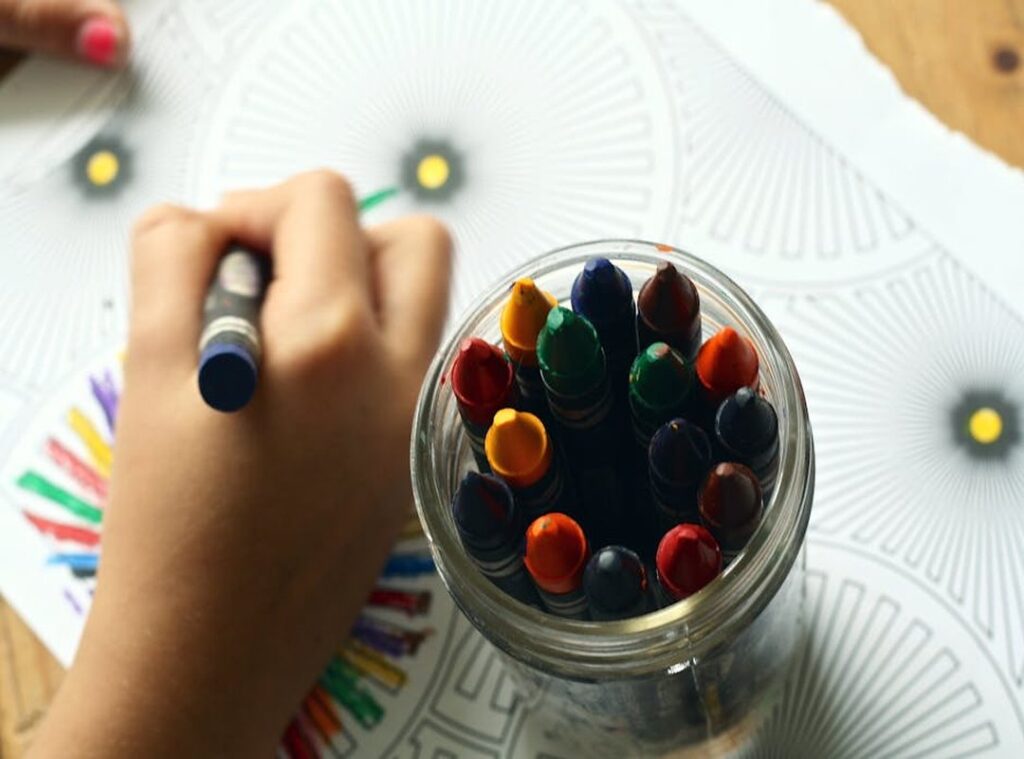
I hate that feeling.
When you scroll through craft sites and everything looks the same.
Same yarn, same glue, same tired silhouette cutouts.
You’re not lazy. You’re bored. And you deserve better than recycled ideas.
This isn’t another list pulled from five random blogs.
I spent weeks digging into what actually stands out. Not just “cute” but fresh, not just easy but interesting.
That’s where Lwmfcrafts Creative Activities From Lookwhatmomfound comes in.
These aren’t theoretical. I tried every one. Some failed (I’ll tell you why).
Others blew me away.
You’ll get real projects. With weird materials, smart shortcuts, and zero fluff.
No vague “add glitter” instructions.
Just clear steps. Real results.
Ready to make something that doesn’t look like everyone else’s?
Denim Meets Lace: A Wall Hanging That Doesn’t Apologize
I cut up my third pair of jeans for this. Not because I ran out of pants. But because the contrast works.
Rough denim. Delicate lace. No middle ground.
Just texture shouting at texture.
This isn’t “crafting” in the soft-pastel, Pinterest-board sense. It’s bohemian-style wall hanging (raw,) intentional, and built to hang above your couch like it owns the room.
You don’t need a sewing machine. You don’t need new fabric. You do need old jeans in different washes (light, dark, faded), scrap lace (vintage doilies count), a wooden dowel, and fabric glue that actually holds.
I lay out the denim strips first. Some long, some jagged, some folded over. Then I drape lace like it’s smoke.
Some pieces go under. Some go on top. There’s no wrong layer.
Only wrong glue placement.
For a more rustic look, fray the edges of the denim strips before gluing them down. (Pro tip: Pull one thread, then snip the edge with pinking shears. Done.)
The dowel? Sand it. Don’t stain it.
Let the wood breathe.
This project lives on Lwmfcrafts, where real people post real makes (not) just pretty pictures.
Lwmfcrafts Creative Activities From Lookwhatmomfound is where I first saw someone use lace from a grandma’s drawer and denim from a thrift bag. And it clicked.
You’re not making decor. You’re making history.
Glue dries fast. Work in sections.
Don’t overthink the pattern.
Your wall doesn’t need permission.
Just hang it.
Terracotta, But Make It Sharp
I paint pots. Not the kind that sit in a garage and collect dust. The kind people stop and ask where you bought.
This is Project 2: Hand-Painted Terracotta Pots with a Modern Twist.
You start with cheap, raw terracotta. Then you wreck the “rustic” vibe on purpose.
No watercolor washes. No sloppy brushstrokes. Just clean lines.
Bold blocks. Empty space that means something.
I use painter’s tape. Not the flimsy stuff from the dollar store. The blue kind that sticks but lifts clean.
Press it down hard. Run your fingernail along the edge. That’s how you get lines so sharp they look machine-cut.
Why bother? Because it takes ten minutes to tape, twenty to paint, and zero skill to make something that costs $48 at West Elm.
You’re not crafting. You’re editing.
Black. White. One pot with gold.
Not gold paint (actual) metallic acrylic that catches light like real metal. (Copper works too if you hate gold.)
Don’t rush the dry time.
That’s the one thing I see every time someone posts a peeling pot online.
Don’t apply the second coat before the first is completely dry. It will lift. It will look sad.
You can read more about this in Lwmfcrafts fun crafts by lookwhatmomfound.
And no, blowing on it doesn’t count as dry.
Let it sit. Walk away. Come back in an hour.
Lwmfcrafts Creative Activities From Lookwhatmomfound has this exact project laid out step-by-step. Including which tape brand won’t bleed.
I tried three before landing on one that actually works.
Your pot shouldn’t look handmade.
It should look chosen.
Faux Stained Glass: Glue, Food Coloring, and Zero Patience
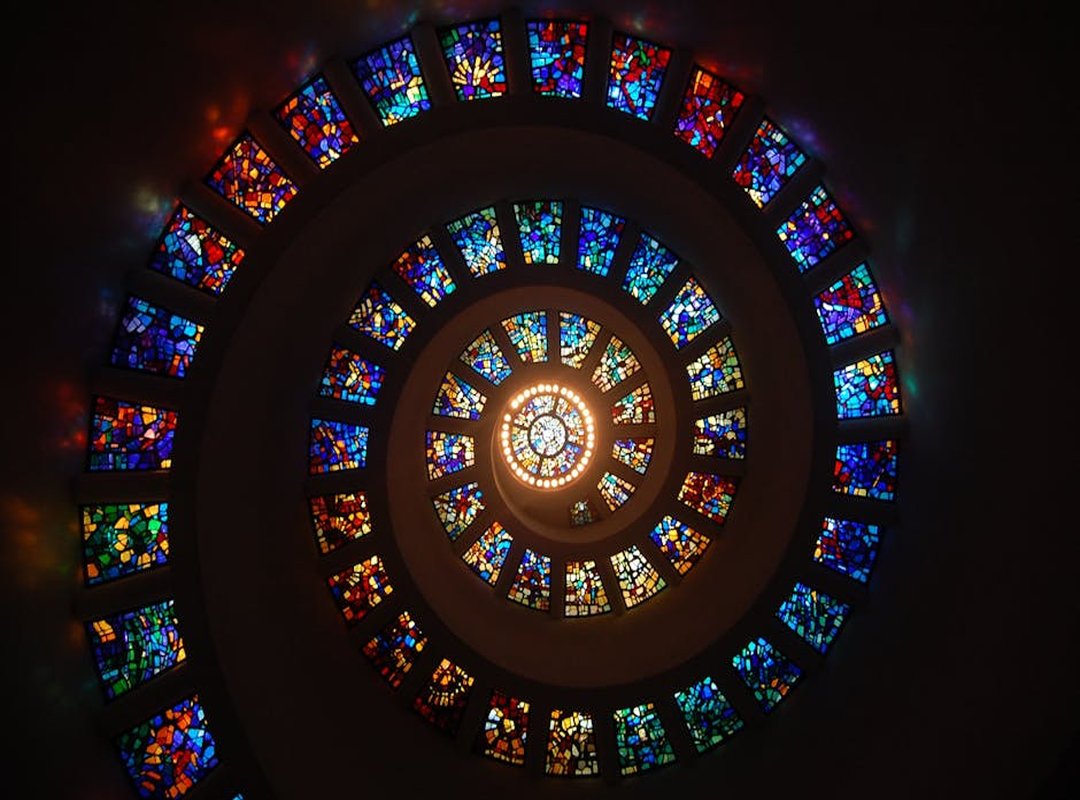
I tried this on a mason jar. Then a picture frame. Then my kid’s old fishbowl (RIP the bowl, not the fish).
It works. Not kinda (it) really works.
You mix clear school glue with food coloring. That’s it. No fancy dyes.
No kiln. No art degree.
Black puffy paint makes clean outlines. A Sharpie works in a pinch (but smudges if you breathe wrong).
I outline first. Always. Skipping that step is like skipping the foundation of a house.
Everything wobbles later.
Then I fill each section with colored glue. Slowly. Because rushing makes colors bleed into each other.
And when it dries? It’s translucent. Not glass-thin, but close enough to fool your eyes in sunlight.
Hold it up to a window. Watch how the light hits the red section. Warm and rich.
The blue glows cool and deep.
That’s the wow. Not the process. The light.
Safety first: open a window. Lay down newspaper. Food coloring stains everything.
Including your favorite shirt (ask me how I know).
Want to make it yours? Draw a sunflower. Or mountains.
Or just squiggles. Abstract wins every time.
This isn’t about perfection. It’s about color catching light in your kitchen at 4 p.m. on a Tuesday.
You’ll find more ideas like this in the Lwmfcrafts Fun Crafts by Lookwhatmomfound collection. Especially the ones where glue does 90% of the work.
Lwmfcrafts Fun Crafts by Lookwhatmomfound
I’ve done this project three times. Each time, I used less glue and got better results.
The first time? I used too much red. It bled into the yellow.
Looked like a traffic accident.
Still hung it on the wall.
Project 4: Nature-Infused Resin Coasters
I press flowers. I pour resin. I’ve ruined three batches trying to rush this.
You’re not making coasters. You’re freezing a moment (a) maple leaf, a violet petal, that weird little seed pod you picked up on your walk (into) something you’ll use every day.
It’s functional art. Not “art” that sits on a shelf. It’s the thing that saves your table from a sweating glass.
The supplies are simple: coaster molds, two-part epoxy resin, and dried natural elements.
That last part? Dried is non-negotiable. If your flower has even a whisper of moisture, it turns cloudy. Or bubbles.
Completely dry means crisp. Means crumbly. Means it’s been in silica gel or under heavy books for at least a week.
Or both. (Yes, I learned this the hard way.)
Pour the resin in two thin layers. The first layer anchors your flowers. The second ensures a smooth, level top surface.
Skip the double pour and you’ll get uneven edges or half-buried petals. Not cute.
This is where patience beats speed every time.
I’ve done this with kids, grandparents, and my skeptical uncle who said “resin is just fancy glue.” He was wrong.
If you want more hands-on ideas like this one, check out the Activities Brought to You by Lookwhatmomfound Lwmfcrafts.
Start Your Next Creative Masterpiece Today
I’ve seen how stuck people get with the same old glue-and-glitter routine. You’re tired of repeating projects that feel like homework.
You don’t need fancy tools or genius-level ideas. Just four real, working concepts. Simple, fresh, and yours to try right now.
That’s what Lwmfcrafts Creative Activities From Lookwhatmomfound gives you. Not theory. Not fluff.
Actual starting points.
You already know which one you’ll try first. (Admit it.)
So go cut something. Paint something wrong. Tape something together that shouldn’t hold.
Your hands are ready. Your brain is bored. Your next project is waiting.
Grab the list. Pick one. Do it before dinner.
No prep. No permission. Just start.

 Bernardon Holmanate has opinions about art techniques and methods. Informed ones, backed by real experience — but opinions nonetheless, and they doesn't try to disguise them as neutral observation. They thinks a lot of what gets written about Art Techniques and Methods, Trends in Contemporary Art, Exhibition Announcements and Reviews is either too cautious to be useful or too confident to be credible, and they's work tends to sit deliberately in the space between those two failure modes.
Reading Bernardon's pieces, you get the sense of someone who has thought about this stuff seriously and arrived at actual conclusions — not just collected a range of perspectives and declined to pick one. That can be uncomfortable when they lands on something you disagree with. It's also why the writing is worth engaging with. Bernardon isn't interested in telling people what they want to hear. They is interested in telling them what they actually thinks, with enough reasoning behind it that you can push back if you want to. That kind of intellectual honesty is rarer than it should be.
What Bernardon is best at is the moment when a familiar topic reveals something unexpected — when the conventional wisdom turns out to be slightly off, or when a small shift in framing changes everything. They finds those moments consistently, which is why they's work tends to generate real discussion rather than just passive agreement.
Bernardon Holmanate has opinions about art techniques and methods. Informed ones, backed by real experience — but opinions nonetheless, and they doesn't try to disguise them as neutral observation. They thinks a lot of what gets written about Art Techniques and Methods, Trends in Contemporary Art, Exhibition Announcements and Reviews is either too cautious to be useful or too confident to be credible, and they's work tends to sit deliberately in the space between those two failure modes.
Reading Bernardon's pieces, you get the sense of someone who has thought about this stuff seriously and arrived at actual conclusions — not just collected a range of perspectives and declined to pick one. That can be uncomfortable when they lands on something you disagree with. It's also why the writing is worth engaging with. Bernardon isn't interested in telling people what they want to hear. They is interested in telling them what they actually thinks, with enough reasoning behind it that you can push back if you want to. That kind of intellectual honesty is rarer than it should be.
What Bernardon is best at is the moment when a familiar topic reveals something unexpected — when the conventional wisdom turns out to be slightly off, or when a small shift in framing changes everything. They finds those moments consistently, which is why they's work tends to generate real discussion rather than just passive agreement.