
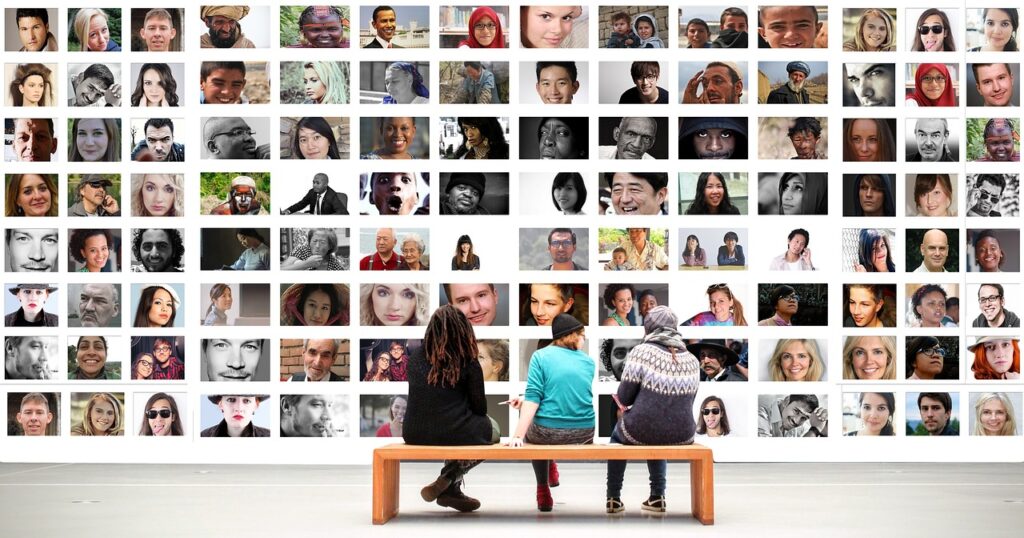
Defining the Vision
At its core, curating an exhibition starts with a question: What are we trying to say, and why now? The best curators don’t chase trends they respond to them thoughtfully, building concepts around cultural moments, historical relevance, or timeless themes. That guiding idea shapes everything from the artist lineup to the wall text. Whether it’s climate change, identity, or a forgotten chapter of history, the goal is to spark conversation and create meaning.
But even vision needs boundaries. A great exhibit also works for its audience not just the art world elite. Curators juggle aesthetics with accessibility. Too abstract and you lose people. Too simple and you might flatten the message. The trick is to balance risk with readability, pulling people in with compelling work and giving them enough context to care.
Then come the logistics. Not every idea fits every venue. Space limitations shape layout. Collection goals influence which pieces get top slots. And community relevance cultural resonance, local voices, historical context keeps exhibits grounded. A show isn’t dropped in from above. It’s built in conversation with its place and its public.
Artist Selection and Collaboration
Curating isn’t just picking beautiful work off a list. It’s a deliberate process, shaped by context and conversation. Choosing which artists to feature whether rising names or established figures isn’t a simple either or. Emerging artists bring fresh perspectives and timely urgency. Established voices offer depth, history, and existing resonance with audiences. The best exhibits make room for both, letting their contrast create friction, dialogue, or clarity.
But selection is only the start. Curators work hand in hand with artists, refining which pieces are shown, how they’re arranged, and the story they’re telling together. This isn’t a top down process. It’s a back and forth negotiations about meaning, representation, and relevance. Themes shift subtly in these conversations. Sometimes entirely new narratives emerge.
Cultural sensitivity plays a big role here. Picking a piece without understanding its roots, or placing it beside the wrong context, can come off tone deaf especially with work that deals in identity, memory, or social critique. So curators need to know not just what a piece is, but what it says in this time and this space. Every selection is part of a larger story. The job is to make sure that story holds together and speaks clearly.
The Logistics You Don’t See
Behind every stunning art exhibit is a team of professionals orchestrating an intricate operation that most visitors will never notice. While the final product looks effortless, the process involves immense planning, precision, and behind the scenes collaboration.
Planning Ahead: A Long Term Timeline
Curating a major art exhibition isn’t something that happens overnight. In fact, for many institutions, planning begins 12 to 24 months in advance.
Exhibit themes are often finalized years out to allow time for research, artist selection, and narrative development.
Loan negotiations, insurance paperwork, and customs clearance for international pieces can take months.
Coordinating with other institutions for traveling exhibitions requires aligned schedules and logistics well in advance.
Moving the Art: Transport & Installation
Once artworks are selected, the challenge becomes physically bringing them into the space. That process involves:
Specialized art handlers and climate controlled transportation, often with security escorts
Custom crate fabrication to protect delicate or high value pieces
Timed installations to avoid damage and minimize exposure to fluctuating temperatures or light
Lighting and positioning are also carefully calibrated. Every spotlight, shadow, and sightline impacts how visitors engage with the work.
Coordinated Teamwork: Behind Every Successful Show
To bring exhibits to life, curators rely on a network of internal and external experts.
Registrar teams manage the movement, documentation, and condition reports of every piece.
Conservators assess each item’s stability, advising on what can or can’t be displayed and for how long.
Exhibition designers translate curatorial vision into physical space, designing layouts, signage, and interactive elements.
In many ways, these partnerships are the hidden foundation of a successful exhibit. Without their coordination, the art couldn’t safely or meaningfully be shared with the public.
Accessibility and Audience Experience
At ground level, a well curated exhibit isn’t just about what’s on the walls it’s about how people interact with the space. Designing an effective flow means understanding the rhythm of attention. Do visitors need a visual breather? Can they physically move without bottlenecks? Strong design guides people naturally from one piece to the next, building a quiet narrative as they go.
But flow means nothing if not everyone can experience it. Inclusion is no longer optional it’s built in from the start. That means multilingual labels, alt text for digital displays, and sensory accommodations for visitors with autism or PTSD. It also means offering virtual tours or AR options for those who can’t physically attend.
Museums are also getting smarter about programming. A good exhibit doesn’t end with the final sculpture it extends into gallery talks, school workshops, and live demos that pull the public deeper. The more immersive the experience, the more memorable it becomes and the more value it brings back to the community.
The Role of Local Engagement
Strong exhibits don’t just speak to global themes they listen to local voices. More curators are partnering with community groups, neighborhood art councils, and regional advisory panels to root exhibits in place and meaning. It goes beyond tokenism. These partnerships bring layered insights, lived experience, and critical context that can’t be Googled.
Supporting regional talent is just as vital. Elevating artists from the surrounding area gives weight to the exhibit, helping audiences see reflections of their own communities. Local creators often bring perspectives that challenge assumptions or reveal cultural threads outsiders miss. And their presence shifts the gallery from a passive viewing space to an active cultural mirror.
This isn’t performative. Done right, it’s foundational. For a closer look at how grassroots spaces have been leading this for years, check out The Role of Community Art Galleries in Supporting Local Artists.
Challenges Curators Face in 2026
Curating used to be about what’s on the wall. Now, it’s also about what’s behind the scenes, what it costs, and who gets represented. In 2026, curators face the hard math of shrinking budgets while being expected to deliver bigger, more immersive, tech driven exhibits. Visitors want to feel something, be surrounded, interact not just observe. That kind of engagement doesn’t come cheap.
At the same time, the ethics around collecting and representation are under more scrutiny than ever. Who gets highlighted? Whose narratives are being told and who decides? Curators are increasingly expected to justify where work comes from, why it’s being shown, and whether it adds to or distracts from a broader cultural conversation. There’s no room for neutrality anymore.
Add to this a visitor base with expectations shaped by streaming platforms and social media fast, intuitive, personalized. Exhibits now compete with attention spans built around swipes and scrolls. The challenge isn’t just to educate but to connect. That means faster iteration cycles, more inclusive design, and thinking like a storyteller, producer, and experience designer all at once.
Looking Forward
Exhibit development isn’t just about intuition and aesthetics anymore. Data is playing a bigger role from tracking visitor movement through galleries to analyzing dwell time in front of specific pieces. Curators are combining heat maps with surveys and even AI assisted insights to shape layout, flow, and content focus. It’s not soulless; it’s strategic. The goal isn’t more screens it’s more intention.
Technology also shapes how narratives are told. Interactive displays, AR overlays, and immersive audio shifts aren’t just gimmicks they’re tools to deepen connection. Done right, they help visitors feel rather than just view. Done poorly, they distract. Sharp curators know the line.
Then there’s sustainability. Exhibits are rethinking material use ditching plastics, reusing rigging, sourcing locally. Shipping crates are designed for second lives. Temporary walls get recycled or repurposed. This isn’t just about optics; it’s about budgets and long term responsibility.
And the curator? The role is evolving. It’s no longer about just selecting and arranging. Today’s curators act as cultural translators bridging artistic vision with institutional goals, public interest, and ethical accountability. They’re part editor, part producer, part strategist. The art world may still love its tradition, but the people behind the exhibits are anything but stuck in the past.

 Ask Gabrielo Bradfordsicker how they got into artist spotlights and interviews and you'll probably get a longer answer than you expected. The short version: Gabrielo started doing it, got genuinely hooked, and at some point realized they had accumulated enough hard-won knowledge that it would be a waste not to share it. So they started writing.
What makes Gabrielo worth reading is that they skips the obvious stuff. Nobody needs another surface-level take on Artist Spotlights and Interviews, Exhibition Announcements and Reviews, Art Gallery News. What readers actually want is the nuance — the part that only becomes clear after you've made a few mistakes and figured out why. That's the territory Gabrielo operates in. The writing is direct, occasionally blunt, and always built around what's actually true rather than what sounds good in an article. They has little patience for filler, which means they's pieces tend to be denser with real information than the average post on the same subject.
Gabrielo doesn't write to impress anyone. They writes because they has things to say that they genuinely thinks people should hear. That motivation — basic as it sounds — produces something noticeably different from content written for clicks or word count. Readers pick up on it. The comments on Gabrielo's work tend to reflect that.
Ask Gabrielo Bradfordsicker how they got into artist spotlights and interviews and you'll probably get a longer answer than you expected. The short version: Gabrielo started doing it, got genuinely hooked, and at some point realized they had accumulated enough hard-won knowledge that it would be a waste not to share it. So they started writing.
What makes Gabrielo worth reading is that they skips the obvious stuff. Nobody needs another surface-level take on Artist Spotlights and Interviews, Exhibition Announcements and Reviews, Art Gallery News. What readers actually want is the nuance — the part that only becomes clear after you've made a few mistakes and figured out why. That's the territory Gabrielo operates in. The writing is direct, occasionally blunt, and always built around what's actually true rather than what sounds good in an article. They has little patience for filler, which means they's pieces tend to be denser with real information than the average post on the same subject.
Gabrielo doesn't write to impress anyone. They writes because they has things to say that they genuinely thinks people should hear. That motivation — basic as it sounds — produces something noticeably different from content written for clicks or word count. Readers pick up on it. The comments on Gabrielo's work tend to reflect that.