
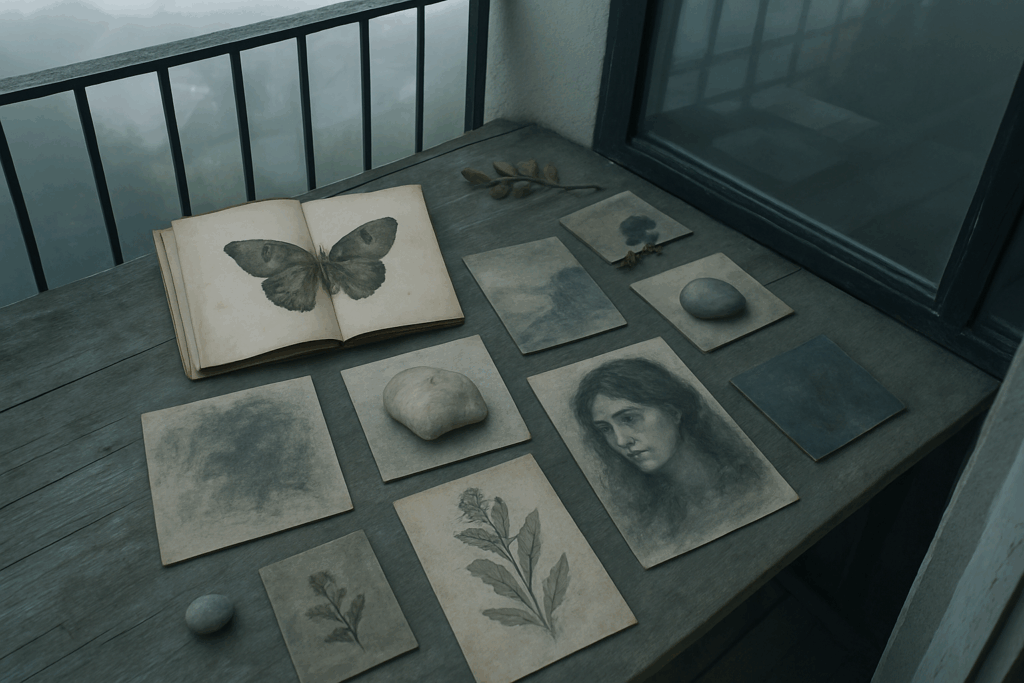
Blending Mediums: The New Gallery Standard
The line between digital and traditional art isn’t just blurry it’s gone. Artists aren’t choosing one or the other anymore. They’re stacking them, folding them, blending them into something that doesn’t fit a single category. Oil paint meets projection. Bronze sculptures trigger light animations when someone walks by. Canvases hide layers of augmented reality that unlock with a phone.
This isn’t gimmickry it’s intent. These hybrid works speak to how people experience the world now: layered, digital, physical, all at once. For audiences used to swapping between screens and realities, traditional art alone can feel too static. Add movement, interactivity, and tech driven depth, and suddenly, they lean in.
That’s why contemporary galleries are shifting. Not just to showcase skills, but to reflect how art and life is increasingly mixed media by nature.
What Makes Mixed Media So Powerful
Mixed media grabs your attention because it doesn’t just sit on a wall it moves, it sounds, it glows, it shifts depending on where you stand. Artists are engaging the full range of human senses, combining tactile materials, ambient soundscapes, dynamic lighting, and motion triggered elements. Texture meets technology. Paint blends with projection. A sculpture might pulse when you walk past it.
This isn’t performance art. It’s responsive art. It breaks the fourth wall simply by refusing to stay static. A viewer’s presence completes the piece a camera tracks movement and shifts the visuals accordingly; a sound sensor activates audio layers when someone speaks. This kind of interaction changes the gallery from a space of observation to one of participation.
What’s especially compelling now are the narrative shifts. Old formats are being re engineered. Traditional portraits gain depth through looping video overlays. Landscapes flicker between seasons in real time via embedded screens. Stories that used to live in a single frame now jump, loop, and morph with the help of code. It’s not about replacing the old it’s about enhancing it with new tools that speak the language of today.
How Curators Are Embracing Innovation
Blending physical art with digital elements isn’t as simple as plugging in a projector next to a painting. Galleries are wrestling daily with how to balance tradition and tech without one overpowering the other. Lighting, spacing, materials all of it becomes a negotiation. A glowing AR figure next to a soft graphite sketch can clash if curators don’t consider visual pacing and spatial hierarchy.
Then there’s the tech itself. Interactive art frequently needs climate control, power access, and even network connections. Many galleries weren’t built for these demands. So spaces are being retrofitted walls reinforced for projection rigs, floors replanned for motion sensors, and even acoustics fine tuned for sound reactive pieces. It’s costly, but essential. If the tech fails, the piece doesn’t just underwhelm it doesn’t work.
What’s clear is that audiences are hungry for work that lives in the crossover zone. Exhibitions exploring the tension between tangible and virtual between what you can touch and what responds to touch are drawing record attendance. There’s a thrill in watching worlds collide. And for curators, it’s a shift from being caretakers of objects to architects of experience.
Artists Pioneering the Space
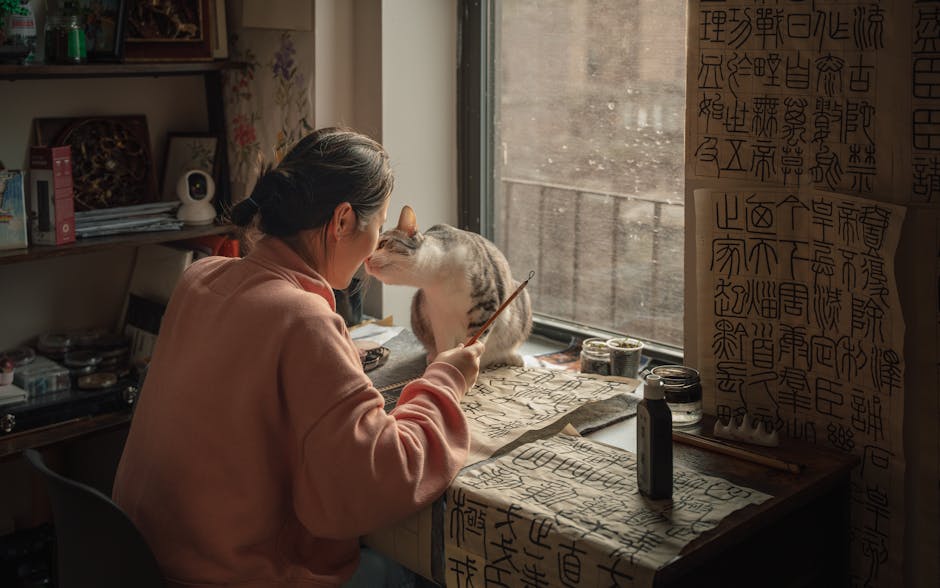
Some of the most exciting names in the mixed media scene today aren’t just blending materials they’re layering meaning. Artists like Cao Fei, who fuses film, VR, and installation to tackle globalization and identity, or Refik Anadol, known for turning data into immersive environments, are making serious waves. These are creators who aren’t content staying in one lane they’re more interested in blowing up the road entirely.
At the same time, academic circles are pushing critical theory into the gallery through experimental formats. MFA programs have become incubators for mixed method work, where digital tech meets formal training. On the other end, independent and underground artists often self taught are reshaping the aesthetic through pop up shows, warehouse installations, and virtual spaces. The difference? The tone. Academia leans intellectual, while underground spaces lean raw and immediate. Both add layers. Neither is ornamental.
And then there’s social media. Instagram and TikTok aren’t just marketing platforms; they’ve become visual reference points. Grid layouts and viral aesthetics are bleeding into curation strategies. You can see it in neon lighting choices, looping motion, and selfie ready installations constructed more for live viewers than archival legacy. The camera’s eye is now part of the artwork’s structure, whether artists admit it or not. In short: if it doesn’t translate to screen, it may not make the wall.
What to Look for Right Now
Mixed media in 2024 isn’t just about combining paint and pixels it’s about weaving deeper ideas into how art is made and experienced. Themes like digital memory, fragmented identities, and environmental storytelling are dominating new exhibitions. These reflect the online haze we live in: data overload, shifting self image, and the looming presence of a changing climate. Artists are making that internal chaos tactile.
The tools? Projection mapped textures that breathe onto canvas. Looping video canvases that demand multiple viewings. Kinetic objects that move with audience proximity or react to programmed triggers. These aren’t gimmicks they’re engineering choices made to support narrative and concept.
For those wanting to see these ideas in action, a new wave of exhibitions is testing the edges. Institutions once known for paintings alone are now mixing digital surfaces with sculpture and sound. Some highlights can be found in current exhibitions, where the line between physical and virtual art is not just blurred it’s becoming irrelevant.
Investing in Mixed Media
For collectors, mixed media is no longer on the fringe it’s a serious contender. But the game is different. Traditional concerns like conservation still matter, especially when fragile materials meet tech that can age out fast. A video loop over oil paint might look striking now, but what happens when the screen fails ten years down the line? These artworks need ongoing care, not just a climate controlled wall.
Value, too, is evolving. Mixed media strikes a balance between scarcity and innovation. Works that fuse rare physical techniques with digital interaction are often one of a kind not just in form, but in experience. And that experience is what modern collectors are buying into. It’s not just about ownership, it’s about presence.
Provenance in this space can be murky, which is where digital certificates and NFTs are beginning to matter. They don’t just shout “authentic” they track the lifespan of the work, from creator to collector. Smart collectors aren’t just buying the art; they’re buying its digital DNA.
Big institutions and risk ready buyers see this genre as a frontier. The art is harder to store, harder to insure, and harder to explain. But that challenge is the draw. For some, owning a reactive sculpture or augmented canvas is not just about taste it’s about signaling investment in where art is heading next.
Stay Engaged
Mixed media isn’t slowing down it’s multiplying. Artists, curators, and tech minded creatives are pushing once clear boundaries even further. With each new exhibition, you’re more likely to see something that shifts, pulses, or responds to your presence. Static paintings are merging with live data feeds. Sculptures are listening. Galleries aren’t just spaces they’re starting to behave like living systems.
To stay ahead of where it’s all going, keep tabs on current exhibitions. These aren’t just shows they’re testbeds for what’s next. Expect to see more AI assisted pieces that evolve over time or installations that change based on who walks through the door. Think less frame on wall, more generative canvas. What was once experiment is quickly becoming standard.
The line between traditional and digital is getting thinner. Some might say it’s gone. Either way, the gallery of the future is already here you just have to show up and experience it.

 Ask Gabrielo Bradfordsicker how they got into artist spotlights and interviews and you'll probably get a longer answer than you expected. The short version: Gabrielo started doing it, got genuinely hooked, and at some point realized they had accumulated enough hard-won knowledge that it would be a waste not to share it. So they started writing.
What makes Gabrielo worth reading is that they skips the obvious stuff. Nobody needs another surface-level take on Artist Spotlights and Interviews, Exhibition Announcements and Reviews, Art Gallery News. What readers actually want is the nuance — the part that only becomes clear after you've made a few mistakes and figured out why. That's the territory Gabrielo operates in. The writing is direct, occasionally blunt, and always built around what's actually true rather than what sounds good in an article. They has little patience for filler, which means they's pieces tend to be denser with real information than the average post on the same subject.
Gabrielo doesn't write to impress anyone. They writes because they has things to say that they genuinely thinks people should hear. That motivation — basic as it sounds — produces something noticeably different from content written for clicks or word count. Readers pick up on it. The comments on Gabrielo's work tend to reflect that.
Ask Gabrielo Bradfordsicker how they got into artist spotlights and interviews and you'll probably get a longer answer than you expected. The short version: Gabrielo started doing it, got genuinely hooked, and at some point realized they had accumulated enough hard-won knowledge that it would be a waste not to share it. So they started writing.
What makes Gabrielo worth reading is that they skips the obvious stuff. Nobody needs another surface-level take on Artist Spotlights and Interviews, Exhibition Announcements and Reviews, Art Gallery News. What readers actually want is the nuance — the part that only becomes clear after you've made a few mistakes and figured out why. That's the territory Gabrielo operates in. The writing is direct, occasionally blunt, and always built around what's actually true rather than what sounds good in an article. They has little patience for filler, which means they's pieces tend to be denser with real information than the average post on the same subject.
Gabrielo doesn't write to impress anyone. They writes because they has things to say that they genuinely thinks people should hear. That motivation — basic as it sounds — produces something noticeably different from content written for clicks or word count. Readers pick up on it. The comments on Gabrielo's work tend to reflect that.