
Setting the Scene
The gallery space is stripped down no distractions, no gimmicks. Just white walls, clean lines, and carefully measured light. Each painting is given room to breathe. You don’t feel rushed; the layout invites a slow, deliberate walk. The pacing is intentional, guiding viewers from one emotional register to the next without jarring shifts. Larger canvases are interspersed with smaller, more intimate ones, creating a rhythm that’s felt as much as seen.
Lighting plays a quiet but crucial role. Soft overheads avoid harsh shadows and let the texture of the oil work show through those thick, moody brush strokes and layered surfaces that demand a second look. It’s not dramatic lighting, but it does just enough.
The exhibition explores landscapes not as representations of place, but as reflections of inner states. Rolling hills, cloud choked skies, fractured coastlines they’re not just scenic postcards. Each one serves as a mood in itself, a stand in for something unsaid. This is less about geography and more about psychology. The land becomes mirror.
That’s the thread tying the curation together: landscapes as emotional memory, as lived sensation. Whether you recognize the place or not doesn’t matter. What sticks is how it makes you feel.
Standout Works in the Collection
Three paintings stood out not because of scale or flair, but because they knew how to make you feel something beyond the frame.
First, Twilight over Hollow Creek grabbed attention with its coarse brush stabs and muted greys washed in rust red. It’s not loud. Just lonely. The painter layered pigment like memory sharp in some places, fading out in others. It leans expressionist, expression drawn not in faces, but in the claustrophobic forest that holds the canvas like a vice. You feel the kind of solitude that isn’t sad, just bracingly quiet.
Then there’s Mirage Field. Pale yellows under a haze of soft cobalt. Barely a path cut through the scene, but that’s the point it’s less a place, more a feeling. There’s something impressionist in play, but not textbook; it uses abstraction as a fog, luring the viewer with light, then pausing. Here, color does the heavy lifting. Wonder hangs in the softness, but it’s edged with hesitation. It makes you ask where you came from and if you’re still on track.
Lastly, Echo Shelf a coastal scene, but stripped of cliché. The rocks aren’t solid; they swim. Waterline and sky blur into each other through dry brush strokes that look accidental but clearly aren’t. Nostalgia radiates from the scene, not because it reminds you of something, but because it reminds you that you’ve forgotten something. Influences skew toward a dreamlike realism, but cooler. Controlled. Reflective.
These pieces don’t shout for your attention. They wait. Then they ask: where have you been lately in your head, in your heart? The best emotional landscapes don’t show you the world. They show you yourself.
Interpreting the Emotional Language
This exhibition doesn’t just show landscapes it uses them. Artists here lean on landforms and horizons as visual metaphors for inner experience. A jagged cliff edge becomes doubt. A low, uninterrupted horizon mirrors quiet resolve. These aren’t postcard perfect settings; they’re coded emotional fields.
Look closely, and you’ll notice skies doing heavy narrative work. Gray, vast, unbroken skies lean into melancholy. Thin streaks of pink or amber suggest hope that doesn’t quite arrive. Shadows creep in from the edges of canvases not as lighting details, but as stand ins for anxiety or the unknown. Waterlines are rarely calm; they shift and ripple, barely contained, like emotional pressure quietly mounting.
There are clear motifs that stitch this show together. Distant figures alone in vast fields. Fences that start and stop without reason. A recurring use of negative space that creates both openness and tension. These visuals don’t repeat by accident they’re the connective tissue hinting at shared but unspoken feelings. In this exhibition, nature becomes a coded language, and every valley or skybreak waits patiently to be read.
Curatorial Strengths
Good curation doesn’t just hang art it choreographs a journey. In this exhibition, the emotional pacing felt intentional. Pieces weren’t grouped by artist or color scheme, but by emotional rhythm. A quiet, meditative canvas was followed by something more stormy or urgent. That flow created a kind of emotional movement like hiking through internal weather.
What helped was the variety among the artists. Each one brought a unique way of seeing, yet no voice overpowered the others. One painting showed a floodplain at dusk, minimalist and drained of color. The next pulsed with angry reds and smears of heavy oil, framing a jagged coastline. These shifts didn’t clash they complemented. You moved between inner calm and chaos without losing the thread.
Size and palette choices played into that contrast too. Small canvases pulled you in with intimacy. Large works opened like windows into vast, uncertain terrain. Cool blues set next to raw ochres jarred the senses in a good way. It was more than aesthetics it was emotional punctuation.
Artistic Innovation
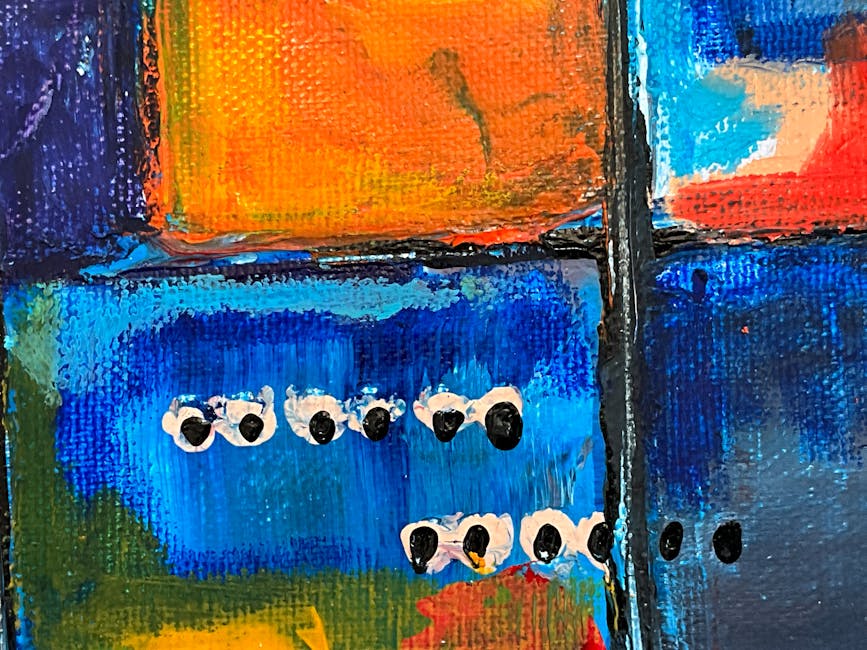
Oil painting has been around for centuries, but the artists in this exhibition aren’t afraid to shake it up. They’re turning toward experimentation not just in theme, but with the medium itself. Traditional landscapes get reimagined with bold knife strokes, unexpected color juxtapositions, and layered glazing that gives each canvas a pulsing internal life.
One painter uses thick, almost sculptural texture to pull depth out of a flat shoreline; another flattens space entirely, layering muted tones until the horizon becomes a quiet blur of memory. These aren’t nostalgic throwbacks they’re meditations on nature as felt, not simply seen. The oil technique itself becomes part of the message: the cracked surface, the smeared edges, the unfinished elements that hint at impermanence.
Texture plays a starring role. What might look like a foggy sky from ten feet away reveals a chaos of impasto and scratched underpaint when viewed up close. It’s visual storytelling without words pages layered not in ink, but in oil and motion. That commitment to material honesty grounds the entire exhibition. Not just nature reimagined, but the medium itself pushed to a more emotive edge.
Where to See More
For those who want to dive deeper, many of the featured artists in this exhibition are also represented in the oil gallery selection. That broader collection shows how today’s oil painters are expanding the visual language of landscapes how they’re mixing traditional scenery with bolder, emotional perspectives. It’s a good snapshot of where the medium is heading.
Even if you missed the gallery in person, the full selection remains accessible online. You can explore the continuing evolution of oil landscapes, pause with each piece, and absorb the quiet power that this medium still holds. The work is built to last and the stories behind the brushstrokes are ongoing.
Final Impressions
Art That Reflects the Inner and Outer World
The strength of Emotional Landscapes lies in its ability to draw an emotional parallel between what’s seen and what’s felt. The curated collection doesn’t just depict nature it channels memory, introspection, and feeling through every brushstroke and color choice. This is a landscape exhibition that quietly compels the viewer to experience not only the painting, but part of their own inner terrain.
Paintings act as emotional mirrors from expansive skies to delicate shadows
Viewers leave with a sense of personal connection, not just visual appreciation
A Fusion of Tradition and Innovation
The exhibition achieves a rare balance: honoring decades of landscape oil painting tradition while also showcasing contemporary approaches that challenge expectations. The visual language remains familiar, yet the methods layering, abstraction, unconventional composition offer something new.
Classic oil techniques are reinvented to convey modern sentiments
Innovative use of texture and form highlights the medium’s flexibility
A Show Worth Experiencing
Ultimately, Emotional Landscapes succeeds as a thoughtfully orchestrated experience. It’s more than a collection it’s a meditation on how emotion lives in landscape, and how art can guide us inward.
Cohesive storytelling across diverse artistic voices
A reflection on the timeless relationship between people and place

 Bernardon Holmanate has opinions about art techniques and methods. Informed ones, backed by real experience — but opinions nonetheless, and they doesn't try to disguise them as neutral observation. They thinks a lot of what gets written about Art Techniques and Methods, Trends in Contemporary Art, Exhibition Announcements and Reviews is either too cautious to be useful or too confident to be credible, and they's work tends to sit deliberately in the space between those two failure modes.
Reading Bernardon's pieces, you get the sense of someone who has thought about this stuff seriously and arrived at actual conclusions — not just collected a range of perspectives and declined to pick one. That can be uncomfortable when they lands on something you disagree with. It's also why the writing is worth engaging with. Bernardon isn't interested in telling people what they want to hear. They is interested in telling them what they actually thinks, with enough reasoning behind it that you can push back if you want to. That kind of intellectual honesty is rarer than it should be.
What Bernardon is best at is the moment when a familiar topic reveals something unexpected — when the conventional wisdom turns out to be slightly off, or when a small shift in framing changes everything. They finds those moments consistently, which is why they's work tends to generate real discussion rather than just passive agreement.
Bernardon Holmanate has opinions about art techniques and methods. Informed ones, backed by real experience — but opinions nonetheless, and they doesn't try to disguise them as neutral observation. They thinks a lot of what gets written about Art Techniques and Methods, Trends in Contemporary Art, Exhibition Announcements and Reviews is either too cautious to be useful or too confident to be credible, and they's work tends to sit deliberately in the space between those two failure modes.
Reading Bernardon's pieces, you get the sense of someone who has thought about this stuff seriously and arrived at actual conclusions — not just collected a range of perspectives and declined to pick one. That can be uncomfortable when they lands on something you disagree with. It's also why the writing is worth engaging with. Bernardon isn't interested in telling people what they want to hear. They is interested in telling them what they actually thinks, with enough reasoning behind it that you can push back if you want to. That kind of intellectual honesty is rarer than it should be.
What Bernardon is best at is the moment when a familiar topic reveals something unexpected — when the conventional wisdom turns out to be slightly off, or when a small shift in framing changes everything. They finds those moments consistently, which is why they's work tends to generate real discussion rather than just passive agreement.