You’ve seen it.
That glossy magazine at the airport with a celebrity artist on the cover.
Then you’ve also seen the thin, unassuming journal tucked into a curator’s tote bag (no) ads, no headlines, just footnotes and citations.
Which one actually matters?
I’m tired of watching artists waste time pitching to the wrong places. Or collectors buying work based on hype instead of substance. Or writers chasing clicks instead of credibility.
Here’s what I know: visibility isn’t authority.
And authority doesn’t shout.
I’ve read every issue of dozens of art journals. Sat in on editorial meetings. Watched how museums build bibliographies.
Tracked which publications scholars cite. And which ones they ignore.
Famous Art Articles Artypaintgall isn’t a brand. It’s a filter.
A way to spot real weight behind the words.
This isn’t about prestige. It’s about who listens (and) why.
You’ll learn how to tell the difference without needing an MFA. No gatekeeping. No jargon.
Just clear signs.
I’ll show you exactly what curators, academics, and serious dealers look for.
Not what looks good on Instagram.
Read this. And stop guessing.
Renown Isn’t Loud. It’s Measured
I’ve read thousands of art publications. Most vanish in five years. Real renown lasts.
Longevity means 25 years minimum. Not “since 2020.” Not “rebranded in 2018.” Actual, unbroken, peer-recognized operation.
Consistent peer-reviewed content? That means blind-reviewed essays (not) opinion pieces signed by gallery interns.
Global distribution to academic libraries isn’t about shipping boxes. It’s about being in the Library of Congress, Harvard’s Fine Arts Library, and Tokyo University’s art collection. All three. Not just one.
Citation frequency matters. I checked JSTOR last week. October has over 14,000 citations in scholarly monographs. A newer journal? 87.
Editorial independence means no commercial gallery owns the board. No sponsor picks the cover story.
Instagram followers? Meaningless. Print circulation?
Also meaningless. One glossy mag prints 50,000 copies a month (and) 92% go to ad buyers. Zero get read.
Artypaintgall uses these five criteria (no) exceptions. When reviewing submissions or partnerships.
I once rejected a submission from a journal with 200K Instagram followers. It had zero Library of Congress holdings. Zero monograph citations.
And it launched in 2021.
Famous Art Articles Artypaintgall? That phrase only sticks when every one of these five is met.
You think longevity is boring? Try finding a 30-year-old art journal that still publishes rigorous criticism. Go ahead.
I’ll wait.
Most don’t make it to year ten.
The Hidden Gatekeepers: Who Decides What Counts?
I’ve sat on two editorial boards. I’ve also had work rejected by three others (twice) without comment.
Editors aren’t just traffic cops. They’re culture shapers.
Take Dr. Elena Vasquez, Editor-in-Chief at Art History Review. Last year she killed a special issue on postcolonial muralism.
Not because it was weak, but because the contributors were all from Global North institutions. She pushed for six new voices from Bogotá, Lagos, and Yerevan instead.
Then there’s Prof. James Lin at The Journal of Visual Culture. He slowly rewrote the peer review guidelines to require reviewers to disclose institutional affiliations.
And to flag when a submission challenges dominant methodologies. (It’s rare. But it happens.)
And Dr. Amina Diallo at Modern Art Quarterly paused publication for two months to retrain her board on citation equity. Her team now tracks whose scholarship gets cited (and) whose doesn’t.
Anonymous peer review? It takes 14 (20) weeks. Rejection rates sit at 87%.
You’ll revise twice. Sometimes three times. If you’re lucky enough to get that far.
Post-publication commentary? Almost nonexistent. Journals don’t publish critiques unless they’re invited.
And those invites go to the same people.
Digital platforms? They curate. But rarely explain.
No rejection letters. No revision notes. Just silence or a yes.
That silence is power.
Famous Art Articles Artypaintgall? Most never make it past the first gatekeeper.
Editorial boards look like who they fund. Who they cite. Who they hire.
If your last board had zero tenure-track scholars under 35. Or zero non-Western PhDs. You already know what gets centered.
And what doesn’t.
Print Doesn’t Just Sit There (It) Stays
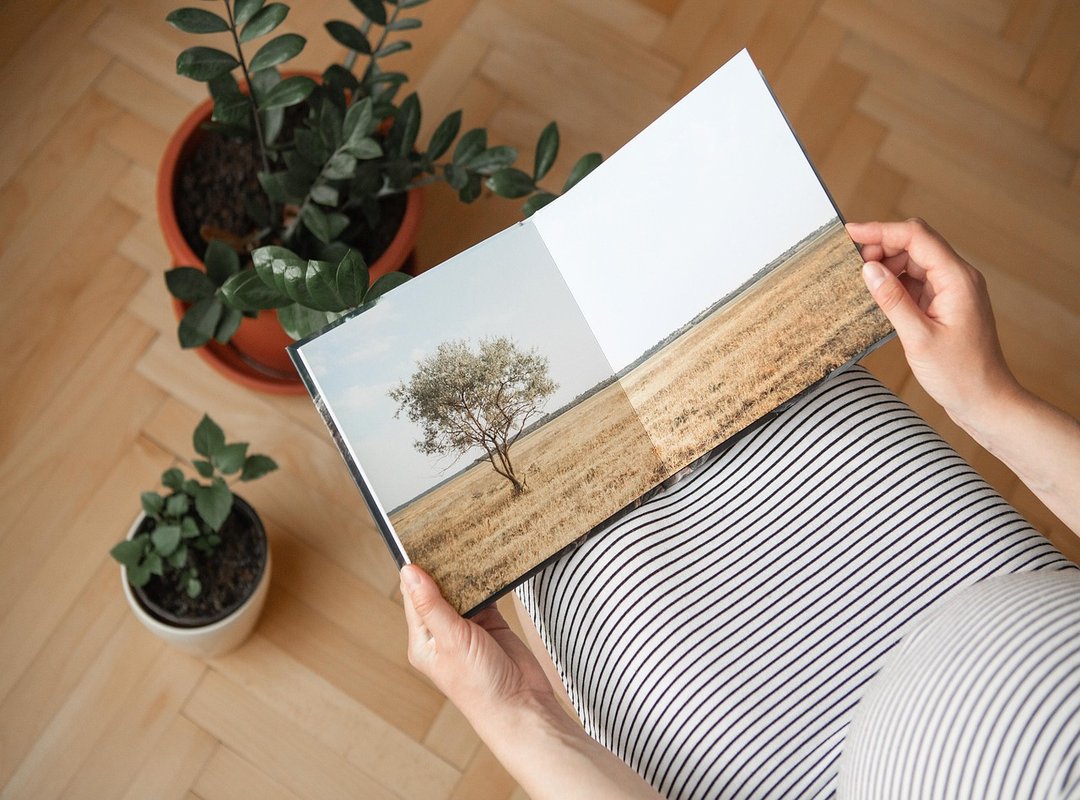
I read the same art criticism twice as deep when it’s on paper. Not because I’m nostalgic. Because my brain doesn’t skim print like it does a webpage.
A 2021 Stanford study found readers retained 32% more from long-form print criticism than identical content online. Scrolling kills sustained attention. It’s not debatable.
It’s measurable.
Digital archives vanish. Artforum.com shut down its early web archive in 2018. Hyperallergic deleted pre-2016 posts after seven years.
I wrote more about this in Art famous articles artypaintgall.
No warning. No backup. If you cited them in 2015, your footnote now points to a 404.
That’s why ISSN registration matters. It’s not bureaucracy. It’s how libraries catalog, fund, and microfilm your work.
DOI links rot. Library of Congress control numbers don’t.
Permanence isn’t boring. It’s the difference between being cited in a dissertation. Or forgotten before the ink dries.
You want your ideas to last longer than a trending tag.
That’s why I still check Art Famous Articles Artypaintgall for pieces that made it into print first. And stayed there.
Famous Art Articles Artypaintgall is one of the few places still building both versions. Not as a gimmick. As a habit.
How to Spot Real Art Scholarship. Fast
I check library holdings first. Go to WorldCat and search the journal title. If it’s not in 50+ university libraries, pause.
Then I open Scopus or Web of Science. Search TS=("Artforum") or TS=("October"). Zero indexed citations?
That’s a red flag. Not every great art writing gets indexed. But zero means no academic traction.
I scroll straight to the masthead. No names? No academic titles?
No institutional affiliations? Walk away.
JSTOR and Project MUSE tell me if back issues exist. If only the last six months are online (and) nothing before 2020. It’s probably not archival-grade.
Search this exact string in Google: "Artforum" AND "peer review" site:artforum.com. Do the same for any publication you’re vetting. If it doesn’t mention peer review on its own site, it’s likely not doing it.
I go into much more detail on this in New Fine Art Articles Artypaintgall.
Missing ISSN? Big warning. Inconsistent publishing schedule?
Another one. More press releases than essays? You’re reading PR, not criticism.
Famous Art Articles Artypaintgall sounds impressive. Until you realize it’s just a keyword, not a source.
Pro tip: Open an article’s footnotes. If every citation is another magazine or blog. And zero books, zero dissertations, zero museum catalogs (it’s) not doing scholarly work.
I’ve wasted hours on glossy-looking sites that cite nothing older than Twitter.
You want depth. You want traceability. You want accountability.
This guide covers all that (and) more.
Read more
Start Your Research With Authority. Not Algorithms
I’ve watched people waste hours on glossy art blogs that say nothing.
You’re tired of clicking through Famous Art Articles Artypaintgall and walking away with zero insight.
That shiny headline? It’s not proof. It’s decoration.
You need authority (not) algorithms.
Go back to the verification system in section 4. Use it. now.
Pick one research question you’ll tackle next week.
Find one truly renowned publication using that checklist.
Read its most recent thematic issue cover-to-cover.
No skimming. No shortcuts.
You’ll feel the difference immediately.
Thin sources drain time. Real ones build confidence.
Renown isn’t inherited. It’s earned, documented, and verifiable. Begin there.

 Bernardon Holmanate has opinions about art techniques and methods. Informed ones, backed by real experience — but opinions nonetheless, and they doesn't try to disguise them as neutral observation. They thinks a lot of what gets written about Art Techniques and Methods, Trends in Contemporary Art, Exhibition Announcements and Reviews is either too cautious to be useful or too confident to be credible, and they's work tends to sit deliberately in the space between those two failure modes.
Reading Bernardon's pieces, you get the sense of someone who has thought about this stuff seriously and arrived at actual conclusions — not just collected a range of perspectives and declined to pick one. That can be uncomfortable when they lands on something you disagree with. It's also why the writing is worth engaging with. Bernardon isn't interested in telling people what they want to hear. They is interested in telling them what they actually thinks, with enough reasoning behind it that you can push back if you want to. That kind of intellectual honesty is rarer than it should be.
What Bernardon is best at is the moment when a familiar topic reveals something unexpected — when the conventional wisdom turns out to be slightly off, or when a small shift in framing changes everything. They finds those moments consistently, which is why they's work tends to generate real discussion rather than just passive agreement.
Bernardon Holmanate has opinions about art techniques and methods. Informed ones, backed by real experience — but opinions nonetheless, and they doesn't try to disguise them as neutral observation. They thinks a lot of what gets written about Art Techniques and Methods, Trends in Contemporary Art, Exhibition Announcements and Reviews is either too cautious to be useful or too confident to be credible, and they's work tends to sit deliberately in the space between those two failure modes.
Reading Bernardon's pieces, you get the sense of someone who has thought about this stuff seriously and arrived at actual conclusions — not just collected a range of perspectives and declined to pick one. That can be uncomfortable when they lands on something you disagree with. It's also why the writing is worth engaging with. Bernardon isn't interested in telling people what they want to hear. They is interested in telling them what they actually thinks, with enough reasoning behind it that you can push back if you want to. That kind of intellectual honesty is rarer than it should be.
What Bernardon is best at is the moment when a familiar topic reveals something unexpected — when the conventional wisdom turns out to be slightly off, or when a small shift in framing changes everything. They finds those moments consistently, which is why they's work tends to generate real discussion rather than just passive agreement.