Digital First: A New Norm for Art Spaces
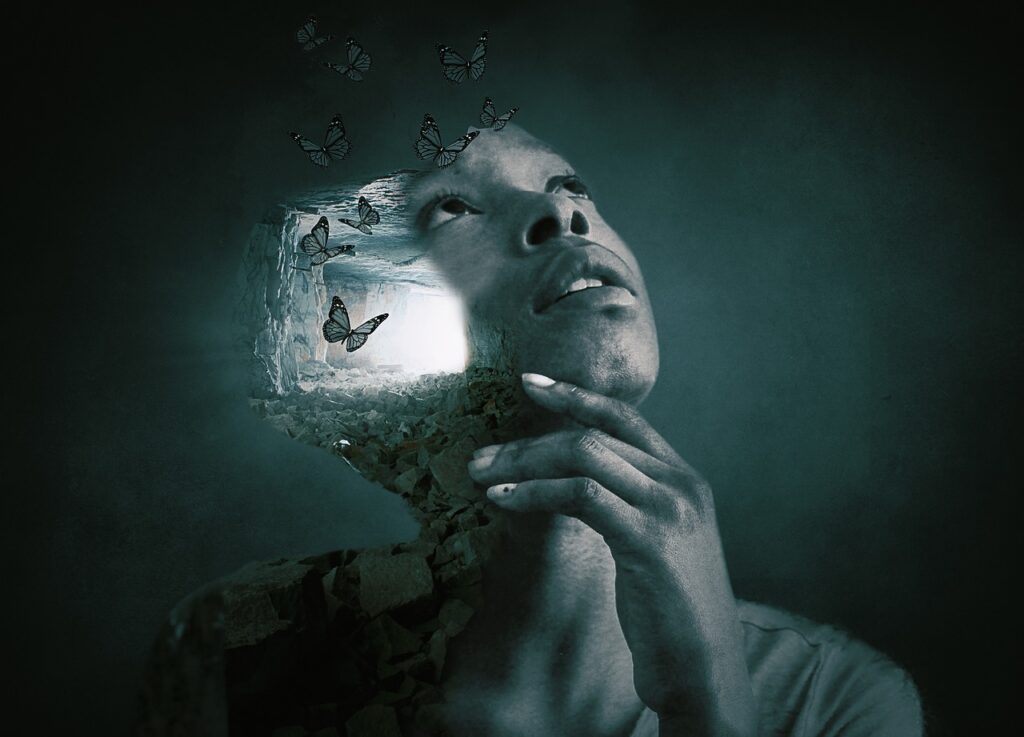
In 2026, the question isn’t whether galleries should go digital it’s how fast they can catch up. The traditional model of white walls and weekend visitors no longer cuts it. Audiences now expect access anywhere, anytime. For many galleries, survival has meant moving beyond physical doors and into browsers, phones, and virtual headsets.
Hybrid exhibitions have become the new baseline. Physical openings are now paired with real time livestreams and immersive 3D walkthroughs. High resolution scans let remote viewers zoom in on textures and details they might miss in person. It’s not just extra polish it’s a shift in mindset: art must be accessible, scalable, and sharable.
And it’s working. Virtual tours are pulling in global viewers. Online archives are bringing curatorship to rural homes. Visitors with mobility limitations or sensory sensitivities are finally part of the conversation. Digital barriers used to be technical; now, they’re ethical. If you’re still hiding your collection behind ticket counters and outdated websites, you’re choosing to be invisible.
Tech won’t replace the magic of standing in front of a canvas but it’s making sure more people get the chance to experience something close. That reach matters. That inclusion is non negotiable. The galleries getting it right are the ones building experiences for the screen and the space, not just one or the other.
Artists, Collectors, and Algorithms
Online platforms have quietly taken the steering wheel in artist discovery. Where gallery scouts and word of mouth once ruled, algorithms and curated feeds now surface talent at global speed. Artists who play the game optimized hashtags, clean portfolios, regular uploads are more likely to land on a collector’s radar without ever stepping foot in a gallery.
AI curated recommendations are a double edged sword. On one hand, they remove borders, surface overlooked creators, and speed up exposure. On the other they challenge traditional curatorship. When a bot suggests an artist based on data, the human eye is sidelined. Not always a bad thing, but it shifts the power dynamic. For galleries, that means rethinking their role: not just tastemakers, but validators in a crowd sourced world.
Meanwhile, data is king. Digital footprints from click paths to time spent viewing art online now inform what gets shown. Some galleries are quietly using audience behavior metrics to shape future shows. It’s not just “what’s good art?” anymore. It’s “what will hold eyes?”
And then there’s the rise of the digital native artist: creators who see NFTs, AR galleries, and blockchain provenance not as gimmicks, but as their medium. NFT backed exhibitions are becoming legit formats, tied not only to hype, but functional ownership and tracking. Younger collectors are here for it. Legacy galleries are playing catch up.
Discovery hasn’t gone away it’s just gotten smarter, faster, and more code driven. For better or worse, that’s the new normal.
Social Media’s Role in Gallery Branding
Instagram in 2026: Alive and Strategic
Despite whispers of decline, Instagram remains a vital tool for gallery branding in 2026. While the platform has evolved, savvy galleries are evolving with it using features like Reels, Stories, and Lives to stay culturally relevant and audience engaged.
Why Instagram Still Works:
Visual storytelling aligns naturally with art focused content
Stronger discovery via niche hashtags and geotags
Behind the scenes content builds transparency and trust
Galleries that treat Instagram as more than a posting platform and instead as a multi layered engagement space are seeing the biggest returns.
Turning Passive Followers Into Gallery Visitors
It’s not just about accumulating likes. The most successful galleries connect online presence to real world experiences.
Effective tactics include:
Teasing upcoming shows with exclusive sneak peeks
Geo targeted posts to lure local audiences
Event announcements paired with Story countdowns and RSVP links
Highlighting visitor reactions and gallery atmospheres to build FOMO
These approaches make following a gallery account feel like joining a community rather than browsing a catalog.
Collaborating for Reach and Relevance
In 2026, galleries are leaning into partnerships to expand reach and deepen impact.
Key collaborators include:
Influencers with crossover appeal (art, fashion, design)
Digital curators with engaged niche audiences
Tech platforms offering AR filters, livestream integrations, and AI enhanced visuals
These collaborations aren’t one off PR stunts they’re often co created campaigns that blend authenticity with strategic exposure.
Campaigns That Set the Bar
Some of the most forward thinking galleries are running integrated social campaigns that combine storytelling, audience interaction, and conversion points.
Case highlights:
A Berlin gallery partnered with a VR developer to deliver immersive previews of an upcoming exhibit, driving both online buzz and physical attendance.
A New York institution launched a week long Instagram Story series featuring a different artist each day, using polls and live discussions to boost engagement.
A London pop up used influencer takeovers to share personal reflections on the art, skyrocketing ticket demand within 24 hours of launch.
These case studies prove that with the right blend of content, partnership, and platform fluency, social media can be a direct path from screen to gallery floor.
Revenue, Reach, and Reinvention
Art sales aren’t what they used to be and that’s mostly a good thing. E commerce cracked open what was once a primarily hush hush, wall text only economy. Galleries no longer have to rely on walk ins and single night openings. Instead, they’re selling high ticket artworks to collectors continents away and waking up to notifications that a $10,000 piece sold in their sleep.
Subscription models, online memberships, and exclusive digital catalogs have created reliable revenue streams without the unpredictability of in person attendance. Some galleries run tiered access models where members get early looks at exhibitions or artist talks via livestream. It’s less velvet rope, more recurring income with actual community value.
Then there’s the auction space. High profile online auctions, once the terrain of auction houses, are now fair game for agile galleries. These real time events pull in global attention, create a sense of urgency, and track data on collector behavior far better than a paper guestbook ever could.
All of this has forced a hard rethink about budgets. Instead of spending big on print invites or front of house staffing, forward looking galleries are putting cash into digital infrastructure: secure payment systems, immersive user experiences, CRM tools, and backend data analytics. It’s less romantic, maybe, but it’s scaling faster than anything the white cube model offered.
Digital doesn’t replace good curation or human connection it just makes the business of running a gallery smarter, faster, and way more sustainable.
What’s on the Horizon
The next wave of art gallery evolution is already coming into focus and it’s digital at the core. AI generated artwork is shifting from novelty to legitimate medium. Think less DALL·E as party trick, more machine learning trained on centuries of visual history. Curators are starting to include AI pieces in serious exhibitions, not just tech showcases. It raises real questions about authorship, aesthetics, and meaning.
Then there’s immersive VR. Not just a headset in the corner anymore, but fully interactive experiences that mimic or even challenge the physical gallery feel. Visitors can ‘walk’ through shows built entirely in Unreal Engine or visit digital twins of real world spaces. Some galleries are investing in creating parallel virtual venues where the art is always on, no matter the timezone.
What’s coming in the next five years? Likely, a mix: hybrid curation models, increased use of smart sensors for feedback, and AI advisors sitting behind the scenes shaping shows based on audience data. The gallery space won’t just display it will respond, adapt, and evolve.
This isn’t just tech hype. Adaptability and digital fluency are no longer nice to haves for curators; they’re essential. If you can’t navigate metadata, virtual staging, or creative AI tools, you’re working with one hand tied. The future curator blends taste with tech literacy and the smart ones already are.
Want to see where the physical art world is still thriving? Don’t miss the Top 10 Most Anticipated Art Gallery Openings This Year.

 Ask Gabrielo Bradfordsicker how they got into artist spotlights and interviews and you'll probably get a longer answer than you expected. The short version: Gabrielo started doing it, got genuinely hooked, and at some point realized they had accumulated enough hard-won knowledge that it would be a waste not to share it. So they started writing.
What makes Gabrielo worth reading is that they skips the obvious stuff. Nobody needs another surface-level take on Artist Spotlights and Interviews, Exhibition Announcements and Reviews, Art Gallery News. What readers actually want is the nuance — the part that only becomes clear after you've made a few mistakes and figured out why. That's the territory Gabrielo operates in. The writing is direct, occasionally blunt, and always built around what's actually true rather than what sounds good in an article. They has little patience for filler, which means they's pieces tend to be denser with real information than the average post on the same subject.
Gabrielo doesn't write to impress anyone. They writes because they has things to say that they genuinely thinks people should hear. That motivation — basic as it sounds — produces something noticeably different from content written for clicks or word count. Readers pick up on it. The comments on Gabrielo's work tend to reflect that.
Ask Gabrielo Bradfordsicker how they got into artist spotlights and interviews and you'll probably get a longer answer than you expected. The short version: Gabrielo started doing it, got genuinely hooked, and at some point realized they had accumulated enough hard-won knowledge that it would be a waste not to share it. So they started writing.
What makes Gabrielo worth reading is that they skips the obvious stuff. Nobody needs another surface-level take on Artist Spotlights and Interviews, Exhibition Announcements and Reviews, Art Gallery News. What readers actually want is the nuance — the part that only becomes clear after you've made a few mistakes and figured out why. That's the territory Gabrielo operates in. The writing is direct, occasionally blunt, and always built around what's actually true rather than what sounds good in an article. They has little patience for filler, which means they's pieces tend to be denser with real information than the average post on the same subject.
Gabrielo doesn't write to impress anyone. They writes because they has things to say that they genuinely thinks people should hear. That motivation — basic as it sounds — produces something noticeably different from content written for clicks or word count. Readers pick up on it. The comments on Gabrielo's work tend to reflect that.