You’ve made the same macramé plant hanger three times this year.
And you’re tired of it.
I know because I’ve been there. Stuck in a loop of safe projects, scrolling for hours, clicking nothing that feels fresh.
That’s not inspiration. That’s exhaustion wearing a craft apron.
Inventive Lwmfcrafts isn’t another trend. It’s what happens when you stop copying and start playing.
I’ve spent years testing materials, ditching what bored me, keeping what made me pause mid-stitch.
This list? It’s not random. Every idea is tested.
Every step is doable in one afternoon.
No fluff. No “just add glitter” nonsense.
You’ll get real project ideas (unexpected,) joyful, and actually fun to finish.
Not more repetition. A real reset.
Lwmfcrafts: Not Just Glue and Yarn
Lwmfcrafts are handmade objects built from layered fabric scraps, lightweight wire, and low-tack adhesives. I cut, twist, and press. No sewing machine needed.
It’s tactile. Immediate. You feel the texture change as you build up layers (like stacking tracing paper, but with grit).
Compared to embroidery or wood carving, Lwmfcrafts move faster. No waiting for paint to dry. No chiseling mistakes.
You can undo a fold in two seconds.
That’s why they’re a creative goldmine. You swap out cotton for burlap. Swap copper wire for aluminum.
Swap glue for starch paste. Every change shifts the whole mood.
I’ve seen people make wall hangings in under an hour. Others turn old t-shirts into jewelry that holds up for years. Speed doesn’t mean shallow.
It’s like painting with yarn. Except you’re also sculpting while you paint.
The best part? You don’t need permission to start. Just grab what’s in your drawer.
If you want to see how others bend the rules, check out Lwmfcrafts (it’s) full of real work, not tutorials.
Inventive Lwmfcrafts aren’t about perfection. They’re about saying yes before your brain says no.
Try one thing today. One fold. One twist.
See what sticks.
Make Your Home Feel Like You (Not) a Catalog
I hate walking into someone’s house and recognizing the exact same pillow from three Instagram ads.
You want your space to feel lived-in. Real. Yours.
That starts with making things yourself.
Not perfect things. Not Pinterest-perfect things. Things that show up as yours.
The Woven Wall Hanging with a Twist? I made one last month using dried lavender stems and copper wire instead of yarn.
It hangs above my couch and catches light differently every hour. (Yes, I check.)
You don’t need a loom. A wooden dowel and some nails on a board work fine.
Swap out wool for ribbon, twine, or even old headphone cords if you’re feeling reckless.
Textured Throw Pillow Covers are where most people stop short.
They buy the cover. They call it done.
I stitch loops by hand. I knot sections tight. I leave threads hanging just a little.
That texture? It’s not decorative. It’s tactile.
You’ll catch yourself running your fingers over it while watching TV.
I covered this topic over in this post.
Stores don’t sell this. They can’t. It’s too slow.
Too personal.
A set of coasters or placemats is where color theory gets fun.
Right now, terracotta + sage + cream is everywhere. But try burnt orange + slate gray + ivory instead.
Cut felt squares. Glue them in jagged blocks. No ruler needed.
Let the edges bleed a little.
This is Inventive Lwmfcrafts (not) following patterns, but bending them until they fit your shelf, your light, your mood.
You don’t need a craft room.
You need ten minutes, glue, and permission to mess up.
What’s the first thing you’d hang on your wall if no one was watching?
I started with a piece of scrap wood and some frayed rope.
It’s still there.
Three years later. Still looks right.
Wear Your Art: Scarves, Jewelry, and Totes That Actually Stand
I don’t do boring accessories. Neither should you.
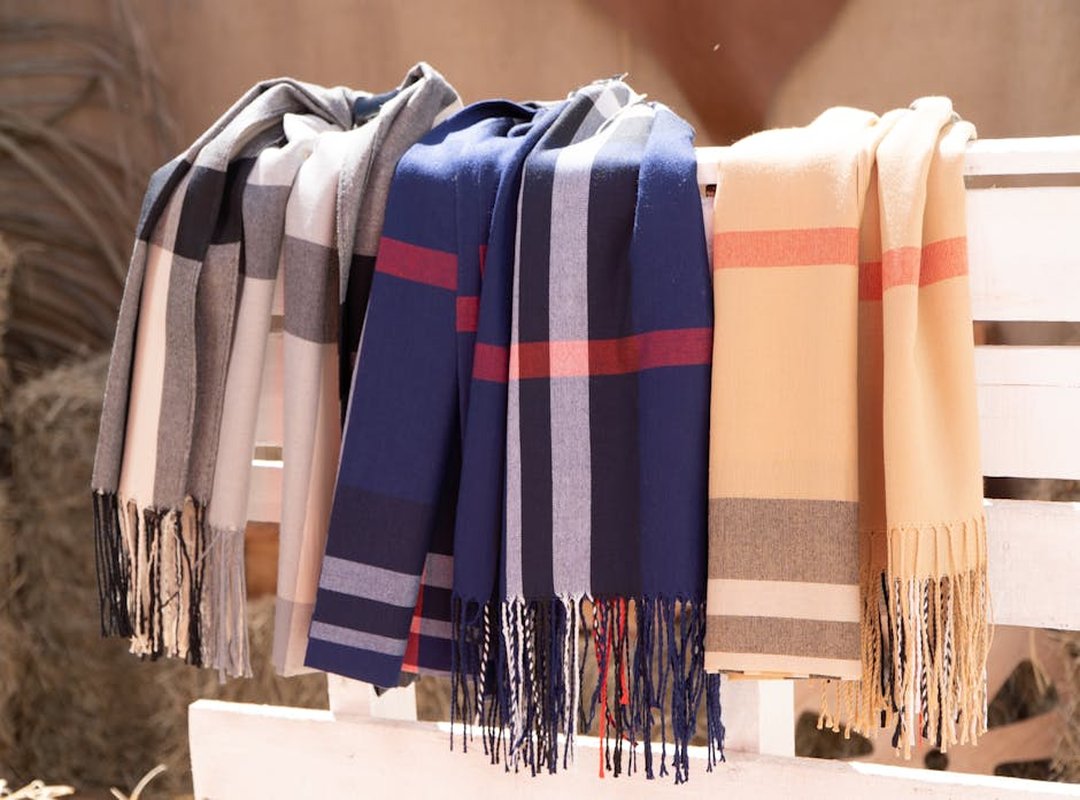
The Statement Scarf starts with yarn rebellion. Mix thick roving with thin silk thread. Layer them on the same needle.
Let one pull tight while the other sags loose. You’ll get rid of that flat, predictable drape. (Yes, it looks messy at first.
That’s the point.)
You want texture you can feel from across the room. Not just see.
Woven Jewelry? Skip the $200 loom. Grab two chopsticks and a rubber band.
Tape them parallel on a book. That’s your Lwmfcrafts loom. Use fine cotton or linen thread.
Weave in tiny seed beads at uneven intervals. One bead here. Three there.
No rules. Just rhythm.
A cuff made this way wraps your wrist like a secret. Not jewelry. A whisper.
The Embellished Tote Bag is where function meets attitude. Start with a plain canvas tote. The kind that comes free at hardware stores.
Cut a 4×6 inch panel using your favorite Lwmfcrafts stitch. Braid it. Knot it.
Felt it. Then stitch it on, not into the bag. Glue won’t hold.
Hand-stitch with invisible thread.
It’s not decoration. It’s declaration.
You’re tired of mass-produced crap. So am I.
That’s why I keep the Infoguide Lwmfcrafts open in another tab. It’s the only place I’ve found that treats technique like language (not) instruction manuals.
Inventive Lwmfcrafts isn’t about perfection. It’s about interrupting expectation.
Stitch lopsided. Weave crooked. Let the scarf twist.
Your hands know more than any pattern does.
Let the beads clump.
Try the chopstick loom tonight. Seriously.
You already have everything you need.
Except maybe confidence. That comes after the first bead stays put.
The Secret Sauce: What Makes Craft Work Pop
I used to center everything. Symmetry felt safe. Then I saw a wall hanging at a Brooklyn gallery.
Off-kilter, breathing, alive. That’s when I stopped fighting asymmetry.
Place your focal point two-thirds from the left. Not dead center. Not even close.
Your eye lands there first. It lingers. It feels intentional.
(Not messy. Not accidental.)
Negative space isn’t empty. It’s active. I leave whole sections of the Lwmfcrafts base bare (no) thread, no filler, just wood grain or canvas showing through.
That silence makes the rest louder.
Mixing media? That’s where your voice cracks through. A rusted gear next to dried lavender.
You’re not filling space. You’re shaping attention.
Walnut slices beside glass beads. Don’t ask if it “goes.” Ask if it feels like you.
This is how Inventive Lwmfcrafts happens. Not by following rules, but by breaking one or two on purpose.
Fun Crafts Lwmfcrafts has examples that’ll make you rethink every scrap in your bin.
Start Your Next Creative Lwmfcrafts Project Today
I’ve been stuck too. Staring at blank paper. Waiting for inspiration to knock.
It never does. Not on time. Not loudly enough.
Inventive Lwmfcrafts aren’t about waiting. They’re about moving your hands before your brain catches up.
You don’t need permission. You don’t need perfect supplies. You just need to start.
That project you skimmed past? The one that made your pulse jump for half a second? That’s the one.
Grab it. Gather what you have. Set a timer for 30 minutes.
No pressure to finish. No need to post it. Just make something only you could make.
This isn’t about output. It’s about breaking the silence in your head.
Your creativity isn’t broken. It’s just waiting for you to move first.
Choose one project from this list that excites you, gather your materials, and spend 30 minutes this week bringing your unique vision to life.

 Bernardon Holmanate has opinions about art techniques and methods. Informed ones, backed by real experience — but opinions nonetheless, and they doesn't try to disguise them as neutral observation. They thinks a lot of what gets written about Art Techniques and Methods, Trends in Contemporary Art, Exhibition Announcements and Reviews is either too cautious to be useful or too confident to be credible, and they's work tends to sit deliberately in the space between those two failure modes.
Reading Bernardon's pieces, you get the sense of someone who has thought about this stuff seriously and arrived at actual conclusions — not just collected a range of perspectives and declined to pick one. That can be uncomfortable when they lands on something you disagree with. It's also why the writing is worth engaging with. Bernardon isn't interested in telling people what they want to hear. They is interested in telling them what they actually thinks, with enough reasoning behind it that you can push back if you want to. That kind of intellectual honesty is rarer than it should be.
What Bernardon is best at is the moment when a familiar topic reveals something unexpected — when the conventional wisdom turns out to be slightly off, or when a small shift in framing changes everything. They finds those moments consistently, which is why they's work tends to generate real discussion rather than just passive agreement.
Bernardon Holmanate has opinions about art techniques and methods. Informed ones, backed by real experience — but opinions nonetheless, and they doesn't try to disguise them as neutral observation. They thinks a lot of what gets written about Art Techniques and Methods, Trends in Contemporary Art, Exhibition Announcements and Reviews is either too cautious to be useful or too confident to be credible, and they's work tends to sit deliberately in the space between those two failure modes.
Reading Bernardon's pieces, you get the sense of someone who has thought about this stuff seriously and arrived at actual conclusions — not just collected a range of perspectives and declined to pick one. That can be uncomfortable when they lands on something you disagree with. It's also why the writing is worth engaging with. Bernardon isn't interested in telling people what they want to hear. They is interested in telling them what they actually thinks, with enough reasoning behind it that you can push back if you want to. That kind of intellectual honesty is rarer than it should be.
What Bernardon is best at is the moment when a familiar topic reveals something unexpected — when the conventional wisdom turns out to be slightly off, or when a small shift in framing changes everything. They finds those moments consistently, which is why they's work tends to generate real discussion rather than just passive agreement.