
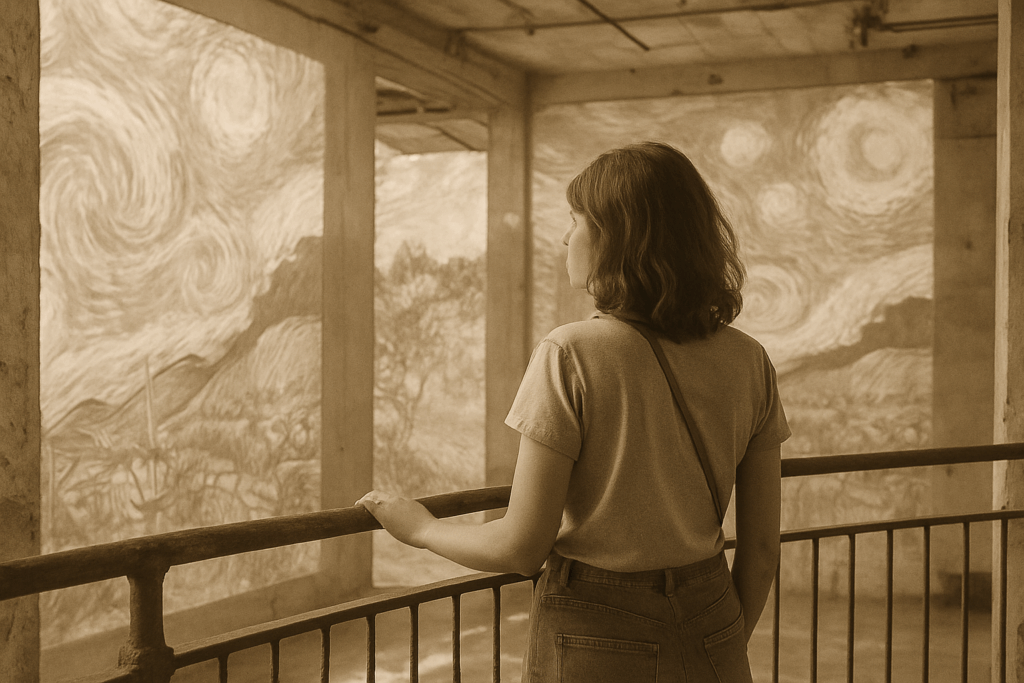
The Shift from Viewing to Experiencing
In 2026, passive art viewing is out. People don’t just want to stroll past framed pieces and whisper about brush strokes. They want in. They want to feel something, not just understand it. The rise of immersive exhibitions reflects this shift where the audience is no longer a fly on the wall but part of the ecosystem.
Artists and curators are designing shows that invite physical interaction, emotional response, and even play. Think exhibits that surround you in sound, respond to your movement, or wrap you in scent and texture. It’s a full body experience now. Light, temperature, spatial design all of it adds to the story. If a gallery still feels like a white box, it’s falling behind.
The line between observer and participant is getting blurry, by design. Engagement is the goal. If sight is all you’re hitting, you’re missing four other senses and a bigger opportunity.
Space as Storytelling
In the best immersive exhibitions, space isn’t a container it’s part of the narrative. Every turn, archway, and open stretch is a deliberate cue, directing not just traffic flow but emotional buildup. A well planned layout acts like a well written story, pulling the visitor from one chapter to the next without breaking the rhythm. Stillness has a place. So does motion. The balance keeps things alive.
Lighting is more than a spotlight it’s psychological. Warm hues invite, while cool ones force pause. Natural vs. artificial lighting plays with perception and mood. Meanwhile, acoustics shape experience more subtly than people realize. Whether it’s complete silence, a low level hum, or echoes bouncing off concrete, sound defines how present a person can feel in a moment.
Architecture, too, speaks. Narrow corridors compress attention, heightening the impact of what’s ahead. Open halls reset the breath. Smart use of thresholds where one atmosphere shifts into another make the viewer unconsciously alert. These transitions, paired with spatial tension and intentional pacing, keep people from settling into passive observation. The space becomes a tool to keep them awake to the work in front of them.
Technology with Purpose
Immersive exhibitions in 2026 don’t just plug in tech for the sake of novelty. Projection mapping, augmented reality, and interactive screens are no longer sideshow attractions they’re tools for deepening connection. The trick is using them where they serve the story. When integrated well, these technologies expand meaning, guide attention, and sometimes let visitors step inside the work itself.
Motion sensors, responsive lighting, and triggered soundscapes make a space feel alive. They pull viewers in, making the act of movement part of the experience. Think subtle, not flashy footsteps lighting a path, or a whisper that emerges only when someone leans in. The best setups keep the tech invisible while enhancing presence.
And then there’s the reach beyond the walls. Virtual layers apps, browser based AR, or layered social media tie ins let the experience continue after visitors leave. A piece seen in the gallery might shift when revisited online, telling more of its story over time. When it’s done right, the space lingers with you. Not a one and done visit, but an unfolding connection.
Emotional Engagement

Truly immersive art doesn’t try to overwhelm. It tries to stay with you. The most powerful exhibitions aren’t the loudest or most high tech they’re the ones that leave you thinking about them days later. That’s because real immersion taps into emotion, not just sensation.
Good curators know that a quiet moment can hit just as hard as a massive projection wall. They use pacing and contrast stillness after motion, solitude after crowds, darkness before light to create an emotional rhythm. It’s not an accident when you get goosebumps in a room. It’s design.
Interactivity helps, but only when there’s meaning behind it. A touch screen or prompt is pointless if it doesn’t lead somewhere personal. The best immersive shows ask something of us our attention, our memory, our perspective and leave space for reflection. Dialogue walls, responsive installations, or even notes you leave behind in a gallery can become part of the emotional fabric. That’s what sticks. That’s what matters.
Curator and Artist Collaboration
Immersion isn’t about flooding a space with spectacle. It’s about making choices that mean something. That’s where deep collaboration between artists and curators comes in. In the best shows, the line between artwork and curation blurs. Lighting cues aren’t just functional they’re part of the piece. The sequence of the rooms isn’t random it builds emotion, like scenes in a film.
Curators no longer just hang things on walls. They work with artists from day one, shaping the rhythm, flow, and tone of the experience. A soundscape becomes the spine of the show. A short story tucked near a sculpture stretches the narrative. Elements from music, poetry, and new media aren’t afterthoughts they’re layered in early to strengthen the whole.
This kind of immersion doesn’t shout it resonates. It pulls you in with purpose. Every detail is part of a bigger idea, crafted by multiple minds working in sync. That’s the difference between a flashy pop up and a show that stays with you.
Benchmarks for Critics and Viewers
Immersion isn’t just about flashy tech or big budget spaces. It’s about whether the experience feels whole. To assess that, you start with flow does the visitor move through the space naturally, or are they constantly doubling back? A coherent exhibition tells a story without needing to be explained at every turn.
Audience behavior also offers unfiltered insight. Are people pausing, leaning in, talking to each other? Do they linger past expectations? Emotional feedback matters too: what sticks with someone after they leave? Not just what they saw, but what they felt and why.
Thoughtful immersion pulls people in quietly and doesn’t let go. It doesn’t demand attention, it earns it. The best shows leave an emotional aftertaste. They’re not loud they’re lasting.
For a deeper look at critical approaches, check out A Guide to Reviewing Art Exhibitions Like a Critic.
Final Elements That Separate Good from Great
Immersion isn’t complete unless everyone can enter the experience literally and emotionally. That starts with accessibility. Shows in 2026 are building in tactile elements for low vision guests, adding responsive audio cues for spatial guidance, and baking captions and subtitles into digital work as defaults not extras. Inclusive design isn’t a side dish anymore; it’s part of the core recipe.
Then there’s surprise. Not the loud, flashy kind, but that sudden scent of salt in a desert themed installation, or the shift in ambient sound that makes you pause. These gentle disruptions re center people in the space. A good exhibition gets attention once. A great one finds ways to keep it.
And when it’s over? A strong exit experience invites reflection instead of just shuffling toward the coat rack. Whether it’s a softly lit quote wall, a parting gift, or a moment of silence carved into the layout, the exit is the punctuation mark on everything that came before. It doesn’t have to be grand. But it needs to feel like it mattered.

 Ask Gabrielo Bradfordsicker how they got into artist spotlights and interviews and you'll probably get a longer answer than you expected. The short version: Gabrielo started doing it, got genuinely hooked, and at some point realized they had accumulated enough hard-won knowledge that it would be a waste not to share it. So they started writing.
What makes Gabrielo worth reading is that they skips the obvious stuff. Nobody needs another surface-level take on Artist Spotlights and Interviews, Exhibition Announcements and Reviews, Art Gallery News. What readers actually want is the nuance — the part that only becomes clear after you've made a few mistakes and figured out why. That's the territory Gabrielo operates in. The writing is direct, occasionally blunt, and always built around what's actually true rather than what sounds good in an article. They has little patience for filler, which means they's pieces tend to be denser with real information than the average post on the same subject.
Gabrielo doesn't write to impress anyone. They writes because they has things to say that they genuinely thinks people should hear. That motivation — basic as it sounds — produces something noticeably different from content written for clicks or word count. Readers pick up on it. The comments on Gabrielo's work tend to reflect that.
Ask Gabrielo Bradfordsicker how they got into artist spotlights and interviews and you'll probably get a longer answer than you expected. The short version: Gabrielo started doing it, got genuinely hooked, and at some point realized they had accumulated enough hard-won knowledge that it would be a waste not to share it. So they started writing.
What makes Gabrielo worth reading is that they skips the obvious stuff. Nobody needs another surface-level take on Artist Spotlights and Interviews, Exhibition Announcements and Reviews, Art Gallery News. What readers actually want is the nuance — the part that only becomes clear after you've made a few mistakes and figured out why. That's the territory Gabrielo operates in. The writing is direct, occasionally blunt, and always built around what's actually true rather than what sounds good in an article. They has little patience for filler, which means they's pieces tend to be denser with real information than the average post on the same subject.
Gabrielo doesn't write to impress anyone. They writes because they has things to say that they genuinely thinks people should hear. That motivation — basic as it sounds — produces something noticeably different from content written for clicks or word count. Readers pick up on it. The comments on Gabrielo's work tend to reflect that.