Spotlight on This Season’s Signature Pieces
Spring’s art showcase brings a fresh perspective through a series of standout installations that captivate the eye and challenge the mind. This season’s selection is not just about visual appeal it reflects deeper cultural conversations and thematic intentions.
Key Installations to Look For
Prepare to experience a range of installations that typify this year’s creative direction:
“Surface Memory” A layered textile installation using reclaimed fabrics to explore generational identity.
“Echoform Structure” A large scale kinetic sculpture that reacts to human movement, highlighting the intersection between body and built environment.
“Still No Signal” A multimedia piece built from discarded screens, commenting on our strained relationship with digital consumption.
Reflecting This Year’s Theme
Each selected work speaks to larger conversations at the heart of this year’s showcase. Themes explored in this spring’s pieces include:
Environmental introspection Artists are reimagining the natural world through found materials and sustainable processes.
Collective memory and identity Several installations tackle the complexities of heritage, displacement, and cultural fragmentation.
Technology and alienation Many featured works scrutinize how modern communication both connects and isolates us.
Materials & Mediums in Focus
From unconventional canvases to experimental structures, expect materials that tell a story:
Sustainable mediums: Recycled metals, organic dyes, salvaged plastics, and bioplastics.
Hybrid techniques: Artists are merging analog and digital methods such as hand stitching with projection mapping.
Tactile integration: Expect more invitations to observe through touch, especially in textile and sculptural works.
These pieces don’t just ask to be seen they invite deeper inspection, discussion, and interpretation. Whether you’re an art collector, casual visitor, or aspiring creator, the spring installations offer layers of engagement that linger long after your visit.
Featured Artists to Watch
This season’s Spring Art Showcase brings together an impressive mix of familiar names and rising talent. From deeply personal expressions to bold cultural commentary, these artists each bring something exceptional to the table.
Standout Artists You Shouldn’t Miss
Lena Marquez Known for her use of reclaimed materials, Marquez layers personal memory with environmental commentary. Her installation this year explores identity through objects sourced from her childhood home.
Devon Wu A digital expressionist blending code with canvas. Wu’s immersive projections respond to viewer movement, forging a real time dialogue between audience and artwork.
Imani Cross A sculptor working at the intersection of tradition and experimentation. Her work uses clay and LED lighting to reimagine ancestral forms in a modern context.
Rafi Tanner A veteran of the contemporary scene, Tanner returns with a series of mixed media portraits that reflect on the isolation of the digital age.
The Stories Behind the Art
Each featured artist offers more than just technique their work is rooted in story, experience, and intention:
Marquez’s childhood in post industrial Detroit shapes her themes of resilience and repurposing.
Wu’s background in software development pushes him to ask: what happens when art becomes interactive?
Cross draws from her West African lineage, blending cultural preservation with futuristic aesthetics.
Tanner, having worked through periods of silence and social withdrawal, channels emotional depth into visual format.
Why Their Work Matters Now
These artists reflect the broader themes of the exhibit: change, connection, and context.
Their methods challenge traditional boundaries, using personal narratives to speak to universal issues.
By looking inward to express the outer world, each of them offers a lens through which today’s shifting cultural moment can be understood.
Whether you’re familiar with these artists or discovering them for the first time, their work provides a powerful entry point into the emotions, questions, and stories shaping this year’s showcase.
Interactive and Immersive Experiences
This year’s spring showcase isn’t meant to be looked at from a polite distance. Gone are the days of static displays behind velvet ropes. Instead, the exhibit leans hard into interaction walkthrough installations, participatory works, and live pieces that unfold in real time.
You don’t just view the art you experience it. Some room scale installations react to motion or sound. Others require audience input to fully activate, blurring the line between observer and collaborator. It’s less about perfect lighting and more about movement, emotion, and presence.
All of it’s intentional. The curators are betting on connection over convention. The art evolves as people move through it, and so does the meaning. That dynamic energy is the core of this year’s format: an open invitation to get involved and become part of the story.
Venue Highlights & Exhibit Flow
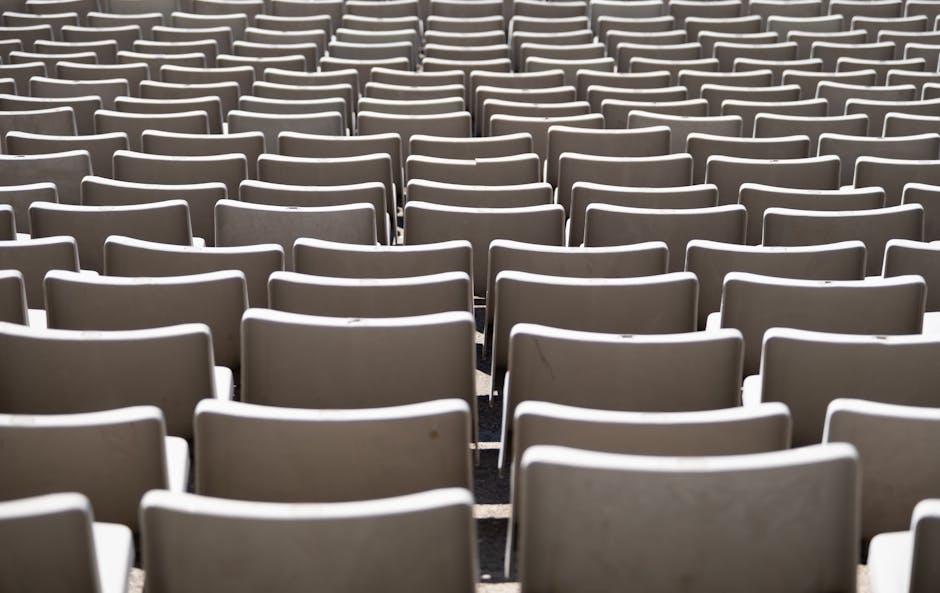
The gallery’s design isn’t just aesthetic it shapes how the art is experienced. High ceilings and diffused natural light create an open, meditative atmosphere where color and texture can breathe. The walls curve subtly in places, guiding foot traffic without forcing it. You won’t find sharp right angles or stiff grids here. The space invites you to move, pause, and pivot intuitively.
The exhibit is arranged in a clockwise flow, but it’s loose by design. You can follow the thread room to room or let instinct take over. Intimate alcoves house smaller works with personal detail, while the central hall offers larger, louder pieces that ask for distance and time. It’s worth starting slow, moving from quieter corners toward the dynamic center.
If you’re aiming for depth over speed, linger in transition zones they’ve placed a few of the most emotionally charged pieces where passages meet. You’ll also notice the layout nudges you toward reflection before leading you into anything high impact.
(Explore the main gallery overview to get a sense of the full space.)
Curator Notes & Behind the Scenes Process
Every piece in this exhibit earned its place. The selection process started nearly a year out part invitation, part discovery. The curators reviewed hundreds of submissions and scouted lesser known talents whose voices aligned with this year’s themes. The final lineup strikes a balance between statement and subtlety, legacy and innovation.
Curation went beyond what hangs on walls. It extended to how visitors move, see, and feel. Pieces weren’t just grouped by medium or message they were positioned to interact with one another, pulling you forward or making you pause. Strategic placement was key. Sculptures break up visual flow so the eye (and mind) can rest; smaller works are set at angles that invite intimate inspection.
Lighting was stripped back and rebuilt from scratch. Warm fields of soft light were chosen to flatten glare and highlight texture. In colder zones, diffused daylight is used to stir contrast and create quiet tension. The atmosphere shifts from room to room moody, contemplative, unhurried giving each space a distinct rhythm.
It’s not about just seeing the work. It’s about walking through it, alongside it. That’s a curatorial choice as much as an artistic one.
Planning Your Visit
Timing your visit right makes a real difference. Weekday mornings especially Tuesday through Thursday are your best bet for quieter viewing, shorter lines, and easy access to timed events. Afternoons and weekends can get busier, particularly during artist talks or special programming, so plan accordingly if you’re hoping for elbow room.
The gallery is designed with access in mind: ramps, elevators, and wide pathways mean the entire exhibit is wheelchair friendly. There’s also a sensory map available at the entrance for visitors who prefer low stimulation areas to recharge. For any specific needs, staff are on hand and ready to help don’t hesitate to ask.
A few pro tips to stretch your experience: wear comfortable shoes, pace yourself, and take breaks included in your ticket is re entry for the same day. Bring a water bottle (yes, there’s a fill station) and a small notebook if you’re the type that likes to sketch or jot notes. Most importantly, check the exhibit schedule before you go. Some performances or walkthroughs happen only once per day.
You can also explore the main gallery overview ahead of time to get a feel for the layout and decide where to linger.
Final Things to Know
The Spring Art Showcase isn’t just about what’s hanging on the walls it’s about what’s happening around them. Keep an eye out for limited run features and special programs that won’t be sticking around. These include live performances, one off installations, and pop in demonstrations that align with the exhibit’s core themes.
For those who want to dig deeper, brochures are available near the main entrances and along key corridors. If you’re timing your visit right, you can catch artist talks or jump into a guided tour both are scheduled throughout the week and posted daily at the welcome desk.
Don’t miss the merch area either. Prints, zines, and exhibit inspired items are on sale, with proceeds often going directly to the featured artists. It’s a solid way to support their ongoing work while bringing a piece of the showcase home with you.

 Zayric Xelvaris has opinions about art gallery news. Informed ones, backed by real experience — but opinions nonetheless, and they doesn't try to disguise them as neutral observation. They thinks a lot of what gets written about Art Gallery News, Art Techniques and Methods, Artist Spotlights and Interviews is either too cautious to be useful or too confident to be credible, and they's work tends to sit deliberately in the space between those two failure modes.
Reading Zayric's pieces, you get the sense of someone who has thought about this stuff seriously and arrived at actual conclusions — not just collected a range of perspectives and declined to pick one. That can be uncomfortable when they lands on something you disagree with. It's also why the writing is worth engaging with. Zayric isn't interested in telling people what they want to hear. They is interested in telling them what they actually thinks, with enough reasoning behind it that you can push back if you want to. That kind of intellectual honesty is rarer than it should be.
What Zayric is best at is the moment when a familiar topic reveals something unexpected — when the conventional wisdom turns out to be slightly off, or when a small shift in framing changes everything. They finds those moments consistently, which is why they's work tends to generate real discussion rather than just passive agreement.
Zayric Xelvaris has opinions about art gallery news. Informed ones, backed by real experience — but opinions nonetheless, and they doesn't try to disguise them as neutral observation. They thinks a lot of what gets written about Art Gallery News, Art Techniques and Methods, Artist Spotlights and Interviews is either too cautious to be useful or too confident to be credible, and they's work tends to sit deliberately in the space between those two failure modes.
Reading Zayric's pieces, you get the sense of someone who has thought about this stuff seriously and arrived at actual conclusions — not just collected a range of perspectives and declined to pick one. That can be uncomfortable when they lands on something you disagree with. It's also why the writing is worth engaging with. Zayric isn't interested in telling people what they want to hear. They is interested in telling them what they actually thinks, with enough reasoning behind it that you can push back if you want to. That kind of intellectual honesty is rarer than it should be.
What Zayric is best at is the moment when a familiar topic reveals something unexpected — when the conventional wisdom turns out to be slightly off, or when a small shift in framing changes everything. They finds those moments consistently, which is why they's work tends to generate real discussion rather than just passive agreement.