
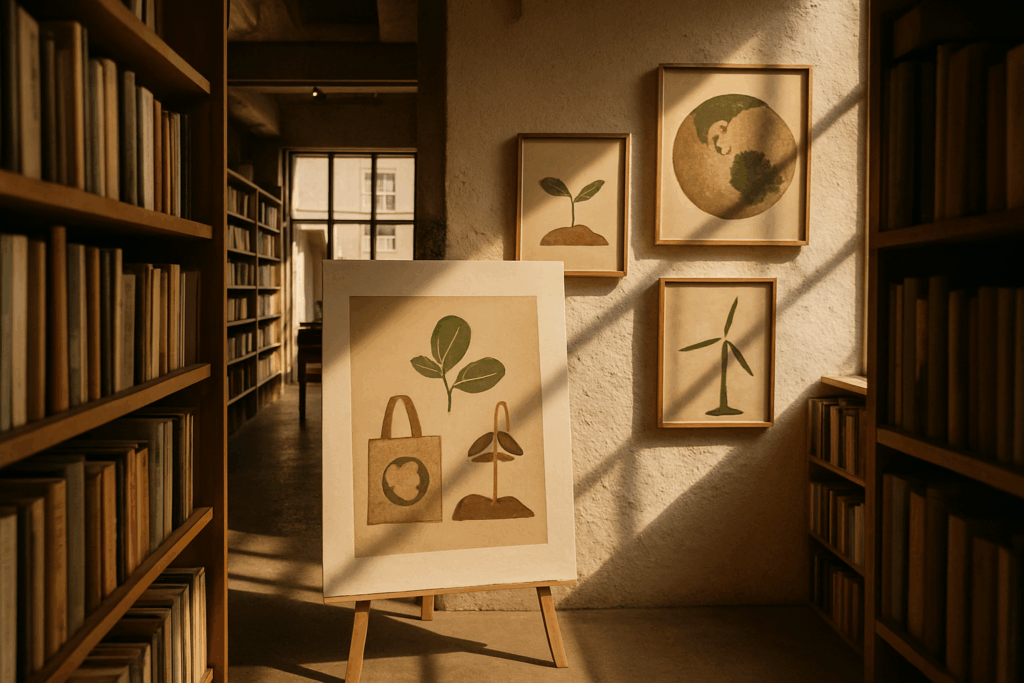
Why Art Spaces Can’t Ignore the Climate Crisis
Art galleries around the world are feeling the mounting pressure of climate change not just as civic institutions, but as physical spaces increasingly vulnerable to environmental shifts. From protecting valuable works to reassessing their public role, climate risk is pushing change across every level of operation.
The Physical Threat: Extreme Weather Events
Climate generated disasters are escalating, and art institutions are not immune.
Floods threaten storage archives and lower level gallery spaces.
Heatwaves challenge standard HVAC systems, risking long term damage to temperature sensitive pieces.
Hurricanes raise concerns around stormproofing older or historic buildings.
These extreme weather incidents now occur with such frequency that preparation is no longer optional it’s essential to preservation.
Vulnerable Mediums, Fragile Futures
Certain materials are especially susceptible to climate related damage:
Canvas, paper, and textiles can warp, mold, or deteriorate with fluctuations in humidity.
Mixed media installations often require specialized, climate sensitive display setups.
Preservation no longer means just controlling temperature it means assessing structural resilience and investing in adaptive infrastructure.
Cultural Responsibility Under the Spotlight
Beyond logistics, there’s growing public demand for ethical action. Galleries are being called to not just respond to environmental issues, but to lead:
Cultural institutions are seen as educational and moral cornerstones spectators expect them to model sustainability.
Climate conscious younger audiences prioritize organizations that align with their values.
Institutional transparency is under scrutiny announcements about carbon goals or green initiatives can impact public trust.
In short, remaining passive is no longer viable. Art spaces must reflect, rethink, and respond.
Shifting Policies Around Art Preservation
Art galleries aren’t just fighting dust and humidity anymore they’re contending with a warming planet. Climate systems inside galleries are getting smarter and more sustainable. Instead of cranking up energy hungry air conditioning all year long, institutions are now tuning HVAC systems to match seasonal patterns, tweaking humidity levels more gradually, and integrating real time sensors to track energy usage. It’s subtle, but the impact on carbon footprints is significant.
Shipping and packaging haven’t escaped scrutiny either. Foam peanuts and layers of plastic wrap? Out. Curators are adopting standards that favor biodegradable packing materials, reusable crates, and consolidated shipping to cut down on emissions. These decisions might not catch the public eye, but they ripple through the business from fewer damaged works to better insurance rates.
And when it comes to planning collections for the long haul, climate risk has become a permanent agenda item. Galleries are now assessing whether a work can withstand forecasted environmental shifts. Coastal location? Fragile medium? These factors now play into consideration, right alongside provenance and historical value. What was once bonus foresight is baseline protocol.
Impact on Exhibition Planning and Curation
Art galleries aren’t just grappling with climate change they’re curating around it. One of the most immediate shifts is geographic. More galleries are exhibiting local and regional artists, not just as a nod to community but as a way to cut the emissions from transcontinental shipping. Crates flying across oceans now come with extra scrutiny instead, curators are looking closer to home.
But it’s not just about who’s being shown. It’s about what gets put on the walls. Environmental themes are taking up more space in exhibition cycles, with artists using storytelling to spark climate awareness. This goes beyond a single recycled materials show. Think programs that unpack ecological loss over time, or installations that ask visitors to confront their own footprint.
Then there’s the use of space itself. Outdoor installations long an engaging format are becoming politically charged and logistically complex. Climate conscious cities are embracing these open air pieces as both public statements and carbon sensitive alternatives to high energy indoor exhibits. The challenge is designing work that holds up under harsh weather while driving conversation. It’s not easy. But it’s gaining traction.
Greener Operations and Design
Art galleries aren’t just curating change they’re building it. New construction and renovation projects are trading traditional materials for sustainable alternatives: reclaimed wood, low emission paints, bamboo flooring, and recycled steel are becoming industry standard. Design now factors in not just aesthetics, but carbon impact.
Digital only exhibits are also stepping in as a practical solution. They cut down on electricity, shipping, insurance, and material usage. More galleries are carving out space for virtual shows, or piggybacking on existing platforms to host pop up exhibits entirely online. The environmental upside is clear and so is the widened audience reach.
Even the small stuff is getting an upgrade. Vendors supplying frames, lighting rigs, and printed show materials are under new scrutiny. Green certified partners are being prioritized for their transparency and low impact production practices. What used to be seen as fringe or optional is fast becoming policy.
For a closer look at how tech factors into this evolution, see How Art Galleries Are Adapting to the Digital Era.
Collaborations Driving Change
In 2024, art institutions are no longer siloed in their climate efforts. Museums and galleries are banding together to form cross institutional climate action plans shared frameworks that go beyond symbolic gestures. These plans often span continents, aligning policies for waste reduction, exhibit design, material sourcing, and long term energy goals. It’s less about greenwashing, more about accountability.
Partnerships with climate focused NGOs are also on the rise. These collaborations offer more than just moral support they provide funding channels, shared research, and public outreach. Campaigns co designed with climate organizations are becoming mainstays in larger exhibitions, bringing depth and legitimacy to environmental messaging within the art space.
And there’s a structural shift happening inside these institutions: curatorial roles now exist specifically to handle sustainability. These aren’t temporary appointments or token hires. They’re positioned to influence acquisition strategies, event planning, and even the sustainability rating of an exhibit. The curators of the future aren’t just tastemakers they’re climate strategists, too.
Where This Is Headed in 2026 and Beyond
The future of gallery operations won’t be optional it’ll be audited. As carbon legislation tightens around larger institutions, mandatory carbon audits are moving from theory to policy. Museums and galleries with international footprints are already under pressure to track, disclose, and eventually reduce emissions tied to their collections, buildings, and visitor activity. If your space has climate control running 24/7 and global shipping on the books, you’re on the radar.
At the same time, global cultural organizations and coalitions are stepping up. They’re laying down sustainability benchmarks specifically for the art world for materials, energy use, waste, and logistics. The idea: define what climate responsibility looks like in practice, so progress isn’t just marketing fluff. Shared standards are the groundwork for a more accountable sector.
And then there’s the public. Visitors are watching. The expectation now is that cultural spaces align with cultural values including environmental stewardship. People are more likely to support institutions that walk the talk. Whether it’s installing solar panels, cutting back jet fuel, or simply being transparent about efforts, visible action matters. Not acting is no longer neutral. It’s a statement and not the one you want to make.

 Bernardon Holmanate has opinions about art techniques and methods. Informed ones, backed by real experience — but opinions nonetheless, and they doesn't try to disguise them as neutral observation. They thinks a lot of what gets written about Art Techniques and Methods, Trends in Contemporary Art, Exhibition Announcements and Reviews is either too cautious to be useful or too confident to be credible, and they's work tends to sit deliberately in the space between those two failure modes.
Reading Bernardon's pieces, you get the sense of someone who has thought about this stuff seriously and arrived at actual conclusions — not just collected a range of perspectives and declined to pick one. That can be uncomfortable when they lands on something you disagree with. It's also why the writing is worth engaging with. Bernardon isn't interested in telling people what they want to hear. They is interested in telling them what they actually thinks, with enough reasoning behind it that you can push back if you want to. That kind of intellectual honesty is rarer than it should be.
What Bernardon is best at is the moment when a familiar topic reveals something unexpected — when the conventional wisdom turns out to be slightly off, or when a small shift in framing changes everything. They finds those moments consistently, which is why they's work tends to generate real discussion rather than just passive agreement.
Bernardon Holmanate has opinions about art techniques and methods. Informed ones, backed by real experience — but opinions nonetheless, and they doesn't try to disguise them as neutral observation. They thinks a lot of what gets written about Art Techniques and Methods, Trends in Contemporary Art, Exhibition Announcements and Reviews is either too cautious to be useful or too confident to be credible, and they's work tends to sit deliberately in the space between those two failure modes.
Reading Bernardon's pieces, you get the sense of someone who has thought about this stuff seriously and arrived at actual conclusions — not just collected a range of perspectives and declined to pick one. That can be uncomfortable when they lands on something you disagree with. It's also why the writing is worth engaging with. Bernardon isn't interested in telling people what they want to hear. They is interested in telling them what they actually thinks, with enough reasoning behind it that you can push back if you want to. That kind of intellectual honesty is rarer than it should be.
What Bernardon is best at is the moment when a familiar topic reveals something unexpected — when the conventional wisdom turns out to be slightly off, or when a small shift in framing changes everything. They finds those moments consistently, which is why they's work tends to generate real discussion rather than just passive agreement.